Those Shifty Eyes: What Your Dog's Side Eye Is Really Trying to Tell You
That sideways glance isn't just Instagram fodder — it's one of the clearest windows into what your dog is actually feeling.
The Look Every Dog Owner Knows
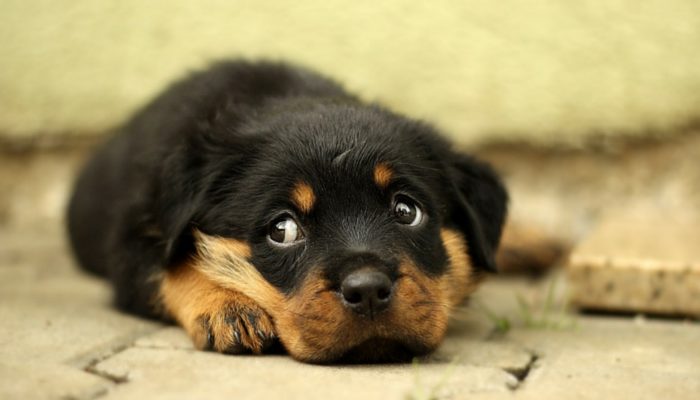
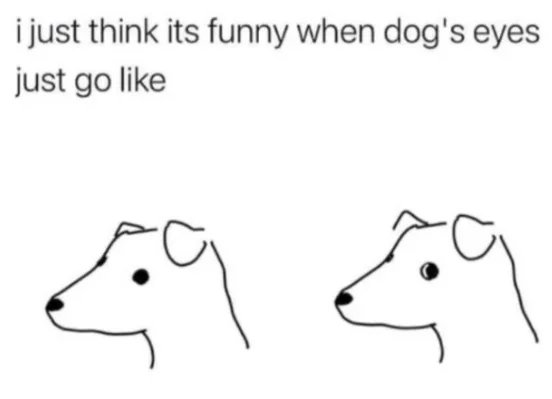
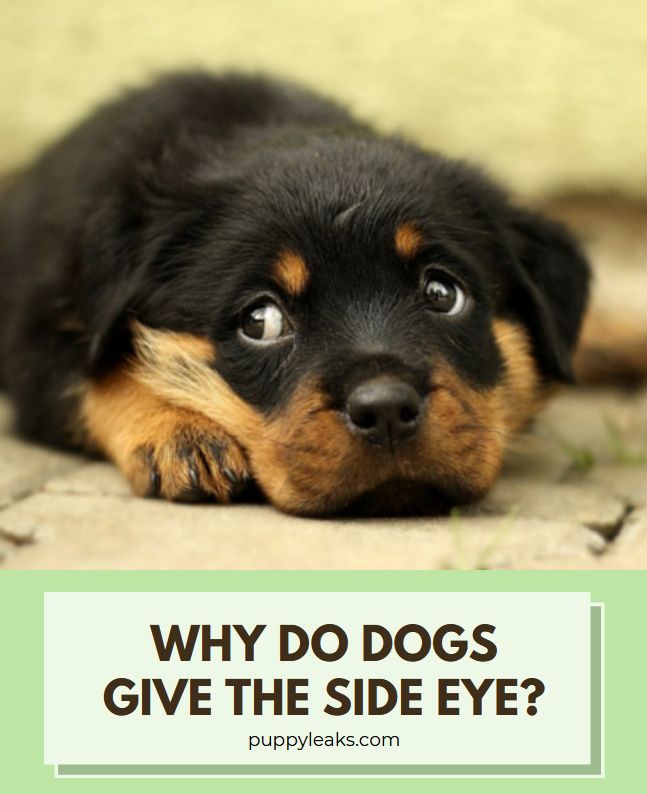
A dog parks its head on the couch cushion, locks its gaze on something across the room, and you catch the unmistakable flash of white sclera around a dark pupil. It's side eye — and it has launched thousands of memes.
But beneath the comedy sits a real communicative act. Dogs hold their heads still and shift only their eyes to track a stimulus they find noteworthy. The result looks skeptical or judgmental to a human eye, partly because we're primed to read meaning into that particular facial configuration. The question isn't whether it's funny. The question is whether it's benign — and the answer depends entirely on what else the dog's body is doing at that exact moment.
Guarding What's His
Resource guarding is the second most frequent context for sustained side eye in companion dogs. A dog that has settled with a bully stick or claimed the armchair may rotate its eyes toward a nearby person without lifting its head — a low-cost monitoring strategy that keeps the valued item in peripheral vision while signaling awareness of the approaching hand.
Animal behaviorist Jean Donaldson's case studies document that the intensity of the guarding response scales with the perceived value of the item: a half-chewed rawhide draws a glance, a fresh knuckle bone draws a hard stare with visible sclera and a closed mouth. The American Kennel Club identifies food, toys, bones, and preferred resting spots as the four most commonly guarded resources in household dogs. Early counter-conditioning — pairing the approach of a hand with the arrival of something even better — remains the evidence-supported intervention.
The Harmless Glance: Curiosity and Low-Grade Annoyance
Not every side eye warrants concern. A dog that is recumbent, loose-limbed, and gently tail-wagging while casting its eyes sideways is more likely investigating a novel sound — the scratch of a squirrel on a window screen, the hum of a dishwasher mid-cycle — than communicating distress. The body stays soft because there is no threat to manage; the dog simply finds it easier to track the stimulus without repositioning its head.
Mild irritation produces a recognizable variant: a dog interrupted during a nap may offer a single slow eye-shift toward the offender, then close its eyes again. In play, the look can read as theatrical — a Border Collie eyeing a tug toy from a down-stay, for example, will sometimes pair the glance with a deliberate play bow. Context is everything, and the tail, ears, and muscle tone are the interpretive keys.
What To Do When You See It
Step one is freeze and assess posture. A wagging tail with a loose, wiggly frame signals playful curiosity; no intervention required. A stiff torso, closed mouth, and pinned ears combined with visible sclera mean the dog wants distance — grant it immediately by stepping back, ending the handling, or redirecting the other animal away.
Punishing the look itself is counterproductive. A dog that learns its stress signals result in a scold will stop giving warnings and move straight to the bite. If the side eye appears frequently — more than once or twice during routine activities — or pairs with hiding, loss of appetite, or aggression, schedule an appointment with a veterinarian or a Certified Applied Animal Behaviorist to screen for pain, neurological changes, or generalized anxiety. Treating the underlying cause resolves the communication; suppressing the communication does not.
Compiled from published reference material: www.puppyleaks.com