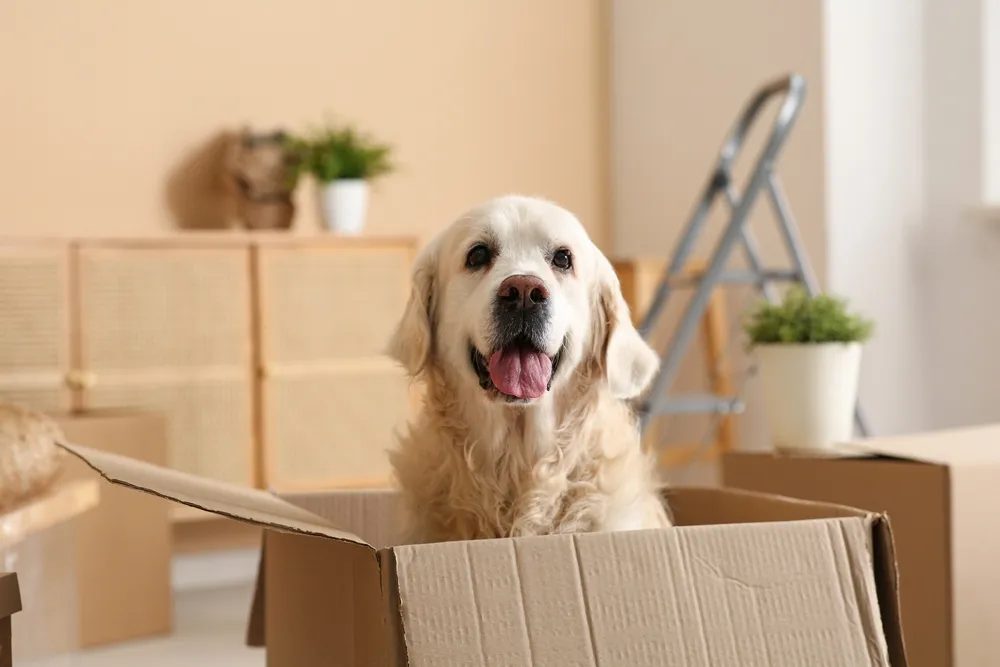
Why At-Home Dog Training Fails Without a Structure Built for Your Dog
Professional training services turn household chaos into calm by matching technique to temperament, age, and the specific routines of your home.
Lessons Delivered in Stages, Not Overnight
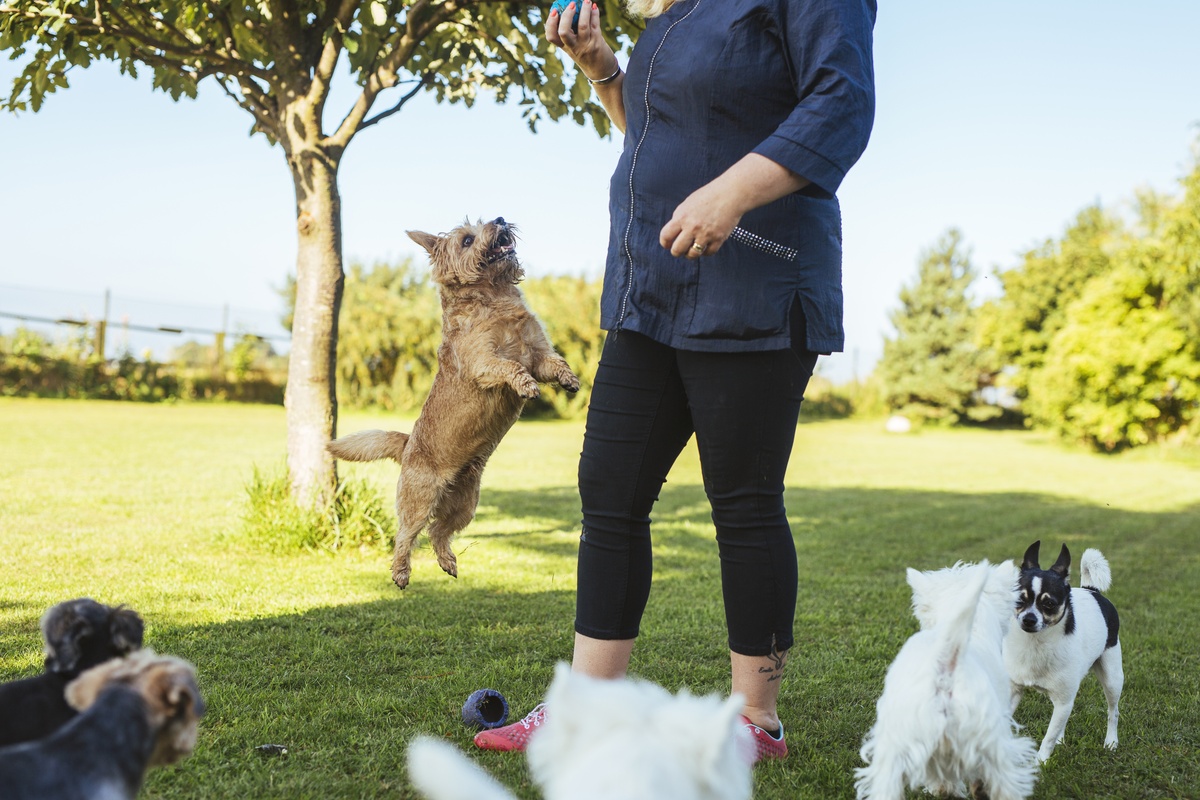
Behavior change in dogs is gradual, and professional programs treat it that way. Lessons are delivered in stages, letting new behaviors form naturally rather than being forced. A dog that pulls on the leash is not expected to walk calmly after one session; the trainer breaks the skill into steps — attending to the handler first, then responding to a verbal cue, then holding that response through mild distraction. Each stage builds on the last. Over time, unwanted habits are replaced with positive routines: calmer walking, better response to cues, and the self-control to ignore a dropped sandwich until released. Owners are taught how to reinforce new behavior with clear instructions and consistent feedback in everyday situations. The staged approach matters at home because the dog is learning a new pattern, not just a trick. Pattern learning requires repetition in the exact spaces where the dog lives — the hallway, the kitchen, the backyard — which is why professional services tailor exercises to your living space rather than asking the dog to perform only in a classroom.
Reading the Dog, Not Just Commanding It
Effective communication runs both ways, and professional programs spend as much time on the owner as on the dog. Trainers teach owners to read body language — a stiffened tail, an averted gaze, a lip lick — and to understand how tone cues influence response. A command delivered in a flat, irritated tone is a different signal to a dog than the same word spoken with calm expectation, and many behavior problems trace back to inconsistent signaling. Programs also coach owners on the most productive ways to redirect unwanted actions, turning a lunging reaction away from the trigger rather than punishing it. This two-way understanding makes pets respond more predictably and confidently because they no longer have to guess what is being asked. The clarity reduces daily friction: no more shouting matches over the slipper, no more confusion about whether the couch is off-limits at noon and acceptable at night. It is a shift from commanding to communicating, and the bond that forms is built on the dog knowing exactly what to expect from you, which breeds a calm, reliable companion.
When the Problem Runs Deeper
Aggression, fear, and separation anxiety do not respond to online tips or casual correction; they require someone who can identify root causes. A dog that snaps at houseguests may be protecting a resource, guarding a room, or reacting from a trauma that predates your ownership. Instructors with experience in behavioral cases work in the living space itself, observing the triggers as they occur and introducing strategies tailored to that environment. Follow-up support is a standard part of these services — a session is not the end of the relationship but a checkpoint in a longer plan. Progress is monitored, approaches are adapted, and the owner is shown what to do when the behavior recurs at 2 a.m. or when the doorbell rings mid-dinner. This is where experience and knowledge make the difference: a qualified instructor can distinguish between a fear-based reaction and a dominance display, and the two require opposite responses. Getting that distinction wrong at home can inflame the very behavior you are trying to extinguish.
Old Dogs, New Household Rules
Early learning sets the tone for a lifetime, but older animals can still adopt new routines. The methods that teach a puppy to wait at the door work, with adjusted pacing, on a seven-year-old rescue who has spent years practicing the wrong habit. The specific household habits that make life easier — staying off furniture, greeting guests calmly, waiting at the threshold — are reachable through the same staged reinforcement approach, just with more patience and more repetition. The evidence is in the daily routine: the dog that once launched at the mail carrier now sits at the front door until released, and the dog that raided the trash can now goes to its mat when the kitchen gets busy. These small changes compound into a better quality of life for the dog as much as for the household, because a calm companion is a more confident one. What professional services offer is not a magical fix but a consistent structure that any dog can learn against, regardless of age.
Compiled from published reference material: www.petsitusa.com