The Ritual of the Beloved Object: What Winnie and Mia Reveal About Deep Pet Bonds
From a Labrador's plush 'baby' to a cat's chosen human, the rituals pets build around attachment reveal a lot about their instincts and needs.
A Labrador's Nightly Charge
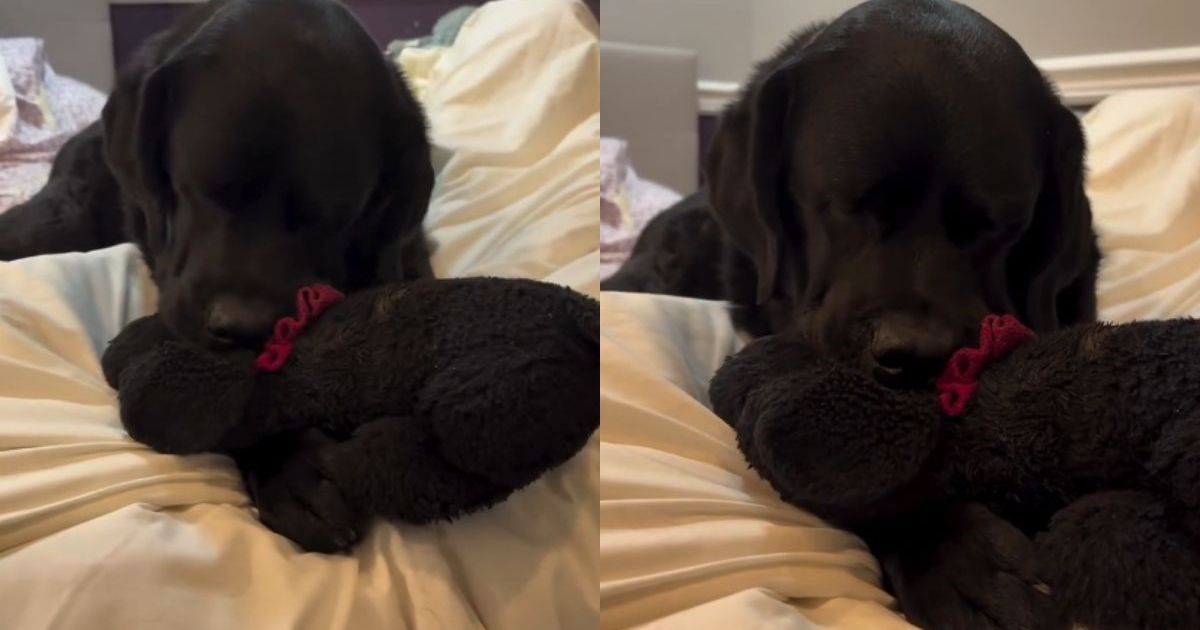
Every night, in the home of @winnietheelabrador, a final check happens before sleep. The black Labrador, Winnie, climbs onto the bed, her soft toy 'baby' held securely in her mouth. Her eyes grow heavy, but she does not release the toy. Instead, she adjusts it to a precise spot, resting her chin across it as if ensuring its comfort. A single glance at her owner's camera confirms the routine is on schedule, and she finally drifts off, still cradling her charge. This is not an occasional whim; the account notes that not a single night passes without the 'baby' beside her. Another popular video from the same account shows the habit extends to dinnertime. After finishing her own meal, Winnie carefully picks up the toy and carries it to her food bowl, as if making sure her 'baby' gets dinner too. The behavior is a clear, self-imposed ritual that anchors her sense of security and family structure.
The Instinct Behind the Object
Winnie's behavior is a classic example of object attachment, a phenomenon common in domestic dogs. While many dogs have a favorite toy, Winnie has elevated this one to the status of 'family,' a decision from which she does not waver. This is particularly fitting for a Labrador Retriever. The breed is well-known for its 'soft mouth' — the ability to carry delicate items, like game birds or eggs, without causing damage. This genetic inclination towards gentle carrying makes the nightly ritual of transporting her toy to bed and to her bowl a natural expression of her breeding. The object itself, though tiny, becomes a focus for her nurturing instincts, a way to practice caregiving behaviors that are hardwired into her breed's temperament. The toy provides comfort not because it is a toy, but because it is her object, imbued with a routine that brings her peace and a sense of order in her environment.
A Dog's Nightly Ritual
Each night, Winnie the Labrador performs a ritual that reflects a deep, unshakable bond. To her, the toy is not an accessory but a family member—her 'baby.' She has made this decision irrevocably, and nothing can change it. With the gentle mouth that Labradors are known for, she carries the toy to bed, positions it carefully, and rests her chin over it as if tucking it in. When she notices her owner filming, she gives a satisfied glance and then surrenders to sleep, still holding her precious child. The caption reveals that this happens without exception every single night.
From Nightly Routines to Lifelong Habits
Dogs often form strong attachments to certain objects, such as a blanket or a well-loved stuffed toy. These attachments become part of their nightly rituals, helping them feel relaxed and secure. For example, some dogs need a specific toy to settle down at night, and the routine itself provides comfort. Recognizing these habits is important for owners because they are healthy coping mechanisms that support an animal's emotional stability. Allowing these harmless behaviors to continue is often all that is needed, as they are signals that the dog feels secure in its environment.
Reading the Signals of Security
The behaviors exhibited by Winnie and Mia offer a window into a pet's comfort level. When a dog carries a prized toy to a food bowl, or a cat chooses to vigilantly stay by a baby's side, they are communicating a sense of safety. However, changes in these routines can be an early health signal. A sudden loss of interest in a 'baby' toy, or an unwillingness to engage in a nightly ritual, can be one of the first signs that a dog or cat is feeling unwell or stressed. If Winnie were to abandon her toy at dinner time, an owner might note a shift in appetite or energy. If Mia were to suddenly avoid the baby, it could indicate she is feeling overwhelmed or unwell. While each pet is an individual, the absence of a strongly established, positive habit is worth paying attention to. A consistent routine is a baseline for normal behavior, and a deviation from it is the most reliable indicator that something may need a closer look.
The Owner's Practical Playbook
For owners who want to foster this kind of deep bond, the observed behaviors provide a clear, actionable framework. First, respect the object: if your dog chooses a specific toy to carry, do not take it away for 'saving.' It is their security object. Incorporating it into their meal or sleep routine, as Winnie’s owner does, validates their instinct. Second, facilitate the meeting: for introducing new family members, whether human or animal, the slow and supervised approach seen in Mia’s first meeting is key. Let the pet set the pace of interaction. Third, document the bond: the videos of Winnie and Mia were shared by their owners, creating a record of the attachment. This documentation helps owners notice changes in behavior over time, from activity levels to appetite. Finally, diagnose before you act: if a cherished ritual becomes a problem—such as resource guarding—seek professional behavioral help to modify the behavior, rather than punishing the instinct. The goal is to maintain the security the ritual provides while adjusting its parameters.
Compiled from published reference material: dogtime.com