Tame the Fur: Tools, Routines, and a Foster Named Freedom
After a decade with a shedding golden, one owner shares the practices that help — and a foster named Freedom who's waiting for a forever family.
The Double Coat Tells You When to Expect the Mess
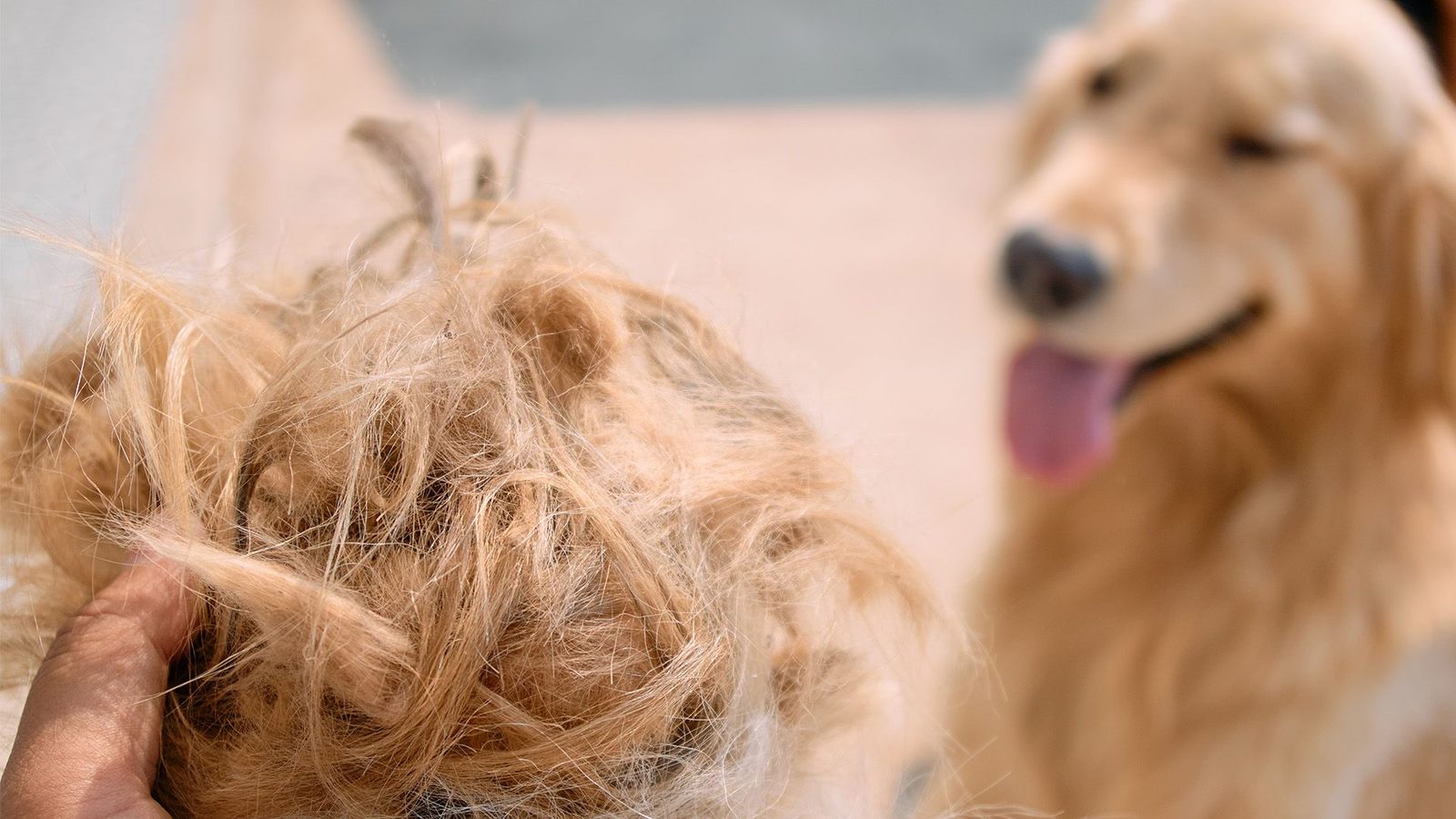
A golden retriever's thick, water-resistant double coat turns over twice a year. The spring shed can start as early as March, sometimes April or May; the autumn shed starts around September or October. The heavy drop lasts weeks, and in some dogs months. Behind that, a quip circulates among golden owners: the breed sheds twice a year, once in spring for six months and once in autumn for six months, because low-level shedding never truly stops. Abby, who has kept goldens for nearly a decade, describes the reality as constant background hair with seasonal spikes. Knowing the calendar lets an owner prepare tools before the first big blow, and it explains why the house suddenly looks like it's snowing fur.
An Undercoat Rake Works Best Outside, With a Bag Ready
In the heavy shed months, the undercoat rake is the first tool Abby reaches for. She uses it at least weekly, and the one non-negotiable is doing it outdoors—the volume of hair that lifts out, she says, is unfathomable. The rake's steel pins slip under the topcoat and hook the dead undercoat that would otherwise drift onto floors and furniture. One pass down the back can produce a clump the size of a fist. The yard or driveway is the right venue, with a bin or bag close by. A rake is different from a slicker brush: it targets the dense undercoat rather than the longer guard hairs. Starting with the rake weekly opens up the undercoat, so the next grooming step doesn't have to fight it.
Daily Slicker Brush Time Beats Marathon Sessions
The slicker brush is the workhorse of daily shedding management. Once the undercoat rake has loosened the dense winter undercoat, the slicker brush's fine wire bristles reach into the topcoat and the surface undercoat to lift out dead hair before it settles on furniture and clothing. The routine during heavy shedding—which can last from a few weeks to a few months in spring and autumn—is to give the dog a once-over every day, keeping it brief. 'Little and often' is the guiding principle: a few minutes each day beats a marathon session that both you and the dog dread. Most golden retrievers enjoy the attention, so it becomes a bonding experience rather than a chore. For best results, brush in the direction of hair growth with slow, deliberate strokes; several gentle passes will extract more loose fur than one aggressive sweep. Daily brushing also gives you a chance to catch mats behind the ears and under the legs before they become painful. By staying on top of it, you intercept the shed hair while it is still in the coat, which means less hair ends up on your sofa, your clothes, and your floors.
A Cool Blow-Dry After a Bath Loosens More Hair
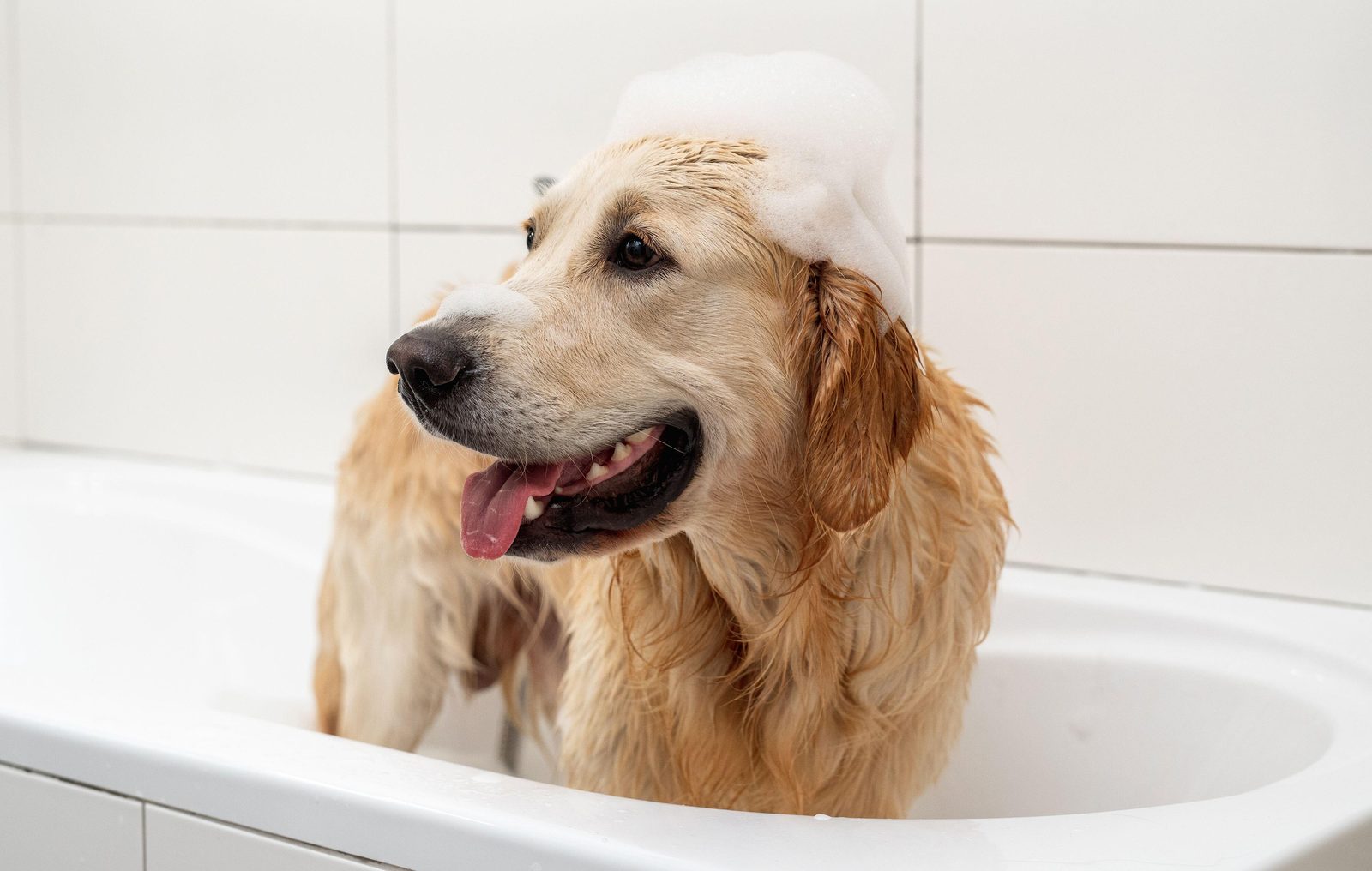
A golden doesn't need frequent baths—Abby says in her experience they shouldn't be bathed often—but one timed for the heavy shed loosens dead hair. The trick is the drying: Abby sets a hairdryer to cool and aims it in the direction she plans to brush. The airflow lifts and pushes out loose undercoat before the brush ever touches the coat. Keeping the temperature low protects the skin and keeps the dog comfortable. Working in sections—back, sides, tail—with the dryer and brush together turns bath day into a major de-shedding event. It's messier than brushing alone, so a washable surface or an outdoor spot helps. For a double-coated dog, this combination is one of the most efficient ways to pull a whole season's worth of hair out at once.
Three Vacuum Levels: Heavy-Duty, Cordless, and Autonomous
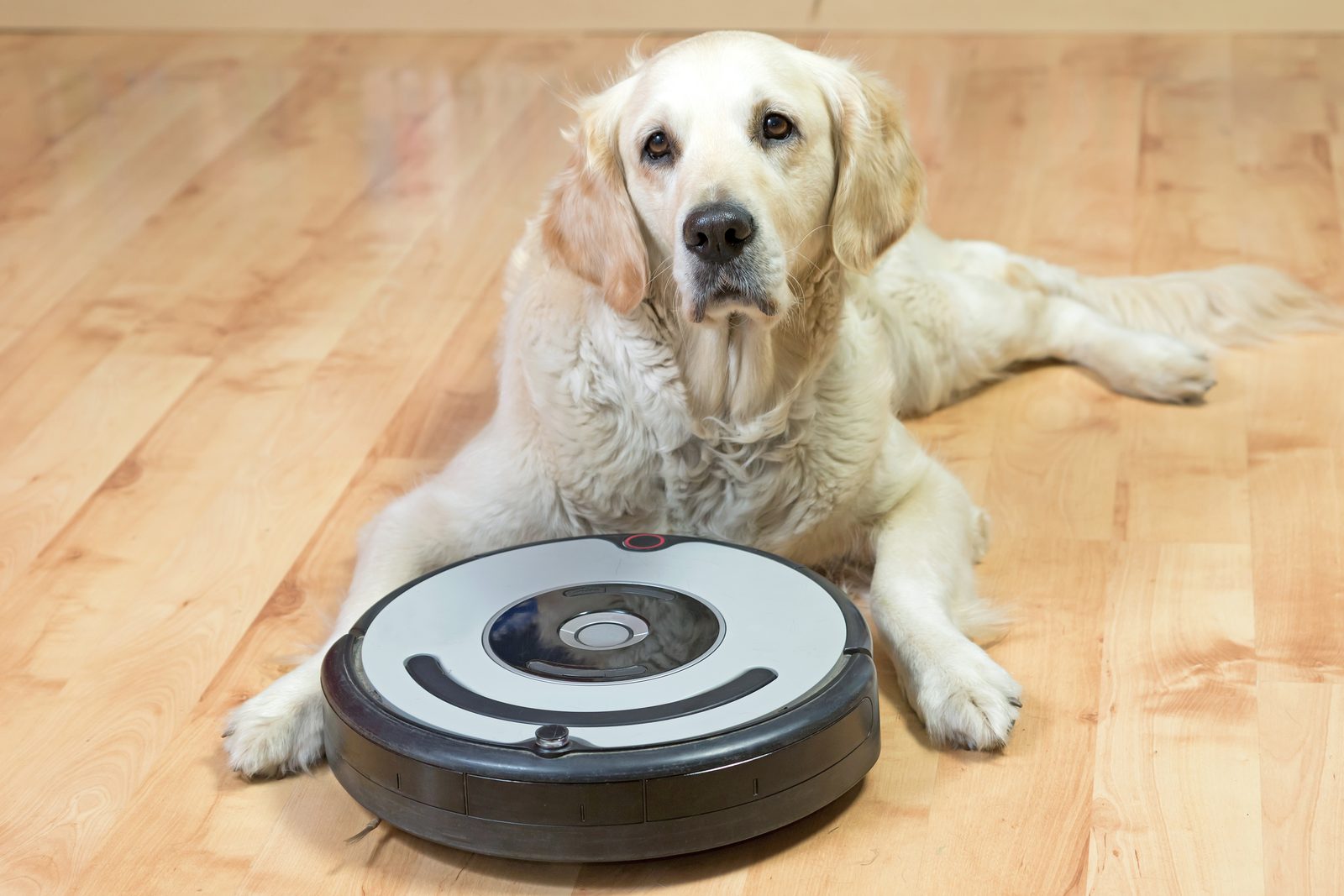
Brushing and baths cut the load, but a shedding golden still covers the house. Abby runs a three-tier vacuum setup. The weekly deep clean uses a robust, heavy-duty vacuum designed for pet hair, one strong enough to pull stubborn hairs out of carpet fibres. A lightweight cordless vacuum covers quick daily swipes over hard floors. The final layer is a robot vacuum—Abby's parents bought one for their golden Indy, Lowen's sister, and schedule it while the dog is out on a walk. They return to floors that stay clean for a few minutes. The robot doesn't replace a deep vacuum, but it shrinks the fur tumbleweeds between cleanings. For anyone with a double-coated dog, owning all three means the hair never gets a chance to accumulate.
Leather, Washable Covers, and a Rotation of Throws
Upholstery either repels or traps golden hair. Abby's current sofa is fabric, but she's fitted it with machine-washable covers so the whole thing can be stripped and cleaned. Her next sofa, when she upgrades, will be leather, which she calls the more practical choice for a dog that sheds: hair doesn't sink into it and wipes off in a single pass. During the heavy autumn and spring sheds, she rotates a set of sofa throws—one goes into the wash while another comes out, so the couch is never uncovered. Pet-hair-resistant blankets, sold as such, cut down on the fur that clings. The principle applies beyond sofas: choose tightly woven or wipeable fabrics whenever possible, and keep washable layers between the dog and the furniture.
Lint Rollers and a Rubber-Style Roller Save Clothes Before You Walk Out
A cuddly golden means hair on shirts, pants, and any chair you sit on. Abby keeps lint rollers stashed around the house and uses them to pull hair off clothing and soft furnishings. The Chom Chom roller—a reusable, brush-based tool with a carrying handle—comes recommended by Abby as the next thing she wants to try. A pet hair remover glove is another option: worn on the hand and stroked over fabric or the dog, it gathers hair into balls for easy disposal. Lint rollers are the final step after grooming and vacuuming, and they matter most right before leaving the house. Keeping one in the car and one by the door catches the strays that slip through every other method.
Accept the Hair and the Golden Becomes Easier to Live With
After nearly a decade of golden retrievers, Abby has stopped treating hair as a problem to solve. She calls the house 'blessed by goldie hair' and says the shedding is a minor inconvenience compared with the joy of the breed. The golden's lovable nature and enthusiasm for life are why she chose it in the first place. The final hack is mental: plan around the fur instead of waging war on it. Weekly raking, daily brushing, vacuuming, and washable covers reduce the mess, but they can't make it disappear. Accepting that a certain amount of hair is part of the contract makes the seasonal clean-ups feel less like defeat. The payoff—a happy, affectionate companion—is the one thing no vacuum can take away.
A Foster Golden Named Freedom Needs One More Thing: A Forever Family
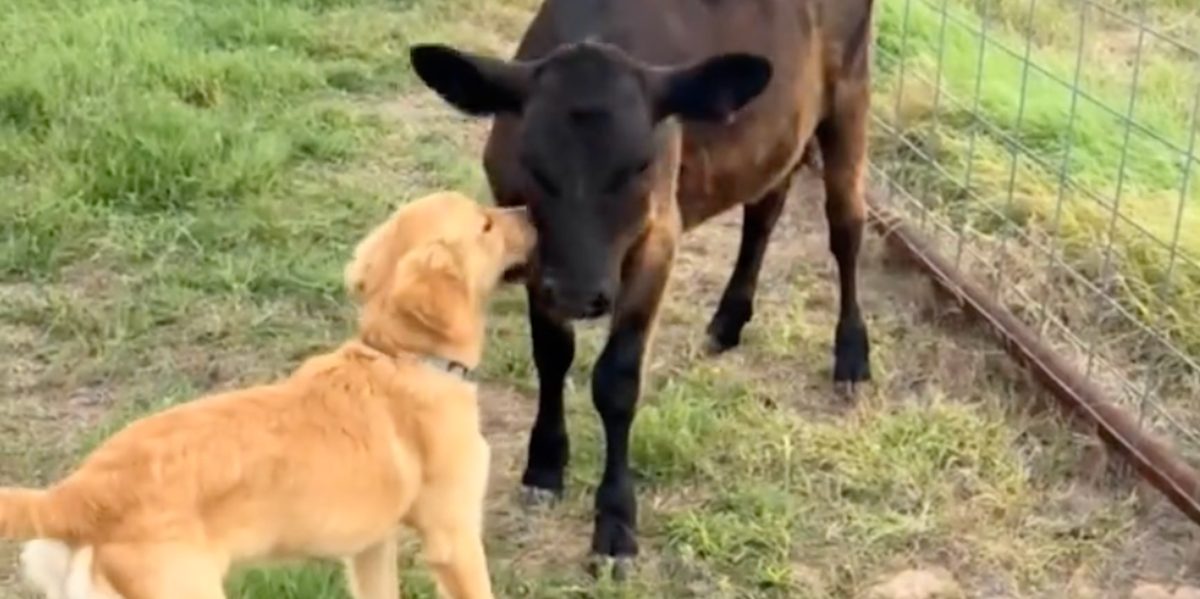
Hair management isn't the whole job. A rescued golden retriever named Freedom is in a foster home, where his foster parent documented his days on Instagram. The video shows him playing with toys, enjoying a spacious yard, and spending time with another dog—he's already mastered looking ridiculously handsome, surrounding himself with toys, and making himself right at home. The post makes plain that the one missing piece is a permanent family. Freedom is available for adoption, and his foster parent hopes the right people will step forward to give him the warmth and affection a rescue dog deserves. Until then, he stays in foster care, keeping watch over his entire toy collection. For someone ready for the shedding and everything else, Freedom is proof that the breed's neediest members still bring the same golden spirit.
Compiled from published reference material: www.petsradar.com