7 Moves That Keep Pets Calm and Safe During Relocation
Crate training before the move, a dedicated pet bag, secure vehicle transport, consistent feeding and bathroom breaks, a safe room, stress-signal recognition, and daily routines—these seven steps address the pressure points that make relocation hard on animals.
Start Crate Training Weeks Before Moving Day
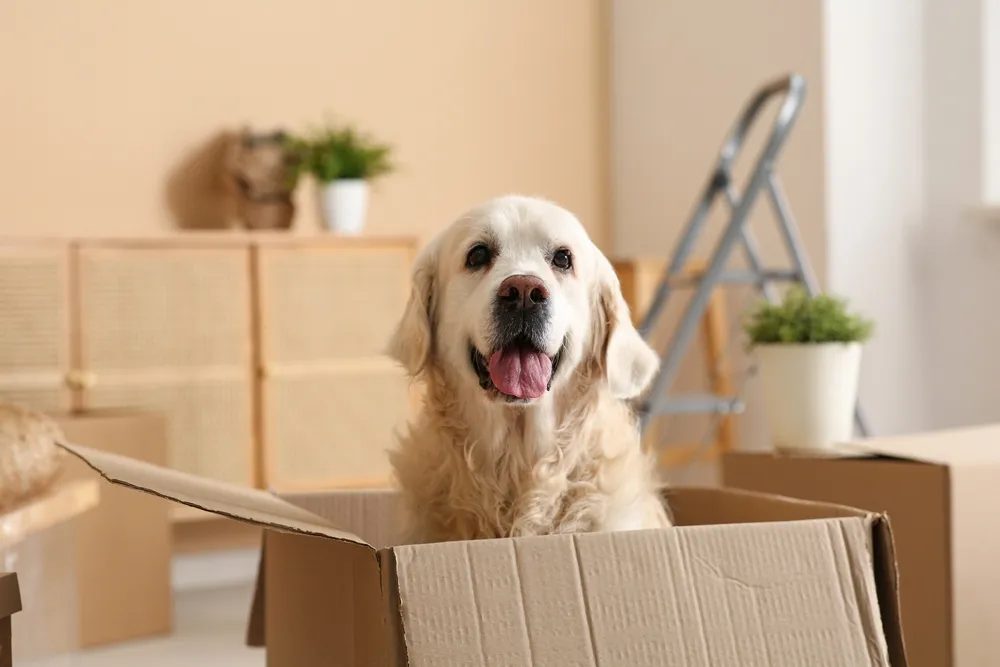
Pets pick up on environmental changes long before the moving van arrives. Introduce the travel crate or carrier early—leave it open in a common area for several days so the animal can sniff, inspect, and nap inside without pressure. This builds a positive association rather than treating the crate as a moving-day surprise. Once the crate feels familiar, take the pet on short test drives around the block, gradually extending the time. The American Kennel Club suggests this incremental exposure helps dogs see the car as routine, not a prelude to the vet or a stressful trip. Keep feeding and exercise schedules unchanged during this period, and maintain a designated quiet space where the pet can retreat from the chaos of packing boxes. The goal is to make the crate and vehicle feel like normal, safe zones before the actual move begins.
Pack a Dedicated Pet Supply Bag for Moving Day
Moving day is chaotic, and the last thing you want is to dig through a packed box for your cat's medication or your dog's leash. Assemble a separate, easily accessible bag with everything the pet will need during the journey and the first hours in the new home. This includes the travel carrier, a leash, a supply of food and water, any medications, and a couple of favorite toys. Sprinkle familiar items like a well-worn blanket or a chew toy through the bag to provide comfort. Before loading the car, update the pet's collar with your current phone number and confirm the microchip registration is active—if a frightened animal bolts out the door at a rest stop or during the move, a readable tag is the quickest way to get them back. Keep this bag within arm's reach of the front seat, not buried under furniture.
Secure Pets Inside the Vehicle During Transport
No pet should ride loose in the car. A sudden stop, a shifting box, or an open door can turn a curious animal into an unsafe situation. The Humane Society of the United States recommends securing pets in a carrier or with a crash-tested harness rather than allowing them to roam the cabin. This protects both the pet and the driver. For long drives, place the carrier on the back seat with a window shade to block harsh sunlight and keep the temperature stable. Drape a familiar blanket over the carrier to reduce visual stimulation and muffle loud road noises. For cats, a covered carrier can be particularly calming because it mimics a hideaway. Set the carrier on a stable, non-slip surface, and avoid placing it in the cargo area, which can get dangerously hot or cold and lacks airflow.
Keep a Feeding and Bathroom Schedule on Long Drives
A cross-country move can throw off an animal's internal clock, so stick to the same feeding and bathroom times you used at home. Plan rest stops at regular intervals on long drives. For dogs, periodic walks let them stretch their legs and burn off pent-up energy, which reduces restlessness in the car. Cats, on the other hand, usually prefer to stay inside a covered carrier during stops—opening the door in a busy rest area risks escape. If a cat needs a break, bring a portable litter box into the car and give them a few quiet minutes inside the vehicle. On multi-day trips, book pet-friendly hotels in advance to ensure safe rest between legs of the journey. Consistency in timing and a safe place to rest each night make the travel feel less like a disruption.
Set Up a Safe Room Before Letting Pets Explore
The first few days in a new home are overwhelming for most animals. Before unpacking the rest of the house, designate a quiet room—often a spare bedroom or a bathroom—where the pet can settle without being bombarded by unfamiliar scents and sounds. Place the pet's bedding, food and water bowls, and a litter box or pee pads in that room. Keep the door closed and let the animal explore this small territory at their own pace. The American Society for the Prevention of Cruelty to Animals (ASPCA) advises allowing gradual exposure to the rest of the house: open the door a crack, then a little wider each day, letting the pet venture out when they feel ready. Cats especially need secure hiding spots—a cardboard box under a bed or a covered cat bed—until they gain confidence. Rushing this process can trigger anxiety or destructive behavior.
Recognize Stress Signals in the First Week
During the first week after a move, pets often express stress through subtle shifts that owners can catch early. A normally social dog might start hiding under furniture, a chatty cat might go silent, or either might lose enthusiasm for food. Other red flags include excessive vocalization, pacing, or a sudden increase in aggression toward family members or other animals. These changes signal overwhelm, and responding promptly makes a difference. Offering extra quiet time together, using a calm and gentle voice, and keeping feeding times exactly on schedule help pets regulate their emotions. Some pets may need temporary calming aids, depending on their individual needs, but the foundation is steady reassurance. Monitoring behavior closely during these first days lets owners identify lingering discomfort before it deepens. A patient, gentle approach encourages security and helps pets feel safe in their unfamiliar surroundings, supporting their emotional health just as much as physical comfort.
Maintain Daily Routines to Ease the Transition
After the boxes are unpacked, the most steadying force for a pet is a predictable day. The mechanism is simple: animals thrive on consistency because it signals that the world is still ordered, even when the physical environment shifts. In practice, this means keeping feeding times identical to the previous home, scheduling walks at the same hours, and maintaining the same order of play sessions, meals, and rest. A dog that always went for a walk at 7 AM should still go at 7 AM; a cat that ate breakfast after the owner's coffee should continue that sequence. This framework provides familiar anchors that help reduce anxiety. The routine also accommodates the new surroundings: a dog's usual walk time becomes a guided exploration of the neighborhood, letting him learn new scents and paths. A cat's quiet afternoon nap remains in a secure hiding spot, accessible just as it was before. Bringing along familiar bedding, toys, and even food bowls helps recreate the sensory cues of the old home within the new routine. When pets feel supported by a consistent schedule, they recover faster from the disruption of moving and settle more smoothly into their new environment, building confidence day by day.
Compiled from published reference material: residenceradiance.com