Solve Your Cat's Sound Anxiety with These 12 Methods
Discover how synthetic pheromones, ultra-high-value treats, and gradual sound exposure can transform your cat's response to noise triggers.
Catalog the Exact Sounds That Trigger Fear
Begin by documenting the specific noises that provoke anxiety in your cat. Common triggers include banging doors, vacuum cleaners, blenders, doorbells, fireworks, garbage trucks, yelling, and storms. Keep a detailed log of incidents, noting the sound source and your cat's reaction—freezing, hiding, trembling, or panting are the most reliable indicators that a noise has crossed into fear territory. An inventory of this kind does more than jog your memory; it lets you rank triggers by severity and frequency. A weekly garbage truck may demand attention before a yearly fireworks display, even if the fireworks produce a more dramatic response, simply because the cat encounters the truck far more often. Once you know which sounds matter most, you can structure your desensitization plan around them—starting with the mildest trigger to build your cat's tolerance, then working up to the loudest or most unpredictable ones. Recording each session's outcome beside the original log entry also reveals patterns: some cats habituate to sustained rumbles faster than to sharp, sudden bangs, and knowing this saves weeks of misdirected effort.
Measure the Decibel Threshold for Fear Onset
Identify the precise volume at which your cat's anxiety manifests by watching for unmistakable physiological and behavioral cues: ears pinned flat against the head, pupils fully dilated, body pressed low to the ground, trembling, panting, or an abrupt bolt to a hiding spot. Freeze-and-hide responses are especially telling because they signal the cat has shifted from mild unease to active fear. To map this threshold, play a recording of a known trigger at its quietest setting and increase volume in small steps, pausing after each adjustment to observe your cat. The moment any fear sign appears, note the volume level—that boundary becomes the ceiling your training sessions must never breach. Working below it keeps exposure tolerable; crossing it risks a panic spiral that undoes progress. Because every cat's hearing is sensitive to different frequencies, a threshold discovered with a doorbell recording may not transfer to thunder, so repeat the process for each trigger on your list. Documenting these findings in a chart—trigger, volume at first fear sign, distance from speaker—gives you a concrete reference point when planning each session and removes guesswork from the process.
Establish a Multi-Level Sanctuary Space
Create designated safe zones where your cat can retreat without feeling trapped. Provide at least one elevated perch—a tall cat tree that lets your cat survey the room from above—and one enclosed hiding spot, such as a cardboard box with an entrance hole or a fabric tipi. A spot under the couch or bed also works if the cat already gravitates there. Place these refuges in quiet, low-traffic areas of the home, away from appliances like the washing machine or blender that may themselves become training triggers later. Cats often prefer different refuges depending on the nature of the noise: a high perch may feel safest during a sudden door slam, while a covered hideout offers better security during a sustained storm. Offering more than one option respects that preference and prevents the cat from feeling cornered in a single spot. Ensure each refuge is always accessible—never block exits during a training session—and leave familiar bedding or a worn T-shirt inside to add scent comfort. Over time, the cat will begin retreating to these spaces voluntarily when it senses stress, which gives you a visible signal of its internal state and helps you calibrate session intensity without relying on guesswork.
Deploy Synthetic Pheromone Diffusers Strategically
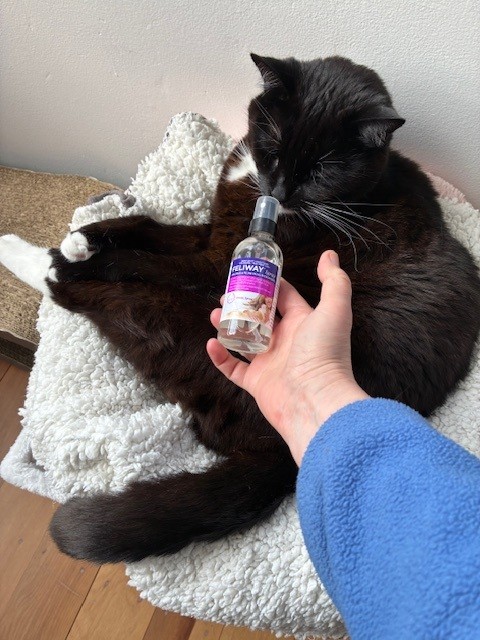
Consider using synthetic pheromone sprays and diffusers, such as Feliway, to help alleviate overall anxiety in your home. These products release a synthetic version of the facial pheromone cats deposit when they rub their cheeks against furniture or people—a scent associated with safety and familiarity. Plugging a diffuser into the room where training sessions take place creates a baseline of calm before you introduce any sound stimulus. Sprays work well for smaller, targeted areas: a quick mist inside a cardboard hideout or on bedding near the cat tree reinforces the message that these are secure retreats. Start the diffuser in advance of the first training session so the pheromone has time to saturate the air; switching it on minutes before practice offers little benefit. Pheromones do not sedate the cat or mask the fear trigger—they simply lower ambient stress so the cat is more receptive to the gradual exposure you are about to begin. Because diffuser cartridges deplete over time, check the manufacturer's replacement schedule and keep a spare on hand to avoid gaps in coverage during an active training period. Combining pheromone support with a quiet, well-prepared safe space gives your cat the best possible emotional starting point for the work ahead.
Designate Ultra-High-Value Treats for Training Sessions
Prepare a special reward that your cat only receives during desensitization exercises. Effective options include Churu lickable treats, small pieces of cooked chicken breast, or canned tuna in water—foods most cats find irresistible and will work to obtain. The key is exclusivity: if the cat can access these treats outside of training, their motivational pull drops sharply. Store the treats separately from regular food and bring them out only when a sound session begins. During practice, offer the reward while the sound is playing or just before it starts, so the cat begins to link the noise with something it genuinely wants. Brushing or a favorite play routine can substitute for food if your cat responds more eagerly to tactile or interactive rewards, though high-value food remains the most reliable motivator for most felines. Pairing a low-volume doorbell recording with a dab of Churu, or following a faint blender hum with a sliver of chicken, turns a neutral or mildly unsettling sound into a predictor of good things. Over repeated sessions the cat's emotional response shifts—from bracing for something unpleasant to anticipating the treat that consistently follows.
Introduce Sounds via Barely Audible Recordings
Source recordings of the identified fear triggers—fireworks, thunderstorms, doorbells, garbage trucks—from platforms like YouTube or dedicated pet-training playlists. You can also record household sounds such as a blender or vacuum cleaner on your phone for more tailored practice. Begin playback at the very lowest volume your speaker allows, often just above a whisper, and place the device at a comfortable distance from your cat's safe space. Keep sessions brief: start with short clips and aim for 5–10 minutes of total exposure per session, conducted once or twice daily. The goal at this stage is not to challenge the cat but to let it hear the sound without any accompanying stress response. If the cat eats treats, purrs, or grooms during playback, you are within its comfort zone; if it freezes, hides, or trembles, the volume is too high and should be reduced immediately. Record your own observations after each session—what sound was used, the volume setting, the cat's behavior, and whether treats were accepted. A running log of this kind makes it easy to spot the moment the cat is ready for a slight increase and prevents accidental jumps in intensity that set progress back.
Physically Muffle Sound Sources During Practice
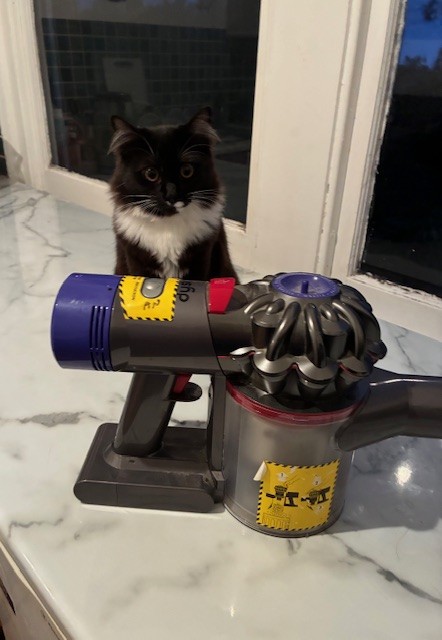
For appliances you cannot easily record, such as a vacuum cleaner or food processor, begin by using them in a muffled state. Store the device in an adjacent room with the door closed, or cover it with thick blankets or pillows to dampen the noise before you switch it on. The research recommends this approach as a practical way to lower the intensity of physical sound sources without buying specialized equipment. A vacuum cleaner running behind a closed laundry-room door, for example, produces a noticeably softer hum than one operating in the same room—enough of a difference to keep a nervous cat below its fear threshold during early sessions. After several calm exposures at this muffled level, you can remove one layer of dampening or open the door a crack, allowing slightly more sound through. Continue watching for freeze, hide, or tremble signals after every adjustment; any sign of distress means you have moved too far and should step back to the previous arrangement. Keeping detailed notes on each configuration—door open or closed, blankets on or off, distance from the cat—turns what could be a haphazard process into a structured progression that the cat can follow without being overwhelmed.
Pair Sound Exposure with Immediate Positive Reinforcement
Create a predictable sequence in which the sound precedes or overlaps with a reward. Play a low-volume recording of a doorbell, then immediately offer a piece of cooked chicken or initiate a play session with a feather wand. The research emphasizes timing: the reward must arrive while the sound is playing or just before it starts so the cat builds a clear association between the noise and the positive outcome. Brushing or verbal praise can supplement food rewards for cats that respond to those cues, though high-value treats remain the most effective motivator for shifting emotional responses. Use the same treat every time to strengthen consistency—if Churu works best, do not alternate it with less-preferred snacks during training. Over successive sessions the cat's behavior will change: rather than bracing at the first note of the doorbell, it may begin looking toward you in anticipation of the treat. That shift—from fear to expectation—is the core mechanism of counterconditioning. If the cat refuses the treat during playback, the sound is still too intense; lower the volume and try again rather than pushing forward, because a rejected reward tells you the emotional pairing has not yet taken hold.
Monitor for Distress Signals and Abort if Necessary
Watch for clear signs of fear during sessions: hiding under furniture, shaking, panting, or attempts to flee the room. These responses indicate the cat has crossed its fear threshold and the current intensity is too high. Stop the sound immediately when any of these signs appear; do not continue in hopes the cat will acclimate. Forcing a cat to remain in a panic-inducing situation constitutes flooding, which the research explicitly warns can cause lasting trauma. After stopping, allow the cat time to settle before resuming at a significantly lower intensity—reduce the volume or increase the distance from the sound source, then reassess. Return to earlier steps in the process if necessary; there is no penalty for repeating a stage the cat has already passed. Recording each abort incident—what triggered it, how the cat reacted, how long recovery took—helps you identify patterns and fine-tune future sessions. A cat that bolts every time a recording reaches a certain volume is telling you precisely where its boundary lies, and respecting that boundary builds the trust that makes continued progress possible.
Escalate Volume and Proximity in Tiny Increments
Progress only when your cat remains relaxed during sessions—signs of comfort include normal posture, a willingness to eat treats, and calm blinking or grooming. The research recommends increasing intensity over several weeks to months, and only if the cat stays calm at the current level. Raise the volume slightly or move the sound source a small distance closer, never both at the same time, so the cat has only one new variable to process. Keep a written chart of each adjustment—trigger, volume setting, distance from the speaker, and the cat's response—to track progress and catch plateaus early. If the cat shows any sign of distress at a new level, drop back to the previous setting immediately and hold there for several more sessions before attempting the increase again. Patience at this stage pays dividends: a cat that learns to tolerate a sound at low volume over many calm sessions is far less likely to regress when the volume eventually reaches real-world levels. Rushing through increments risks undoing weeks of careful work in a single overwhelmed moment.
Cap Sessions at 10 Minutes with Twice-Daily Frequency
Limit each training session to a maximum of 10 minutes and aim for 1–2 sessions per day. Brief, frequent exposures are far more effective than longer, sporadic ones because they keep the cat within its comfort zone and prevent fatigue from eroding engagement. A session that runs even a few minutes past the cat's tolerance can turn a positive experience into an aversive one, so setting a timer is a simple safeguard. The research recommends starting with 5–10 minutes and adjusting based on the individual cat's attention span; a kitten or highly anxious cat may benefit from sessions closer to five minutes, while a calmer adult may handle the full ten. End each session while the cat is still relaxed and accepting treats—stopping on a positive note reinforces the idea that training is a safe, rewarding activity rather than a test of endurance. Maintain a consistent schedule when possible, such as a morning session after breakfast and an evening session before dinner, so the cat learns to anticipate and prepare for short, manageable exposures rather than dreading an unpredictable ordeal.
Begin Desensitization Months Before Predictable Events
Start the training protocol at least a few months before anticipated high-stress periods, such as storm season or holiday fireworks displays. This lead time allows for gradual, stress-free progression through each step without the pressure of an approaching deadline. If New Year's fireworks are a known trigger, begin low-volume recordings in September or October so the cat has ample time to habituate at every intensity level before the actual event arrives. Rushing the timeline invites setbacks: a cat that has only reached moderate tolerance by the time fireworks begin may panic at the real-world intensity, undoing months of careful work. The research also warns against flooding—never force a cat to endure a full-intensity trigger in the belief that exposure alone will cure the fear. Slow, patient progression respects the cat's emotional limits and produces lasting resilience rather than temporary suppression. Between predictable events, continue occasional low-level practice sessions to maintain the cat's tolerance; long gaps allow fear responses to resurface, requiring you to restart from earlier stages. A consistent, well-timed training schedule is the single most reliable path to a calmer cat.
Compiled from published reference material: cats.com