Dog Perfumes That Won't Make Your Pup Run for the Mud Pile
Affordable dog colognes range from $6.99 to $23.99, but the cheapest option came with a sticky trade-off and the best-smelling one overwhelmed every dog who got near it.
What's the best affordable dog perfume?
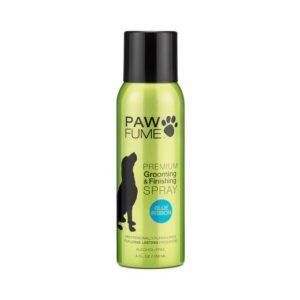
4 Paws dog perfume stands out as the best affordable option, priced at $12.94 for a 4-fluid-ounce bottle. It comes in three scents: Blue Ribbon, Show Dog, and Royal Lavender. The Show Dog scent blends amber, white lily, and musk powder. In a reviewer's testing, this product sprayed lightly with a dry feel on contact, dried quickly without any stickiness, and dogs did not shy away from the fragrance. The spray mechanism itself distributes a fine, even mist—one touch of the nozzle delivers a controlled amount rather than a soaking blast, which means a single bottle lasts longer and accidental over-application is unlikely. When applied to the coat, the formula works as a detangler and static reducer, making it practical for heavy-coated breeds during dry winter months. The moisturizing finish left fur feeling soft rather than coated. It costs far less than luxury dog perfumes that can run $60 or more, while delivering the same core functions—odor refresh, coat conditioning, and static control. To use it, hold the bottle a few inches from your dog's coat, spray onto your hands first, then work the product through areas away from the face and any spots the dog can lick.
Is there a dog cologne under $10?
Arm & Hammer for Pets Dog Cologne and Fragrance Spray is the most inexpensive option evaluated, retailing at $6.99 for a 6-fluid-ounce bottle. It comes in Rose & Sweet Apple and Vanilla Sandalwood scents. A reviewer who tested the Vanilla Sandalwood found the fragrance pleasant, light, and not at all overpowering, and the dogs present did not shy away from it. However, the product took noticeably longer to dry than competing formulas and left a slight stickiness once dry, which can trap dirt and mat fur in coated breeds. For short-haired dogs on a tight budget, this remains a practical option: spray sparingly onto your hands first, then pat onto the mid-back and shoulders, avoiding the face and any area the dog can easily lick. The stickiness is less of a concern on smooth coats where tangles are not an issue, though you will want to avoid layering it over an already dirty coat. At under $7, it costs roughly half the price of the top-rated 4 Paws perfume, trading some application refinement for a significantly lower sticker price. If residue buildup or coat texture is a concern, spending a few dollars more on a non-sticky formula may be the better choice.
What's the lightest-smelling dog cologne?
A baby-powder-scented cologne offers the lightest practical option, priced between $8.98 and $11.98 for 4-fluid-ounce and 8-fluid-ounce bottles. It produced the second-lightest fragrance among comparable products, dried quickly, and left no sticky residue. The bottle itself is the most streamlined, taking up minimal storage space. One practical note: the spritzer releases more product per press than some competing products, so a light touch is essential—pressing firmly can saturate a small area or flood your hand. The strategy is to press halfway, check the amount, and add more only if needed. Dogs did not back away from the baby powder scent, which reads as clean and unobtrusive rather than perfumey. Because the fragrance is subtle, it works well for dogs that react negatively to stronger or more complex scents like musk or fruit blends. To apply, spray a small amount onto your hands first, rub them together, then transfer to the coat on the back and sides—staying well away from the nose, eyes, and any area the dog might lick. A single light application is typically enough to keep a dog smelling fresh until the next bath.
How should I apply dog perfume safely?
The safest method is to spray the product onto your hands first, then transfer it to your dog's coat, focusing on areas farther from the nose and away from spots the dog can easily lick. Spraying onto your hands gives you precise control over how much product reaches the fur, which can mean the difference between a pleasant light scent and an accidental soaking that requires a second bath. Avoid the face entirely. Application targets should be the mid-back, shoulders, and sides of the body. After applying, observe your dog closely for signs of distress: excessive scratching, head shaking, drooling, or repeated attempts to rub the scent off on furniture or the ground. If any of these appear, bathe the dog immediately with a gentle soap. Some products release more spray per pump than others—one cologne reviewed produced a surprising amount of wetness from a single light press, so starting with half a press and gauging the output before committing to a full spray is worthwhile. Drying time also varies: some formulas dry within seconds with no residue, while others take longer and may leave a slight tackiness that can mat fur in coated breeds. For dogs that are new to scented products, applying a small amount to one area first and watching the dog's reaction over the next few minutes—rather than coating the whole body at once—gives you an early warning if the scent or sensation is unwelcome.
Could dog perfume hide a health problem?
A change in your dog's natural odor can signal a medical condition—skin infections, dental disease, or metabolic issues among them. Applying perfume or cologne near areas where odor changes are most detectable, such as the mouth, ears, rear, and skin folds, could mask a symptom you might otherwise catch early. Keeping application light and targeted to the mid-back or shoulders rather than the whole body preserves your ability to notice shifts in smell at key diagnostic areas. If your dog's scent has changed noticeably without an obvious cause like rolling in something foul, skipping perfume preserves your ability to detect and track the change. Among the products reviewed, scent strength ranged widely: some, like the baby powder cologne, are so faint they would barely cover a change, while others, like the sugar cookie cologne, are strong enough to mask nearly anything. Choosing a lighter-scented product reduces the risk of missing early warning signs. Price is not a reliable proxy for subtlety—the most expensive option tested ($23.99 for a 17-ounce bottle) was also the one that overwhelmed dogs' noses the most.
Are the ingredients in dog perfumes actually safe?
The ingredients in most dog perfumes and colognes are generally safe for canine use, but no universal regulatory standard governs these products, so reading the ingredient label before purchasing is essential. If you encounter an ingredient you cannot verify as safe for dogs, choose a different product. Some formulas go beyond basic fragrance: 4 Paws dog perfume, for example, contains conditioning agents that moisturize the coat, detangle fur, and reduce static electricity alongside providing scent. The $6.99 Arm & Hammer option and the $12.94 4 Paws product both use ingredient lists that a reviewer found acceptable, though the Arm & Hammer formula did leave a slight sticky residue after drying—a texture issue rather than a safety one, but worth noting for coated breeds where residue can trap debris. Products with a large number of scent options, like the brand offering 12 fragrances from Baby Powder to Winter Wonderland, may contain more complex fragrance compounds; simpler formulations with one or three scent choices tend to have shorter ingredient lists. A practical rule of thumb: if a product's label reads like a chemistry textbook and you cannot identify what half the ingredients are, keep shopping. The affordable end of the market does not necessarily mean a trade-off in ingredient quality—the two least expensive products reviewed both use straightforward formulations.
Compiled from published reference material: cdn.whole-dog-journal.com