A Cat, a Baby, and a Dog Who Mothers a Toy: The Bonds That Redefine Family
Two viral stories—a cat who adopted a newborn and a Labrador who refuses to sleep without her 'baby'—reveal how pets form attachments that look a lot like love.
First Meeting, Lifelong Choice
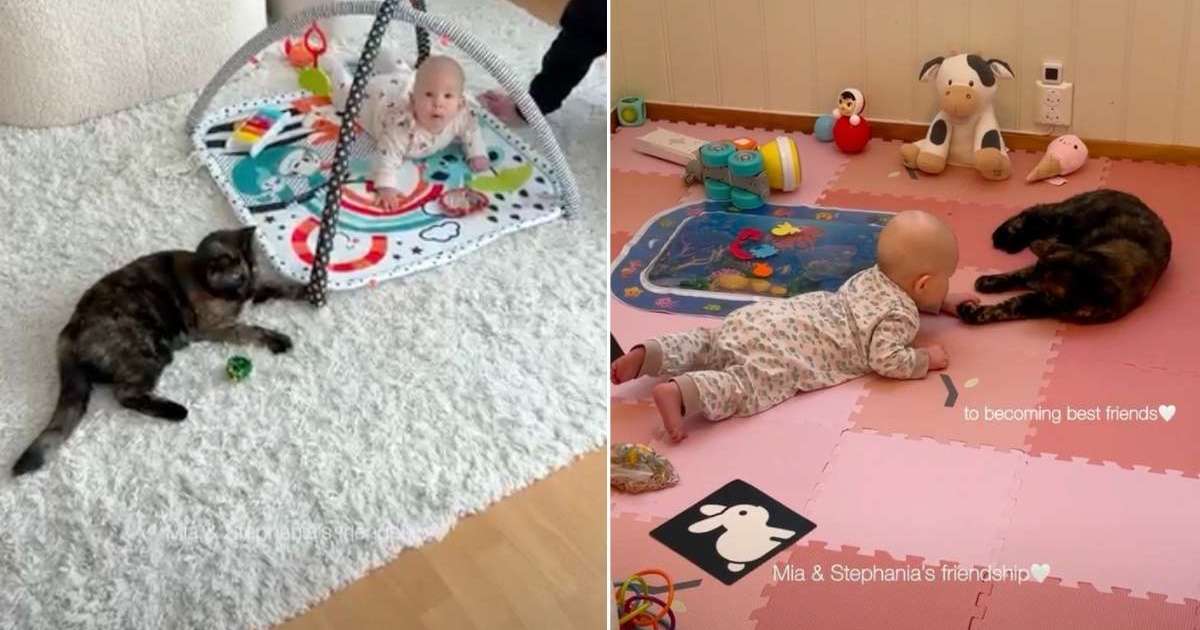
On July 1, an Instagram account called @goarram posted a video that now has more than 79K likes. It shows a cat named Mia meeting a baby named Stephania for the first time. The footage is brief, but the decision is immediate: Mia stays. She becomes a constant presence beside the infant, moving with a softness that seems deliberate. The caption reads: "From their very first meeting to friendship for a lifetime." Viewers have filled the comments with lines like "Their friendship is unique" and "So precious." What makes this more than a cute clip is the apparent permanence. The video follows Mia through months of Stephania's growth, and the cat never withdraws. She is present for the small moments—the naps, the play, the quiet stares—and the bond only deepens. For the family, there was no training session, no gradual introduction. One look, and the cat chose. That spontaneity is part of what captures people's attention. It suggests that some connections don't require time to develop; they arrive whole.
A Nightly Ritual Built on Trust
Winnie the Labrador has a different kind of bond, but one equally devoted. Every night, she climbs onto her bed carrying a well-loved baby toy. She won't settle without it. In a video shared by @winnietheelabrador, Winnie is already tucked in with the toy held gently in her mouth. Her eyelids grow heavy, yet she never lets go. Instead, she shifts the toy into a perfect spot and rests her chin across it, as if checking that it's comfortable, too. At one point she notices her owner filming, lifts her eyes for a quick glance, then closes them again, satisfied. The caption notes that not a single night passes without the toy beside her. Winnie's attachment extends to mealtimes as well. After finishing her food, she carefully carries the toy over to her bowl, as though making sure her "baby" gets dinner, too. These rituals speak to a deeper need—the toy is not just a possession but a companion in a household routine that gives Winnie security.
Breed Traits That Shape Devotion
Winnie's behavior is typical of her breed. Labradors are known for carrying treasured items gently in their mouths, a trait rooted in their history as retrievers. That instinct—to hold, to protect, to keep an object safe—makes the nightly ritual feel natural rather than learned. The grip is careful, never damaging, as if the toy were a fragile thing. Winnie's owner noticed this and shared it because it captures something essential about the breed: a soft mouth and a hard-wired desire to hold close. For cats like Mia, the bond follows a different pattern. Cats are solitary by nature, but when they choose a companion, they often do so with complete attention. Mia does not simply tolerate Stephania; she positions herself beside the baby and stays. The gentleness she shows is not a canine retrieving instinct but a feline decision to be present. Together, the two stories show that devotion in pets is not a single behavior but an expression of their species' instincts and their individual personalities.
What These Attachments Tell Owners
The reactions to these videos—the likes, the comments, the shares—point to something owners recognize in their own pets. Attachments to toys, babies, or even a specific blanket are not quirks but signals of emotional security. Winnie's owner knows that the toy is non-negotiable; taking it away would disrupt a routine that helps the dog feel safe. For families introducing a pet to a new baby, Mia's story offers a model. There was no forced interaction, no staged meet-and-greet. The cat approached the child on her own terms, and the bond formed naturally. Owners who watch either video may wonder if their pet will show a similar inclination. The answer lies in observing how the pet positions itself: whether it stays close, whether it moves gently, whether it checks on the other. For dogs like Winnie, the ritual of carrying a toy to bed or to a food bowl is a measure of comfort. For cats, proximity and relaxed body language are the clearest signs. These are not guarantees, but they are the everyday cues that tell an owner a bond is real.
A Bond That Captures the World
The video’s viral spread on Instagram speaks to a universal resonance. Comments like “Their friendship is unique” and “So precious” from viewers highlight how deeply such connections are valued. The owner’s simple caption, “From their very first meeting to friendship for a lifetime,” frames the footage as a promise kept. Without narration, the clip shows an unspoken understanding that transcends species. The sheer number of reactions transforms a private family moment into a shared testament to the power of cross-species affection. It is not the actions that draw attention, but the quiet certainty that this relationship matters—to the family, to the cat, and to a global audience that finds solace in its warmth.
Compiled from published reference material: cattime.com