Can This AI Collar Finally Decode Your Cat's Secret Language?
A clip-on gadget and app promise to translate feline vocalizations into human speech, blending tech and tenderness for curious cat owners.
The Enigma Wrapped in Fur
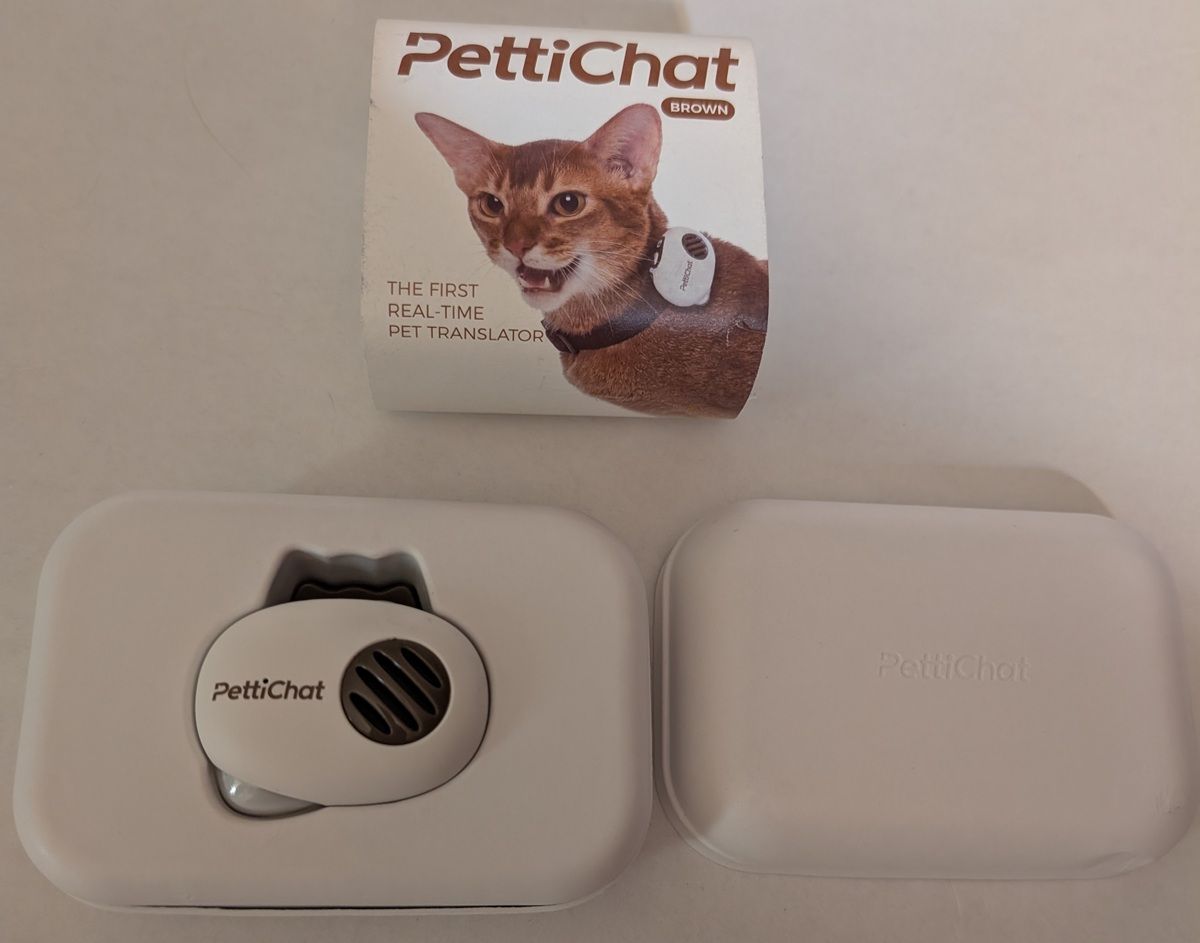
For centuries, cat lovers have puzzled over the meanings behind their pets' chirps, meows, and trills. Now, a startup named PettiChat is betting technology can crack the code. This system pairs a miniature electronic device, roughly an inch wide, that attaches to a collar with a smartphone app. Using artificial intelligence, it aims to convert a cat's sounds into written and spoken English—or ten other languages—claiming a striking 94.6 percent translation accuracy. Priced at $149, the gadget has already generated buzz, with a Kickstarter campaign raising over $151,000 and pre-orders surpassing 10,000 units before its official launch. The proposition is tantalizing: not just tracking your cat, but hearing its voice.
Under the Hood: How the Gadget Works
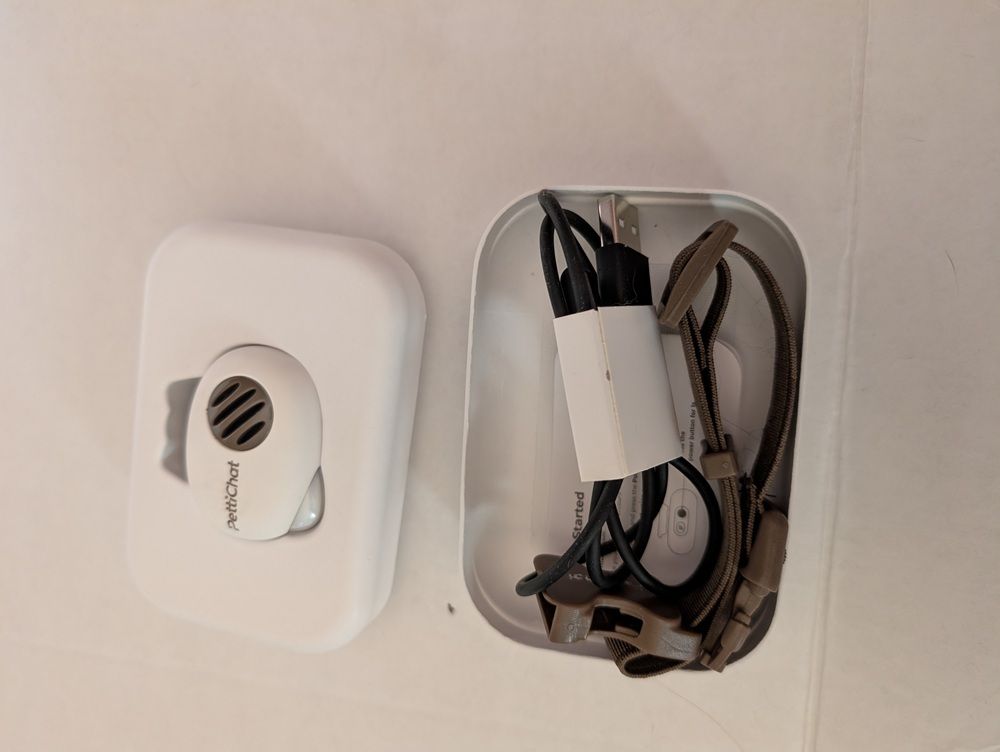
The PettiChat kit arrives with the sensor unit, a breakaway safety collar, and a charging cable. A one-hour charge fuels the device for what the company states is up to 1,000 translations or 100 hours of active GPS tracking. It operates in sleep mode until a vocalization triggers it, sending a text translation to the connected app via Bluetooth and Wi-Fi. Users can set up profiles for multiple pets, including dogs, and choose from supported languages like English, Chinese, Spanish, and Japanese. The adaptive AI is designed to learn your specific animal's sounds over time, theoretically refining its output the more you use it.
A Tester's Verdict: Charming but Choppy
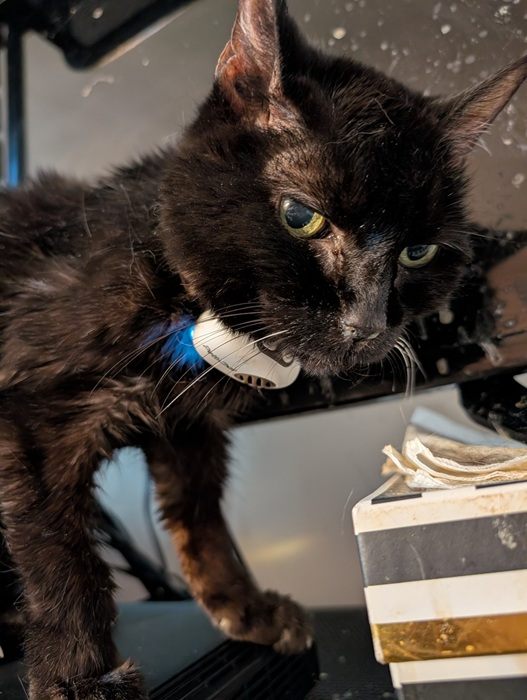
During several weeks of hands-on testing with a media sample, the technology delivered moments of genuine delight. Translated messages appeared with playful, childlike phrasing, such as a cat "saying" it wanted to nuzzle cheeks or expressing irritation at being held. The app archives these conversations in a thread. However, the experience wasn't seamless. The paper instructions were found to be sparse, leading to confusion about the device's light indicators and modes. The unit sometimes failed to activate properly from sleep mode, and its GPS function proved inconsistent. While the core idea is engaging, the user experience highlighted a need for more robust guidance and technical polish from the company, which is based in China.
From Giggles to Genuine Insight
Beyond entertainment, the device's features have practical implications for cat care. The built-in GPS tracker offers a layer of security for outdoor cats, potentially alerting owners to a lost pet's location. More subtly, persistent translation could, in theory, help identify patterns in vocalizations linked to stress, hunger, or discomfort—health signals an attentive owner might act on. For instance, frequent translated messages about hiding or agitation could prompt a check for environmental stressors or a vet visit. The ability to send recorded voice messages back to the pet also opens a novel channel for training reinforcement, allowing owners to deliver consistent commands or comforting words even from another room.
The Bigger Picture: A Niche Market Explodes
PettiChat's strong crowdfunding success points to a powerful market desire: to deepen the interspecies bond through technology. The development team, comprising AI engineers, veterinarians, and animal-behavior scientists, invested two years in research and development, underscoring the product's ambition. While its accuracy claim of 94.6 percent invites skepticism—cat communication is highly contextual—it has clearly captured imaginations. The product's entry, with its sleek design and multi-pet app support, represents a significant step beyond earlier button-based communicators, suggesting a future where our homes are filled with devices that listen, interpret, and perhaps, in a limited way, speak for our silent companions.
Compiled from published reference material: cats.com