The Bathroom Door Isn't Even Closed Yet: Why Your Dog Won't Let You Pee Alone
From velcro dog syndrome to hardwired pack instincts, your pup's obsession with bathroom company has roots worth understanding.
A Scene Every Dog Owner Knows
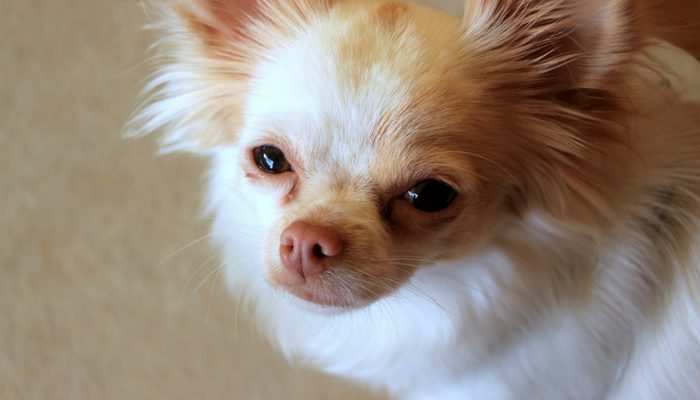
You push the bathroom door open. You have maybe three seconds of solitude before a wet nose nudges it wider, and suddenly your dog is standing there, tail wagging, staring at you like this is the most fascinating thing you've done all day. It's universal enough to have spawned a thousand memes, but the behavior is genuinely interesting once you peel it apart. The reasons range from deep evolutionary wiring to the simple fact that you accidentally made the bathroom the most intriguing room in the house by keeping it shut. Understanding why your dog does this can tell you a lot about their emotional state, their confidence level, and whether the habit crosses a line into something worth addressing.
When Shadowing Signals Something Deeper
There's a meaningful difference between a dog who follows you because they enjoy your company and a dog who follows you because they panic when you disappear. If your dog paces, whines, drools, or scratches at the door the moment you step behind it, those are hallmark signs of separation anxiety. The bathroom following itself isn't the problem — the distress response is. Dogs with separation anxiety can develop destructive habits, lose weight from refusing to eat when alone, and injure themselves trying to escape confinement. Working on independent behaviors early — short absences paired with calm rewards, gradually extending the duration — builds a dog's confidence that you will return. Puzzle feeders, designated rest spots, and structured alone-time training are all tools that help reshape the dog's emotional relationship with solitude.
Curiosity, Scent, and the Forbidden Room
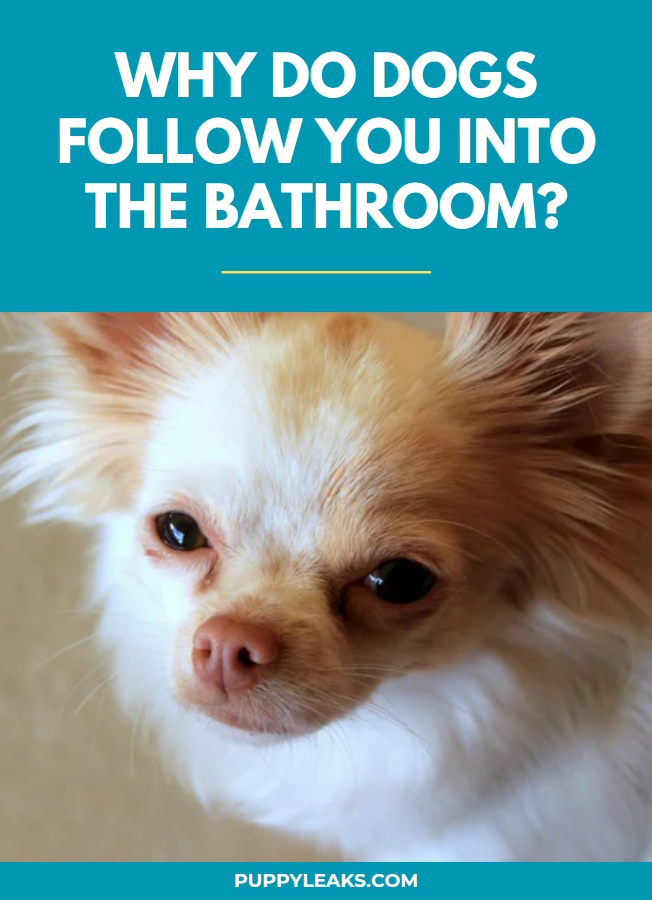
Consider the average bathroom from a dog's nose: a kaleidoscope of soap fragrances, cleaning products, the faint trace of every person who's used the towel rack. If you keep the door closed during the day, you've also added the psychological weight of a restricted zone — and dogs are magnetically drawn to spaces that seem off-limits. The bathroom holds running water sounds, smooth tile floors that stay cool in warm weather, and an audience (you) who's temporarily a captive. For a scent-driven animal, that room is basically a library of chemical information. The behavior doesn't require a deep emotional explanation every time; sometimes the dog is just doing what dogs do: investigating an environment that smells interesting and happens to contain their favorite human standing still.
Pack Wiring Runs Deep
The pack mentality explanation doesn't require dominance theory or alpha hierarchies. It's simpler than that. Wild canids survive by staying close to their social group — foraging together, sleeping near one another, and yes, keeping watch during vulnerable moments. Domestic dogs still carry that wiring. You stand beside your dog when they're doing their business outside; returning the favor during yours is logical from their perspective. Breeds historically developed for cooperative work — herding dogs, sporting dogs, sled dogs — tend to display stronger group-cohesion instincts than more independent breeds like Basenjis or Afghan Hounds. The bathroom moment is, to your dog, a small extension of the same social contract that governs every other part of the day: we do things together.
What Healthy Following Looks Like — And When to Act
A confident dog who trots after you, sniffs the bath mat, and lies down on the tile while you wash your hands is showing normal, social behavior. There's no need to discourage it unless the dog's presence genuinely interferes with your routine. The moment to intervene is when the following comes bundled with anxiety signals: trembling, excessive vocalization, inability to settle, or frantic behavior when a door separates you. Training a reliable "place" command — directing the dog to a bed or mat and rewarding them for staying — gives the dog an alternative job during bathroom trips and builds tolerance for distance. For puppies, gentle early practice with short separations sets a foundation that pays off for years. Your dog doesn't understand closed doors the way you do, but they can absolutely learn that a closed door isn't a crisis.
Compiled from published reference material: www.puppyleaks.com