Panko's Ordeal: Rescue Grooming Reveals Dangers of Neglect and Hope for Recovery
A severely matted Poodle's transformation through expert care exposes hidden health risks like infected nails and weight loss, charting a path from veterinary emergency to foster home.
Three Hours Under Sedation to Free a Poodle from Matting
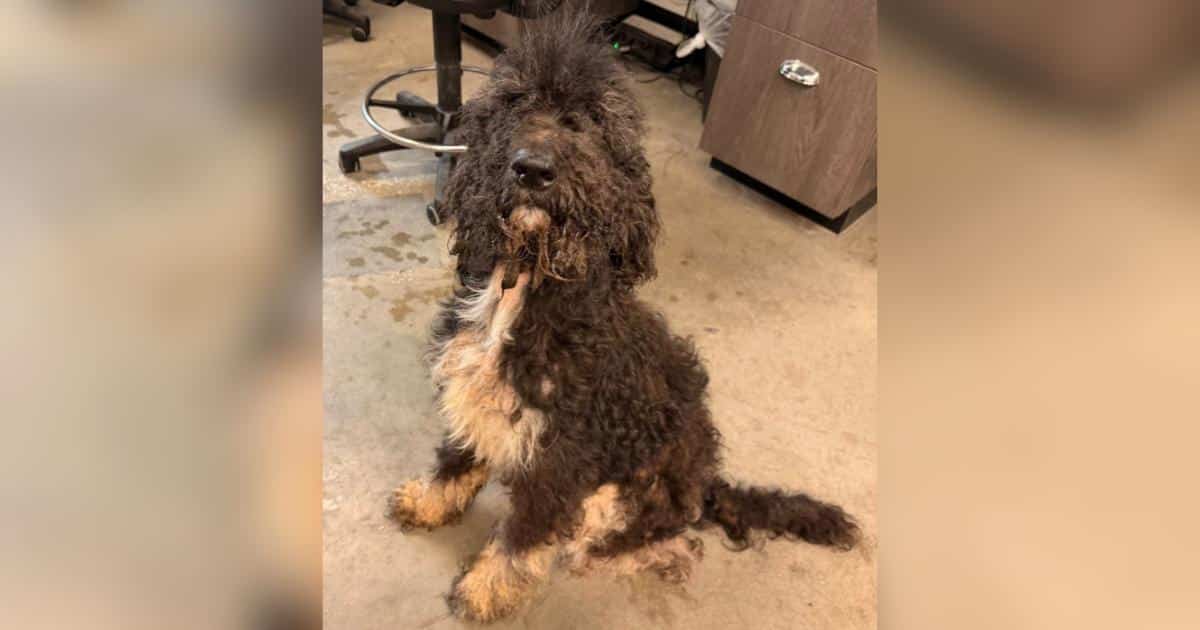
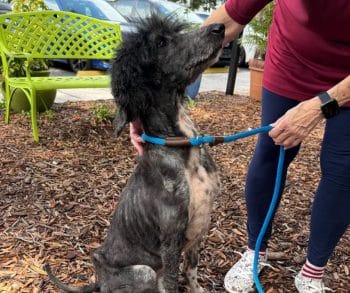
Groomers at Woofie's of South Tampa dedicated three consecutive hours to remove severely matted fur from 3-year-old Poodle Panko, who weighed just 34 pounds upon his arrival at the Humane Society of Tampa Bay two weeks before the procedure. His thick coat had matted so severely across nearly every part of his body that the tangled layers had fused into a rigid mass, trapping him in hair that had become painful and restrictive. Even standing and moving comfortably had become difficult under the weight and pull of the mats. Because the tangles had formed around extremely sensitive areas, veterinarians administered sedation to prevent unnecessary pain during removal. The experienced grooming team at Woofie's, which had cared for many neglected dogs over the years, stated they had never encountered matting this severe. Each layer required careful separation from the skin to avoid tearing compromised tissue. As the matted fur was stripped away, the sheer weight of what had been clinging to his small frame became apparent—layers that had compressed his skin, restricted his movement, and hidden every sign of the health crisis beneath. Removing that burden was the first real relief Panko had felt in what appeared to be years.
The Painful Reality Beneath the Mats: Infected Nails and Weight Loss
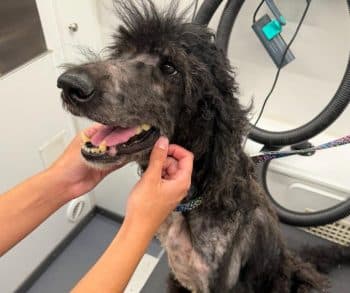
Once Panko's dense coat was removed, caregivers discovered his toenails had grown far beyond a healthy length. Several nails were impacted and some had become infected, making every step uncomfortable as the overgrown claws pressed into sensitive paw tissue. His body showed clear signs of prolonged malnutrition: ribs were plainly visible, and hips protruded sharply beneath dark skin, giving him an almost skeletal appearance at only 34 pounds. These conditions had been completely hidden by the layers of tangled fur packed so tightly against his body that no caregiver could have detected them through visual inspection alone. The infected nails represented a problem that worsened with every step he took, as impacted claws introduced bacteria with each footfall. His skeletal frame pointed to months, possibly years, of inadequate nutrition—a slow decline that the matting had both contributed to and concealed. Proper examination of these conditions became possible only after the three-hour grooming session freed him from the matted coat that had acted as an impenetrable barrier between his body and the people trying to help him.
Why Severe Matting Is a Veterinary Emergency, Not Just a Bad Hair Day
Extensive matting is a painful medical issue that affects nearly every part of a dog's body. As mats tighten over time, they pull constantly on the skin, creating a persistent dragging sensation that makes walking, lying down, or even turning the head uncomfortable. The trapped fur compresses underlying tissue, and moisture, dirt, and bacteria accumulate beneath the tangled layers, creating conditions ripe for skin infections, open sores, and parasites. Long mats around the paws alter a dog's gait, shifting weight unnaturally and putting additional strain on joints designed for a different pattern of movement. Over months or years, this compensating posture can lead to chronic joint pain and muscle deterioration. In advanced cases, thick mats also conceal serious underlying problems—overgrown nails, wounds, and progressive weight loss—masked by the sheer bulk of matted fur. The bulk can make a malnourished dog appear adequately sized, hiding starvation in plain sight. Removing years of tightly packed fur requires sedation and expert handling because the process risks tearing skin that has been compressed and weakened over time. What may look like a dog who simply needs a haircut is, in reality, a medical crisis unfolding beneath the surface.
Panko's Calm Demeanor in the Face of Years of Neglect
Despite enduring prolonged neglect, Panko greeted his rescuers with a calm and sweet temperament. Caregivers note that severely neglected dogs respond in distinctly different ways. Some become frightened or defensive because they are in constant pain, reacting with fear or aggression. Others seem to recognize they are finally being helped, and they allow approach. Panko fell into the second category. Throughout the lengthy grooming process—three hours of careful work that included sedation—he remained patient and trusting. He never showed the fear or aggression common in dogs with similar histories. His gentle nature allowed the teams to provide care without added distress or complications. Everyone who met him remarked on the same quality: a dog who had every reason to distrust people and none of the inclination.
Recovery in Progress: Treat-Catching Skills and a Growing Appetite
Panko currently resides in care where staff monitor his recovery daily. He has developed a healthy appetite and eagerly approaches mealtime, a significant change for a dog whose body showed severe signs of nutritional deprivation at intake. At just 34 pounds upon arrival, he was well below a healthy weight for a 3-year-old Poodle, and consistent, properly portioned meals are central to his ongoing improvement. Caregivers have also discovered that Panko has an impressive talent for catching treats mid-air—a skill that suggests a playful, engaged personality that years of neglect could not erase. The treat-catching has become a daily ritual that staff look forward to, offering joyful moments that signal the kind of dog Panko is becoming as his body heals. Each meal brings him closer to a healthier weight, and each interaction with gentle, attentive humans reinforces the trust that sustained him through his grooming and early recovery. His progress is measured not just in pounds gained but in the enthusiasm he brings to moments that a healthier dog might take for granted.
Next Step: A Foster Home for Gradual Weight Gain and Comfort
Panko's immediate future involves moving into a loving foster home, where he can continue gaining weight gradually under the watch of a dedicated caregiver. The foster environment is designed to provide what the shelter cannot offer around the clock: consistent routine, quiet companionship, and daily comfort that helps a recovering dog settle into normalcy. For a dog who arrived at just 34 pounds with a skeletal frame, gradual weight gain must be managed carefully—too much too fast can overwhelm a digestive system that has been deprived for an extended period. The foster home will also give Panko time to adjust to soft beds, regular meals on a predictable schedule, and the gentle human contact that rebuilds trust one interaction at a time. This step serves as a bridge between the intensive care he has received and the permanent, adoptive home that will eventually become his. Foster placement is considered a critical phase in rehabilitation, giving recovering dogs the time and stability their bodies need before adoption.
How Matting Masks Health Problems Until It's Too Late
Thick mats can hide serious problems such as overgrown nails, wounds, and significant weight loss—conditions that remain invisible and often undetectable to the touch until the coat is safely removed. A dog's matted fur can mask starvation, making a malnourished animal appear adequately sized to casual observation. In Panko's case, the layers of tangled hair concealed a body that had wasted to 34 pounds and health problems that had progressed unchecked beneath the surface. This is why severely neglected dogs frequently require veterinary supervision or sedation during grooming. The process is not merely cosmetic but diagnostic, functioning as the first real physical examination a dog may have received in years. Groomers working under veterinary oversight remove the matted coat in a controlled setting while monitoring for signs of skin tearing or distress, and each cleared section reveals tissue, bone, and nail that had been sealed off from view. Without that careful removal, hidden conditions would continue to worsen beneath the fur while the bulk of matted hair made a sick dog appear merely unkempt. The grooming becomes the moment when years of hidden decline are finally made visible.
Panko's Ordeal: The Consequences of Neglected Coat Care
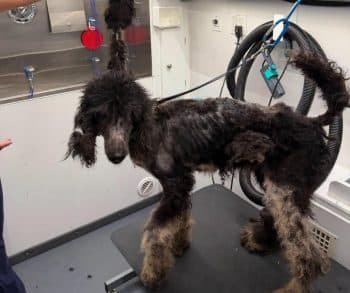
Panko's severely matted paws offered one of the most striking visual examples of what long-term neglect does to a dog's body. Beneath the layers of tightly packed fur, his feet no longer resembled the soft, fluffy paws typical of a Poodle. Instead, they looked as though they had been trapped inside old, stained boots made entirely of tangled hair—a transformation that happened gradually as mats compacted around the paw pads and between the toes, absorbing moisture, dirt, and ground debris over months or years. The compression had reshaped his feet entirely, fusing hair and foreign material into a rigid casing that restricted natural paw movement and hid the condition of the skin and nails underneath. When groomers carefully removed these formations during the three-hour session, they revealed tissue that had been sealed off from air and light for an extended period. Despite the severity of his overall condition, one small piece of good news emerged during his examination: Panko did not have fleas. In a case where moisture and bacteria had been trapped against his skin beneath dense mats, the absence of a flea infestation spared him from additional irritation and the secondary skin damage that comes with persistent biting and scratching. His paws, once freed from their matted shells, began the slow process of returning to normal shape.
Compiled from published reference material: iheartdogs.com