Adopting a Shelter Cat Isn't Just Kind—It's Practical
From covered vet essentials to a calmer household, shelter adoption rewards you in ways breeding never can.
Your Adoption Frees the Next Cat's Spot
Every year, animal shelters take in cats from homes that can no longer keep them and strays found on the streets. Your choice to adopt one does double duty: it gives that cat a permanent address, and it opens a kennel for the next cat to arrive. That turnover matters because shelter space is finite. Without adopters, animals wait longer, and the shelter cannot take in new arrivals. By adopting, you directly increase the shelter's capacity—a concrete, measurable benefit that no breeder purchase can replicate. The cat you take home escapes the stressful shelter environment, and the shelter gets room to help another animal. It's a simple equation: one adoption, two lives changed. But the impact goes beyond that. Each cat that finds a home frees up resources like kennel space, staff time, and food, which are always in limited supply. Shelters rely on this turnover to rescue more animals from the streets or from owners who can no longer care for them. In practice, every empty cage means a new cat can be brought in off the streets and given a chance at safety. For the cat you adopt, the shelter can be loud and disorienting, but your home provides a calm refuge where they can relax and show their true personality. Shelters offer cats of every age and temperament, from playful kittens to relaxed seniors, and adoption fees typically cover vaccinations, microchipping, and spaying or neutering, so you get a healthy companion ready for home.
Shelters Have Cats of Every Age and Personality
The common assumption is that shelters only hold old or 'problem' cats. In reality, you'll find kittens barely months old, adults in their prime, and seniors who just want a quiet window ledge. Staff members know each cat's personality—playful goofballs, snuggly lap cats, or relaxed companions. You can spend time with them and ask about their history. A good shelter will help you match your lifestyle to a cat's energy level and needs. This variety means you're not settling for whatever's left; you're actually choosing from a broad pool. Whether you want a cat that fetches or one that sleeps on your keyboard, shelters have them. The staff can often tell you which cats get along with other animals or children—the same level of matching you would expect from a dedicated breeder.
Adoption Fees Cover the Vet Essentials
Buying from a breeder often costs hundreds or thousands of dollars, and that's before you pay for vaccinations, microchipping, and spay or neuter surgery. Shelter adoption fees are far lower and typically bundle these services. Most shelters include the basic health procedures in the fee, which can save you several hundred dollars at the vet's office. Some shelters even throw in a free initial bag of food or a voucher for a veterinary check within the first week. That means you're not just paying less upfront; you're also getting a cat that's already been examined and treated for common issues. The money you save can go toward a proper carrier, a scratch post, or a few weeks of high-quality food—a smart way to bring a cat home without the extra vet bills.
Shelter Cats Come Health-Checked and Socialized
Before a cat goes home, shelters typically perform health checks and provide treatments. That means you're adopting a cat that has already been inspected for common parasites, infections, and other conditions. The shelter's staff will note any ongoing medical needs and tell you what to watch for. In addition, many shelter cats have had plenty of human interaction, and some have lived with other animals. That experience makes them more adaptable once they move in with you. A cat that's used to being handled is easier to groom, medicate, and take to the vet. Shelters also often have a quarantine process to ensure they're not sending sick animals home. You get a cat with a clear health baseline from day one, and you know exactly what care they've already received.
A Shelter Cat Lowers Your Stress Level
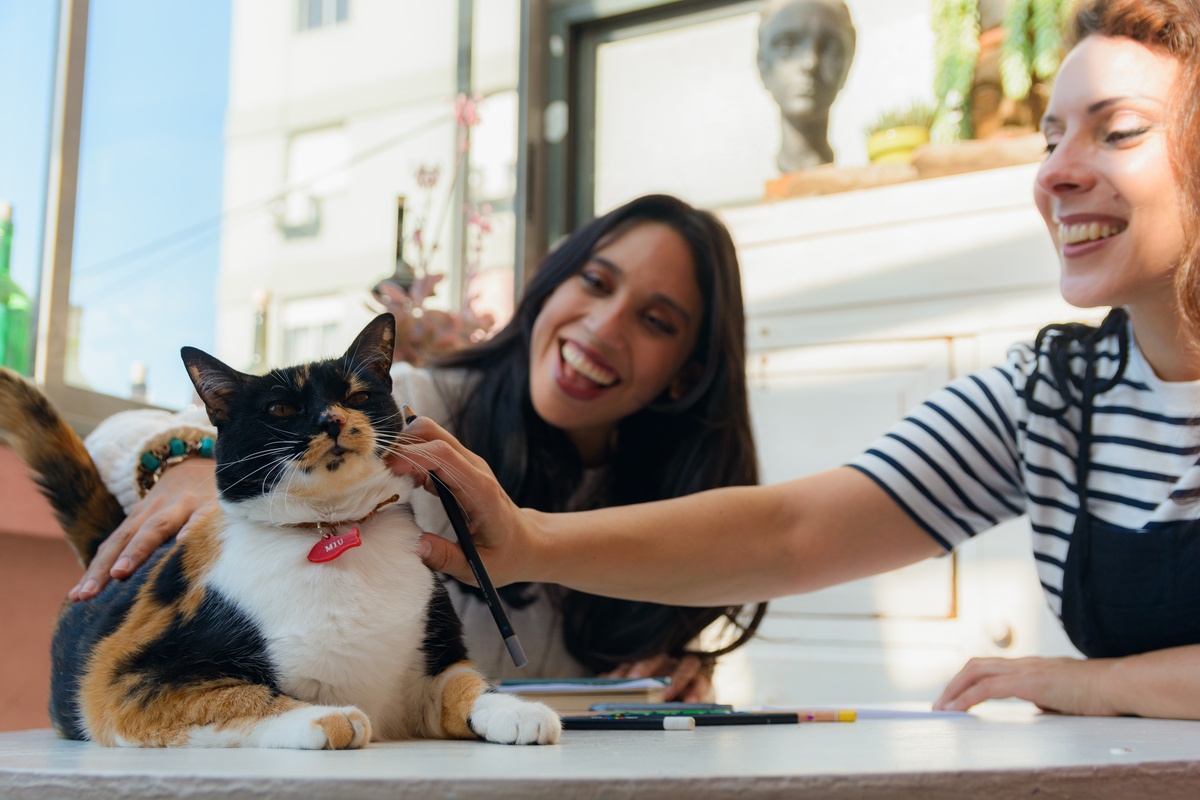
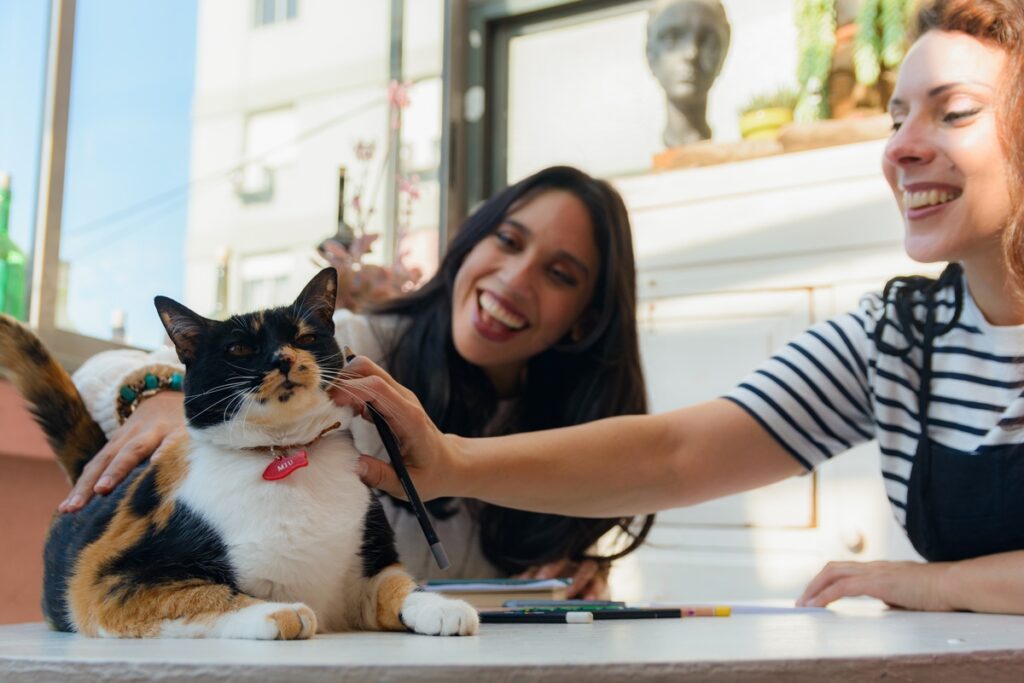
Cats are natural stress-busters. Spending even a few minutes petting a cat can lower your anxiety and slow your heart rate. Watching a cat chase a toy or do something silly is an instant mood booster. For people who live alone, a cat provides companionship and physical warmth that makes an empty apartment feel like a home. The routine of feeding, cleaning, and playing gives your day structure, which also helps with mood. Many owners report feeling calmer after adopting a cat, and the simple act of having a purring animal on your lap acts as a form of mindfulness. If you work from home, a cat sitting beside your keyboard can be a constant, quiet reminder to breathe. It's a low-cost, high-reward intervention for your mental health.
Adopting Teaches Kids Compassion and Responsibility
For families, adopting a shelter cat is a living lesson in compassion and responsibility. Children learn that caring for a pet means feeding on time, cleaning the litter box, and noticing when the cat seems off. They watch how the cat responds to gentle handling and respectful boundaries. This hands-on experience builds empathy and patience. Adults also get a reminder that a small act of kindness—choosing adoption over a store—changes an animal's life. The family bond becomes stronger when everyone shares the duty of care. Kids who grow up with pets often develop better social skills and emotional awareness. The shelter can also give you advice on how to include children in the care routine, making the lesson structured and safe. That's a responsibility that pays off in character development.
The Bond That Comes From a Second Chance
Many shelter cats have had rough beginnings—a lost home, a sudden change, or years on the street. When they finally land in a safe place, their gratitude shows. They'll curl up in your lap, follow you from room to room, and purr loudly as if to say thank you. This bond is built on trust that has to be earned, which makes it especially rewarding. Unlike a purchase where the transaction ends, adoption starts a relationship with a history. The cat knows you're the one who gave it a home, and that knowledge shows in its behavior. Owners often describe the connection as deeper because they witnessed the cat's transformation from nervous to content. That's a feeling you can't get from a pet store—a bond that strengthens every day you're together.
Compiled from published reference material: www.petsitusa.com