Nine Evidence-Based Factors That Actually Help Dogs With Skin Allergies
The 4-12 week food allergy test, hydrolyzed and novel protein diets, atopic dermatitis and food allergens, flea saliva, secondary infections, omega-3 fatty acids, and a two-month multimodal care plan — these nine evidence-based factors address the root causes of canine skin allergies.

The 4-12 Week Test That Confirms a Food Allergy
If your dog is scratching constantly and your vet has ruled out fleas, the next step is often an elimination diet trial. This diagnostic test involves feeding only a prescribed diet—either hydrolyzed or novel protein—for 4 to 12 weeks. During that stretch, your dog cannot eat anything else: no treats, no table scraps, no chewy medications with flavorings. A single slip-up can restart the entire trial. The logic is straightforward: if the itching, redness, and ear infections improve on the new food, and then flare up again when the old food is brought back, a food allergy is confirmed. Most food-allergic dogs react to proteins like chicken or beef, so removing all intact proteins is the goal. The trial demands owner discipline, but it's the most reliable way to separate food allergies from environmental triggers. Vets guide the reintroduction phase carefully to avoid a severe flare.
Hydrolyzed Protein Diets: How the Immune System Gets Fooled
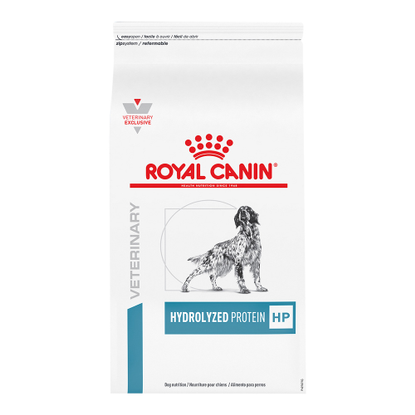
Hydrolyzed protein diets take a common protein source and shred it into fragments too small for your dog's immune system to identify as a threat. That's the principle behind Royal Canin Hydrolyzed Protein HP and Royal Canin Ultamino. These prescription foods are designed for elimination trials and long-term allergy management. Because the proteins are broken down, the allergic antibodies that cause itchy, red skin can't latch onto them. Unlike over-the-counter limited-ingredient foods, these formulas are vet-exclusive and nutritionally complete. They also support skin health through other carefully balanced ingredients, but the core mechanism is the protein fragmentation. A dog on a hydrolyzed diet must consume nothing else—even a chewable heartworm pill with a beef flavor can derail the trial. This approach is particularly useful for dogs with sensitivities to multiple proteins, since no intact animal proteins remain.

Novel Protein Diets: Giving the Immune System Something New
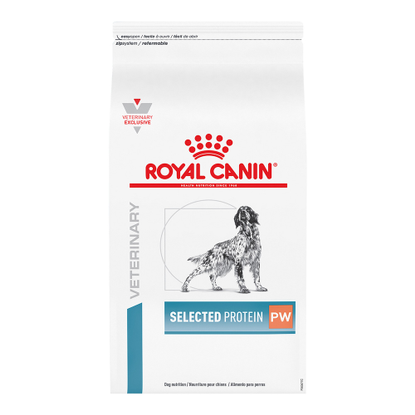
Novel protein diets give a dog a protein source it has never eaten before, so the immune system has no prior experience to trigger an allergic reaction. Royal Canin Selected Protein PW uses whitefish, while Selected Protein PD uses duck. These are prescription diets intended for either elimination trials or lifelong feeding for dogs with confirmed protein allergies. The idea is simple: if your dog has only ever eaten chicken and beef, whitefish or duck are foreign enough that antibodies don't react. These diets are also formulated with a blend of fatty acids and other nutrients to strengthen the skin barrier. Strict compliance is essential—any hidden protein, whether in a treat or a flavored medication, can invalidate the trial. After an initial improvement, a controlled reintroduction of the old protein confirms the diagnosis. Novel and hydrolyzed diets give vets two distinct tools for the same diagnostic goal.
Atopic Dermatitis: When Pollen and Dust Mites Trigger Itching
Atopic dermatitis is an itchy skin condition driven by environmental allergens like pollen and dust mites. Dogs with this condition show redness, intense itching, recurrent ear infections, and hair loss. The underlying problem is a dysfunctional skin barrier that lets allergens and bacteria penetrate more easily, combined with an overreactive immune system that treats these harmless particles as threats. That combination leaves a dog miserable. While nutrition alone won't cure atopy, prescription diets can help by delivering nutrients that support the skin barrier. These diets often include specific fatty acids, vitamins, and zinc in measured amounts. Visible improvement from a diet change usually takes about two months, which means multimodal therapy—pairing food with other treatments—is the standard approach. Owners should expect to work with their vet on a comprehensive plan rather than relying on food alone.
Food Allergies: The Protein Culprits Behind Itchy Skin
Food allergies in dogs most often show up as skin problems, not digestive trouble. The usual culprits are proteins—chicken, beef, and dairy are the most common triggers. Affected dogs develop red, itchy skin and frequently have recurrent ear infections. Some also experience gassiness or loose stools, though skin signs dominate. A key distinction is that food allergies don't respond to allergy shots, unlike environmental allergies. The only reliable way to manage them is to eliminate the offending protein entirely. That means reading ingredient labels on every treat and even checking the flavorings in medications, which can contain hidden meat derivatives. An elimination diet trial remains the gold standard for diagnosis, typically using hydrolyzed or novel protein formulas for 4 to 12 weeks. Once the offending protein is identified, avoiding it becomes a lifelong commitment.
Flea Allergies: The Saliva Problem and Why Prevention Matters
A single flea bite can trigger an intense allergic reaction in sensitive dogs because the allergen is a protein found in flea saliva. This leads to widespread itchiness, redness, and hair loss, often concentrated around the tail and hindquarters. Flea allergy dermatitis is one of the most common causes of allergic skin disease, which is why year-round parasite prevention is a cornerstone of skin management. Even a dog on the most carefully chosen prescription diet will scratch if a flea bites. Flea-allergic dogs may also have concurrent food or environmental allergies, meaning all triggers must be controlled simultaneously. Veterinarians typically recommend fast-acting flea preventives and strict indoor flea control, including regular vacuuming and washing pet bedding. Skipping a month of prevention can undo weeks of dietary progress.
Secondary Skin Infections: Signs That Demand Treatment
Itchy skin often becomes infected secondarily. Staphylococcus bacteria and yeast are the usual culprits, thriving in the damaged skin barrier. Signs include red pimple-like bumps, red scales or crustiness, oozing patches, and a foul, yeasty odor. If you see any of these, allergy management alone won't bring relief—the infection needs specific treatment first. Your vet will likely prescribe a medicated shampoo or oral medication to clear the infection. Until it resolves, the itching and redness will persist regardless of dietary changes. That's why a multimodal approach matters: controlling allergies and treating infections go hand in hand. Regular bathing with a gentle, ceramide-containing shampoo can also help remove allergens and reinforce the skin barrier, but it's not a substitute for veterinary treatment when an infection is present.
Omega-3 Fatty Acids: The Skin Barrier's Building Blocks
Omega-3 fatty acids—specifically eicosapentaenoic acid (EPA) and docosahexaenoic acid (DHA)—play an essential role in reducing skin inflammation and maintaining a healthy skin barrier. They also help prevent moisture loss from the skin, which keeps the coat glossy and reduces dryness. Alongside omega-6 fatty acids like linoleic acid and alpha-linolenic acid, these fats work in balance. Prescription skin diets are formulated to include optimal amounts of these fatty acids, something hard to achieve with generic supplements. For dogs with environmental allergies, a diet rich in EPA and DHA can fortify a compromised skin barrier. These fatty acids work by damping the inflammatory response that drives itchiness and redness, while also strengthening the lipid barrier that prevents allergens and bacteria from penetrating. In practice, veterinarians rely on prescription diets with measured EPA and DHA levels, as over-the-counter supplements often lack the precise ratios needed for skin support. Owners should commit to the diet exclusively for at least eight weeks and track any reduction in scratching or flaking, since results are gradual rather than immediate—visible changes typically appear around the two-month mark.
Why Two Months and Multimodal Care Are the Real Answer
No single treatment fixes a dog's skin allergy. The gold standard is multimodal therapy: combining a prescription diet with oral medications like Apoquel, allergy shots, and topical treatments. For environmental allergies, a diet such as Royal Canin Skintopic supports the skin barrier while other therapies calm the overreactive immune system. Expect to wait about two months to see whether a diet change is working—skin regeneration and inflammation resolution don't happen overnight. Along the way, limit allergen exposure by keeping windows closed during peak pollen season, using air filters, and vacuuming regularly. Check ingredient labels on treats and medications for hidden proteins. And treat any coexisting bacterial or yeast infection promptly, or you'll never see the diet's true effect. A record of what you do and what helps will let your vet refine the plan over time.
Compiled from published reference material: www.greatpetcare.com