The Hidden Benefits of Automatic Cat Feeders Beyond Convenience
Explore the biological, health, and practical reasons why automatic feeders are becoming indispensable in cat households.
The Predictable Mealtime: Cats' Biological Need for Routine
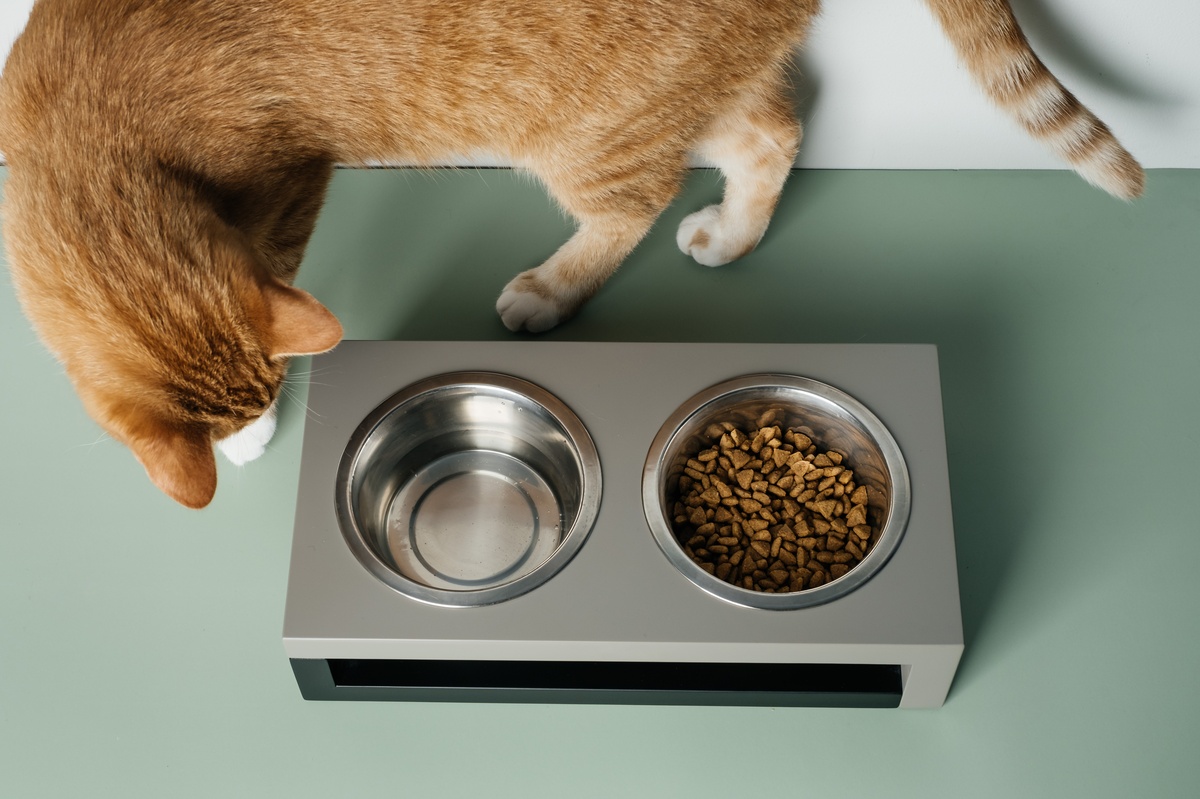
Cats are creatures of habit, with internal clocks that expect meals at the same time each day. Disruptions to this routine can trigger anxiety, excessive vocalization, or even aggression, as their biological rhythms are finely tuned. Consistent meal times support optimal digestion and nutrient uptake, helping maintain a healthy metabolism and reducing stress-related behaviors. Automatic feeders with programmable timers deliver meals at precise intervals, such as 7 AM and 6 PM daily, which mirrors natural feeding patterns and keeps routines steady even when your day gets unpredictable. This regularity ensures cats don't experience sluggishness or behavioral issues from irregular eating. By automating feeding, owners can provide a structured environment that aligns with feline instincts, promoting overall well-being without constant manual intervention.
Digestive Harmony: How Fixed Feeding Times Boost Nutrient Absorption
A consistent feeding schedule directly supports your cat's digestive system by allowing it to operate with predictable efficiency. When meals arrive at irregular times, it can disrupt digestion and hinder nutrient uptake, potentially leading to upset stomachs. An automatic feeder solves this by dispensing precise portions of dry food, like kibble, at programmed times. This precision prevents overeating, which is a key factor in promoting better digestion and nutrient absorption, and supports a steady metabolism by avoiding energy spikes and crashes. To implement this, program the feeder to deliver measured amounts that align with your cat's size and activity level. Begin by introducing the device gradually so your cat becomes comfortable with it, ensuring the transition supports rather than disrupts their digestive health. This measured approach provides the exact nutrition needed without excess, fostering long-term gastrointestinal and metabolic function.
Beating the Clock: Feeders that Sync with Unpredictable Work Schedules
Busy lifestyles, marked by work meetings, traffic delays, or social events, can easily derail a cat's feeding routine. An automatic feeder allows owners to pre-schedule multiple daily meals with calibrated portion sizes for each serving, ensuring your cat is fed on time even when you're away. Many models feature a sealed compartment that keeps food fresh until dispensing, preventing staleness or clumping. The device operates on a simple timer or app-controlled system, giving you peace of mind that your pet's needs are met without requiring your physical presence. For example, setting feedings during typical work hours or evening delays maintains consistency. This automation removes the stress of unpredictable schedules, allowing owners to focus on their responsibilities while their cat's routine remains uninterrupted.
Single Source of Truth: Ending Double-Feeding in Multi-Caregiver Homes
In households where multiple people—like family members or pet sitters—share feeding duties, confusion often leads to double-feeding or missed meals, disrupting a cat's routine. An automatic feeder centralizes the process by dispensing meals at set times, such as 6 AM and 5 PM, eliminating guesswork and ensuring consistency. This is particularly useful during travel; if you're away for a few days, the feeder ensures consistent portions while a sitter handles other care. Programming measured amounts per meal prevents overfeeding, even if someone else inadvertently tops up the bowl. This system reduces the risk of obesity-related issues and keeps all caregivers aligned, avoiding the stress of conflicting feeding attempts. It creates a reliable framework that supports feline health across different caretakers.
Portion Precision: The Frontline Defense Against Feline Obesity
Feline obesity can lead to serious health problems like diabetes, arthritis, and heart disease, making portion control essential to a cat's long-term well-being. Automatic feeders allow owners to program precise portions for each meal, ensuring a cat gets the nutrition needed without extra calories. This control is especially beneficial for cats on prescription diets or weight management plans, where every calorie counts. By dispensing measured amounts, the feeder prevents the overeating that often occurs with free-feeding or manual feeding, where human error can lead to excess. For instance, setting the feeder to deliver specific quantities at each feeding helps maintain a healthy weight over time. This targeted approach supports longevity and reduces the risk of obesity-related complications, promoting a balanced diet.
Silencing the 5 AM Alarm: Timed Feeders to Curb Dawn Demands
Many cat owners are familiar with early-morning wake-up calls, as cats instinctively seek food at dawn. Automatic feeders can be programmed to dispense breakfast at your cat's preferred time, even if that is before you are ready to rise. Over time, this can help curb early-morning begging behavior, as the cat learns to associate the feeder with mealtime rather than the owner's presence. For example, programming the feeder to release a measured portion of dry kibble at an early hour satisfies the cat's hunger without requiring you to get out of bed. This mechanism leverages the cat's natural rhythm, promoting a calmer morning routine for both parties. Owners can adjust the timing based on their cat's habits, ensuring consistent feeding without personal disruption.
Home Alone? Feeders as a Mealtime Safety Net During Short Trips
An automatic feeder operates as a critical safety net for mealtimes during your workday or short trips, guaranteeing your cat's routine is upheld without your presence. Its sealed compartment is a specific feature that keeps dry food fresh until the moment of dispensing, which prevents staleness or clumping that could disrupt a meal. Using the timer or app control, you can program feedings for intervals like morning and evening, a system that provides an extra layer of reassurance beyond relying solely on a checking-in friend or sitter. This setup directly addresses the challenge of unexpected delays, such as a work meeting running late, ensuring your cat is not left waiting. The feeder's reliable operation means your pet's nutritional needs are met automatically, allowing you to focus on other responsibilities with genuine peace of mind about their care.
Gradual Introduction: Easing Your Cat into the New Routine
Introducing an automatic feeder requires patience to avoid startling or confusing the cat. Begin by placing the feeder next to the usual bowl for a few days, allowing the cat to investigate and get used to its presence. Next, program a small portion to dispense while you're present, rewarding the cat with praise to create positive reinforcement. Over several days, gradually increase the portion size and move the feeder to its desired location. This gradual introduction helps build trust and ensures the cat associates the feeder with mealtime. Keeping the feeder clean is crucial; regular maintenance prevents food odor and maintains hygiene, encouraging your cat to use it. Additionally, using high-quality, dry cat food that won't clump or jam the dispenser ensures reliable operation during the transition.
Food Choice Matters: Selecting Kibble That Won't Jam the Dispenser
Choosing the right kibble is fundamental to the reliable operation of your automatic cat feeder. High-quality dry food with uniform particle sizes significantly reduces the likelihood of clumping or jamming the dispensing mechanism. Such blockages can interrupt meal delivery, compromising your cat's routine and causing unnecessary stress. To mitigate this, always refer to your feeder's manual for recommended kibble types, as some devices are engineered for specific sizes or shapes. In practice, selecting kibble that is dry, uniform, and free from excessive moisture ensures that the dispenser releases accurate portions without sticking. This not only prevents technical failures but also upholds the consistent feeding schedule that supports your cat's digestion and overall well-being. Regularly inspecting and cleaning the feeder complements this practice, maintaining efficiency and hygiene.
Hydration Pairing: Why a Water Fountain Complements Your Automatic Feeder
Hydration is a key component of feline health, and pairing an automatic feeder with a pet water fountain can significantly enhance your cat's water intake. Cats are often attracted to flowing water, and a fountain provides a continuous stream that encourages them to drink more frequently. This is important for preventing urinary tract issues and supporting kidney function. Place the fountain near the feeder to create a convenient feeding station that meets both nutritional and hydration needs. Regular cleaning of both devices weekly ensures hygiene and prevents the buildup of bacteria or mold. By combining timed meals with accessible fresh water, you address two fundamental aspects of your cat's care, promoting a healthier and happier pet through integrated daily routines.
Compiled from published reference material: www.petsitusa.com