From Abandonment to Sanctuary: Inside Florida's Lifeline for Neglected Animals
2nd Chance Ranch & Rescue in Duette provides hands-on rehabilitation and community education for a diverse array of rescued animals, from horses to reptiles.
The Rising Tide of Animal Surrender
Economic strains and housing challenges are driving a quiet crisis: more pets and farm animals are being surrendered or abandoned. In Duette, Florida, 2nd Chance Ranch & Rescue has expanded its intake to meet this growing need, taking in everything from horses displaced by rising costs to small domestic companions given up in life transitions. The sanctuary’s daily operations reflect a national pattern, where farms shed animals due to space limits and households relinquish pets they can no longer afford. By offering both emergency and long-term care, the ranch acts as a critical buffer against euthanasia and neglect, filling a gap that public shelters often cannot.
A Menagerie of Breeds, Each with a Story
Walk through 2nd Chance Ranch, and you’ll encounter an astonishing range: horses, ponies, goats, pigs, alpacas, rabbits, reptiles, birds, and assorted domestic pets. A pair of alpacas, rescued from a closed petting zoo, now graze in spacious paddocks. A bearded dragon surrendered by a student receives daily misting and tailored habitat adjustments. Every species arrives with distinct needs—staff immediately assess housing, social structures, and diet. This diversity requires specialized knowledge: a goat’s forage must be balanced differently from a parrot’s seed mix, and a pig’s enrichment mirrors its intelligent, rooting nature. The ranch’s ability to manage such variety underscores its role as a true multi-species sanctuary.
Nutrition as a Foundation for Recovery
Rehabilitation starts with nourishment. At the ranch, each animal undergoes a dietary assessment; a starved horse might be slowly introduced to alfalfa and grain, while an obese potbellied pig shifts to measured vegetable portions. The feed room stocks species-specific options—poultry scratch, reptile calcium supplements, hay for herbivores—ensuring no resident is overlooked. Donations of bedding and grooming supplies directly support these regimens, cutting costs so funds can target medical care. Proper nutrition isn’t just about calories; it’s a deliberate tool for healing, helping animals regain strength and resilience after neglect.
Rehabilitation Through Patience and Structure
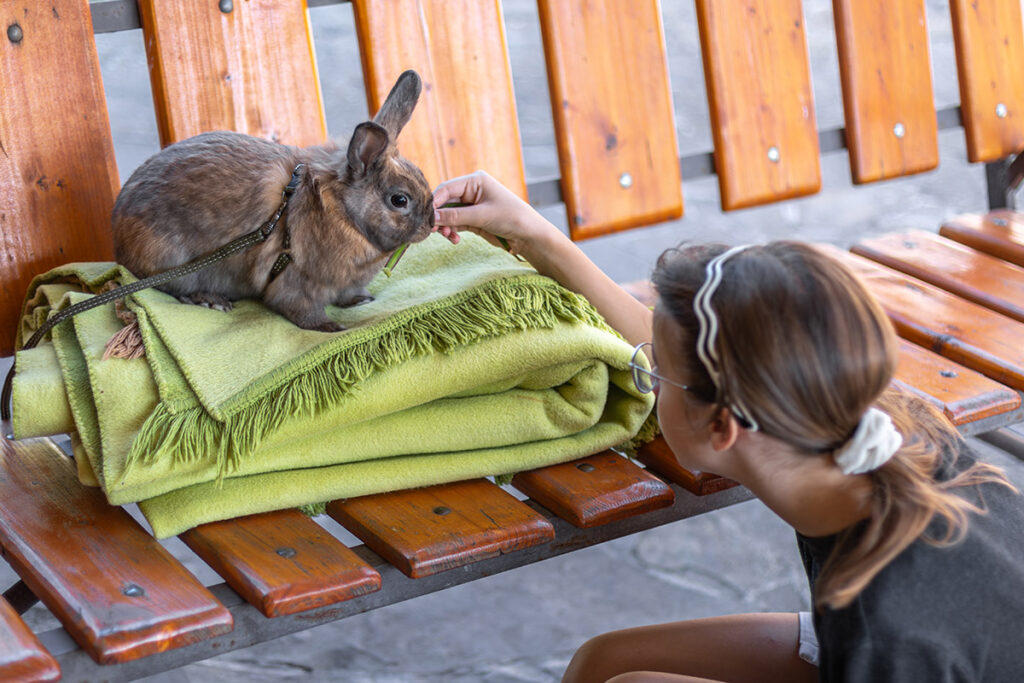
Trauma manifests in wary eyes and flinching bodies, so the ranch uses structured routines to rebuild trust. A formerly abused pony is introduced to handlers through calm, repetitive motions, never forced into contact. Behavior support might include desensitization for a skittish rabbit or group socialization for a lonely goat. The environment is deliberately quiet and predictable, allowing animals to set their own pace. This method has transformed feral cats into adoptable pets and nervous horses into companions that accept grooming. Training here isn’t about commands—it’s about creating safety so confidence can grow.
Recognizing Health Signals in Neglected Animals
Owners can learn from the ranch’s intake protocols to spot early warning signs. Weight loss, dull coats, or sudden lethargy often point to underlying issues. Upon arrival, each animal receives a full checkup; a bird plucking its feathers might be diagnosed with stress, while a goat with limping could have untreated hoof rot. Staff provide treatments like wound care or dietary adjustments, but they stress that professional veterinary diagnosis is essential when these signals appear at home. Early action—such as isolating a sick rabbit or consulting an avian vet for a parrot’s breathing changes—can halt progression to chronic illness.
Mobilizing the Community: Sponsor, Volunteer, Adopt
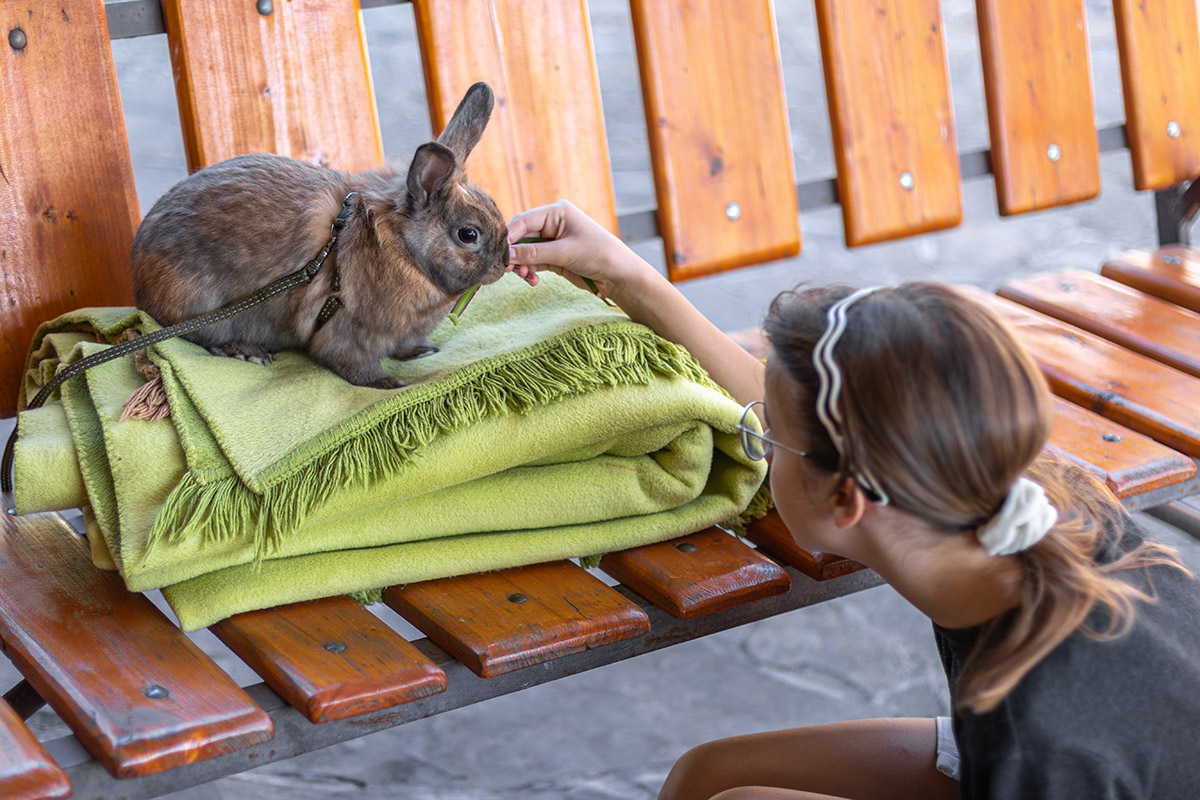
The ranch’s outreach extends beyond its gates through mobile petting-zoo visits to schools and fairs, where children handle gentle rabbits and learn about animal needs. Volunteer programs offer hands-on roles: feeding alpacas, mucking stalls, or assisting in behavior sessions. Sponsorship lets donors directly fund an animal’s care—covering a goat’s hoof trims or a horse’s dental work. Seasonal drives collect essentials like grooming tools and enrichment toys. These efforts don’t just sustain the ranch; they cultivate a network of informed advocates, turning community interest into actionable support for vulnerable animals.
Compiled from published reference material: www.petsitusa.com