The Flesh-Eating Screwworm's US Return Is Met with Genetic Sabotage and Predictive Alerts
The first human case in decades, a dashboard that spots outbreaks before they happen, and a fly that eliminates its own species are among the tools in a revamped battle plan.
A Calf in Texas Marks the First US Detection in 2026
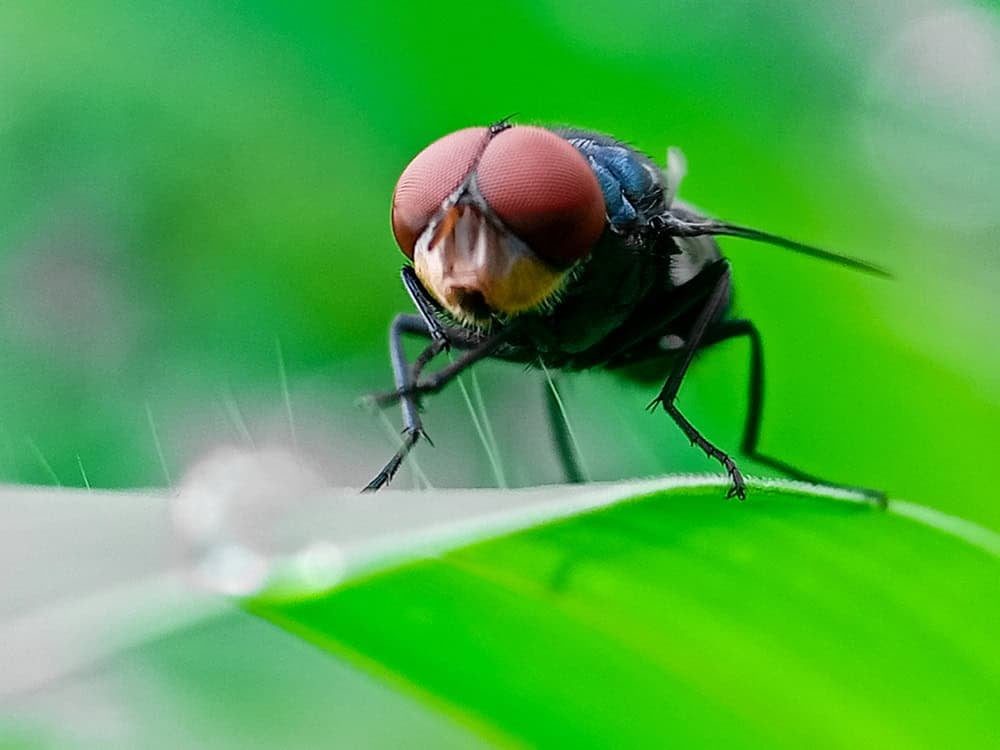
In June 2026, a calf in Texas was confirmed to have New World Screwworm, the first US detection since the pest was eradicated decades ago. The USDA leads a multi-agency response. The infection source is unknown, but the screwworm had been re-emerging through Central America and Mexico since 2023. The response includes animal movement quarantines, pesticides, and the sterile insect technique, supported by a new sterile production facility in Texas. Historically, outbreaks have cost the US agriculture industry hundreds of millions of dollars annually. Because female screwworms typically mate only once, the sterile insect technique works by flooding the population with sterile males, causing the population to collapse over successive generations. This makes the current detection a serious economic and public health concern.
The Counterintuitive Trick That Eradicated Screwworms
The sterile insect technique (SIT) eliminated screwworms from the US by 1966. Scientists raised huge numbers of captive males, sterilized them with irradiation, and released them into the wild. The strategy exploits a quirk of screwworm biology: a female typically mates only once in her lifetime. If she mates with a sterile male, she produces no offspring. Over successive generations, the population collapses. The method worked so well that eradication was extended through Central America with regional cooperation, though flies persisted in Panama, always a potential source of reintroduction. In the current Texas response, the USDA is again deploying SIT alongside pesticides and animal movement quarantines. The technique remains a cornerstone because it targets the pest without leaving chemical residues. Moreover, the approach is highly specific: because sterile males compete with wild males for the limited number of matings a female will have, each release reduces the next generation's size, and repeated releases can drive local populations to extinction. This biological precision is what made SIT a revolutionary tool in pest control, and it continues to be the backbone of the eradication effort.
A Genetically Modified Fly Designed to Eliminate Itself
As part of the current response, the USDA is seeking Environmental Protection Agency approval for a genetically modified all-male strain of screwworm. This strain is now in field testing, and it's designed to eliminate itself. Unlike the irradiated males used in traditional SIT, these genetically modified males carry a gene that causes their offspring to die or be non-viable, typically the females. The result is a self-limiting population that can't establish in the wild. The field testing represents a cutting-edge evolution of the sterile insect technique, offering a potentially more precise and effective tool. The EPA approval would allow wider release in the fight against the current Texas outbreak. This is the first time such a genetically modified screwworm has been tested in a US outbreak response, adding a new layer of genetic technology to the established SIT playbook.
A Dashboard That Predicts Screwworm Hotspots Before They Emerge
Researchers at the University of California San Diego have partnered with the County of San Diego Health and Human Services Agency (HHSA) Public Health Services to build a New World screwworm risk-tracking dashboard. The dashboard generates regional risk profiles by combining confirmed detection records, media coverage, and environmental suitability data for the fly and its larvae. Its key advantage is speed: it doesn't wait for traditional laboratory reporting, which can be delayed by days or weeks. By pulling in media reports, the system provides real-time situational awareness, allowing experts to act faster than conventional surveillance. This tool is designed to identify potential threats before they emerge, predicting where cases are likely to occur so that resources can be prepositioned. It's part of a proactive approach to stay ahead of the screwworm, rather than reacting after the fact.
One Health: How Veterinarians, Nurses, and Epidemiologists Team Up
The screwworm's return is being met with a One Health approach, which recognizes that human, animal, and environmental health are intertwined. The program brings together epidemiologists, communicable disease investigators, veterinarians, nurses, healthcare providers, and laboratory professionals. This multi-agency collaboration is crucial because the screwworm affects both livestock and humans. The initiative is the latest project from Resilient Shield, a UC San Diego initiative and U.S. Centers for Disease Control (CDC)-funded center led by Eliah Aronoff-Spencer. The center provides public health professionals with tools and expertise drawn from public health, academia, and industry to tackle the threat. By uniting disparate specialties, the One Health framework ensures that a single detection—whether in a calf or a traveler—triggers a coordinated response that addresses the spread across species and borders.
A Maryland Traveler's Diagnosis Was the First Human Case in Decades
In August 2025, a Maryland resident returning from El Salvador was diagnosed with a screwworm infestation. This was the first human case in the US in decades. The infestation was travel-associated, likely acquired from a wound or mucous membrane in a region where the screwworm is established. International travel can carry the pest across borders. After the diagnosis, surveillance increased, and a new sterile screwworm production facility in Texas was established. The case involved a human, which means the screwworm is not just a livestock problem. Clinicians treating patients with unusual skin wounds, especially those returning from Central America, needed to consider screwworm infestation. The diagnosis occurred in August 2025, less than a year before the Texas cattle case in June 2026.
A Risk-Tracking Dashboard Helps Predict Screwworm Hotspots
The dashboard provides situational awareness by generating regional risk profiles for the New World Screwworm. Because it incorporates media coverage, it does not have to wait for traditional reporting mechanisms involving laboratory tests, which are often delayed by days or even weeks. This timeliness allows public health officials to act quickly. The tool identifies potential threats before they emerge, predicting where cases are likely to occur and enabling preparation before the fly actually arrives. It synthesizes disparate information into an actionable risk map. The project is part of the One Health program, which recognizes that human, animal, and environmental health are interconnected. Funded by the CDC through the Resilient Shield initiative, it brings together epidemiologists, veterinarians, public health professionals, and data scientists. The dashboard is a product of collaboration among public health, academia, and industry.
Self-Eliminating Genetically Modified Flies
Field testing of a new screwworm control is underway, and the U.S. Environmental Protection Agency is reviewing an application for its approval. Unlike the irradiation method that sterilizes males, this approach uses a genetically engineered all-male strain with a self-eliminating trait. The trait is designed to cause the flies to die or produce non-viable offspring, so the population declines without leaving a permanent presence. The strain is intended to work alongside existing measures such as pesticides and animal movement restrictions. Testing will evaluate how the flies behave in the environment and whether they can suppress screwworm numbers effectively. If approved, this would be a novel addition to the toolbox, combining precision genetics with the established sterile insect technique's logic. The outcome of these trials will inform future decisions on large-scale release.
Compiled from published reference material: a-z-animals.com