Feline Digestive Health: Common Disorders and Diagnostic Approaches
From acute gastritis to inflammatory bowel disease, explore the key digestive issues in cats and the tools used for diagnosis, such as bloodwork and ultrasound.
Gastrointestinal Obstruction
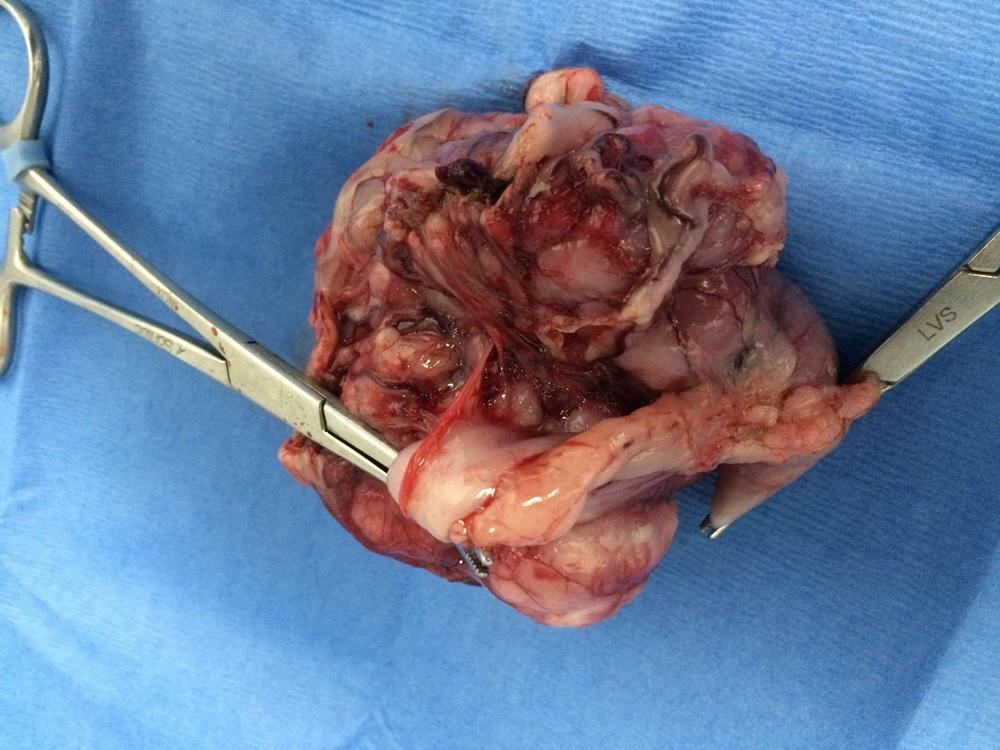
Cats gravitate toward stringy, stretchy objects — dental floss, sewing thread, yarn — and when a linear foreign body lodges around the base of the tongue, the rest of the material continues down the GI tract causing plication, an accordion-like bunching of the small intestine. Rubber bands and hair ties are another common culprit; one veterinarian reported removing nearly 20 hair bands from a single cat's stomach during surgery. Christmas tree ornament hooks, bits of clothing, and plastic pieces also show up. Over time, a lodged object triggers swelling, tissue damage, and potentially perforation of the GI lining into the abdomen. If you suspect an obstruction, addressing it within 24 hours is vital — protracted vomiting coupled with a decreased or absent appetite warrants an urgent veterinary visit.
Inflammatory Bowel Disease
IBD is possibly the most common chronic digestive disorder in cats, involving immune cells infiltrating and thickening the digestive tract. The most prevalent form, lymphoplasmacytic, occurs when lymphocytes and plasma cells accumulate; eosinophilic forms involve a different immune cell type. Signs creep in subtly — vomiting food or bile more than once or twice a month is abnormal, and hairball episodes at that same frequency may signal a vomiting disorder rather than normal grooming. What looks like "scarf and barf" that doesn't resolve with puzzle bowls or smaller meals deserves investigation. Weight loss tends to develop slowly over months and often doesn't appear until a cat reaches middle age or early senior years.
Small Cell Lymphoma Versus IBD
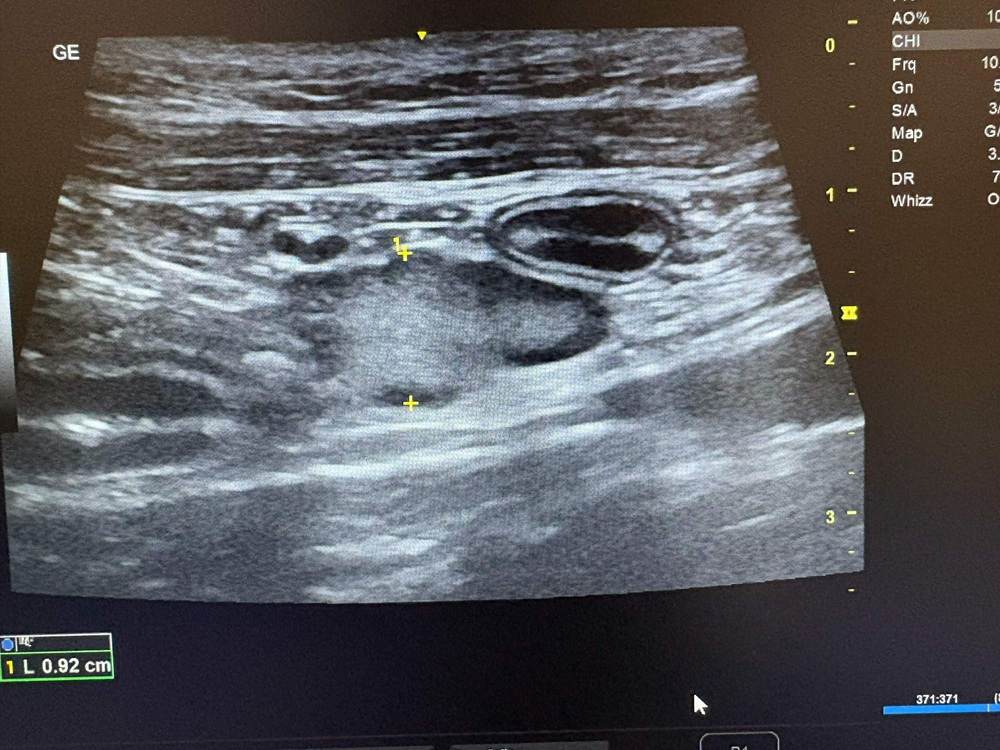
Small cell lymphoma infiltrates intestinal tissue diffusely and may not even cause noticeable wall thickening, making it extremely difficult to distinguish from advanced IBD without a full tissue biopsy. Many researchers believe IBD and small cell lymphoma represent two ends of the same spectrum of lymphocyte-driven inflammation. A common clinical approach: start with prednisolone. Cats with suspected small cell lymphoma typically improve initially on the steroid alone but resume losing weight over time, at which point the oral chemotherapy drug chlorambucil may be added. Many cats with this regimen can still be managed reasonably well for one to two years.
Large Cell Lymphoma
Unlike its small cell counterpart, large cell lymphoma presents as a very large, single mass in the stomach or intestines and can spread to regional lymph nodes and other organs including the kidneys. Feline leukemia virus (FeLV) is one suspected cause, even in cats that test negative for the virus. Weight loss from GI cancers typically occurs over weeks to a couple of months — noticeably faster than IBD-related decline — and cats may hide the disease until the tumor causes a blockage or severe wasting. Treatment starts with prednisolone; lomustine (CCNU) is a common oral chemo medication added afterward. Prognosis at best is often only six to seven months with treatment, and surgical removal of the mass generally does not improve outcomes enough to justify the added risk.
Constipation and Megacolon
The colon removes water from stool, so the longer material sits there, the harder and drier it becomes. Obesity, diabetes, kidney disease, and neuromuscular issues can all contribute. When an episode persists until stool can no longer be passed at all, it is called obstipation; repeated bouts stretch and dilate the colon, producing a condition called megacolon. Cats should typically have a bowel movement at least once daily — if you normally see regular stools and none appear for a day or two, monitor closely. The osmotic laxative powder Miralax in very small amounts mixed with food can pull water into the colon to ease passage; some chronically constipated cats take it daily. Never use phosphate-based enemas like Fleet on a cat — they are highly toxic and potentially fatal.
Acute Gastritis
Gastritis — inflammation of the stomach lining — often strikes suddenly from dietary indiscretion: dried leaves blown indoors, a new treat, or human food snatched from the kitchen. A cat that vomits once or twice then eats the next meal normally likely has a self-limiting case. Key rule: don't feed a cat immediately after vomiting; wait until the next scheduled meal a few hours later so the stomach has time to settle. If vomiting continues, a veterinary anti-nausea injection such as Cerenia can break the cycle, possibly paired with subcutaneous fluids if dehydration is present. Your vet may recommend several days of a highly digestible prescription food before returning to the regular diet.
Gastric and Intestinal Ulcers
An ulceration erodes the protective lining of the stomach or upper small intestine, exposing tissue to harsh acid and digestive enzymes that cause further damage. The two hallmark signs are coffee-grounds-like material in the vomit (indicating digested blood from stomach bleeding) and melena — black, sticky, tar-like stool that points to bleeding higher in the GI tract. Causes include non-steroidal anti-inflammatory medications, kidney failure, parasites, cancers, and anything reducing blood flow to GI tissue. Treatment involves acid-reducing agents like omeprazole or famotidine, plus the medication sucralfate, a chalky tablet dissolved in water that coats ulcers.
Colitis
Large intestinal diarrhea tends to be watery, frequent, and accompanied by tenesmus — straining to defecate with little or nothing coming out. Tenesmus is frequently mistaken for constipation, but the key difference is that with colitis, there is often no stool present at all, only urgency. Fresh red blood may appear because the colon does not digest blood the way the upper GI tract does; a useful rule of thumb is whether you see more stool than blood (less concerning) or more blood than stool (much more concerning). Fiber supplementation can be especially important for colon-focused inflammation, as it helps slow transit and bulk the stool.
IBS and Pandora Syndrome
Irritable bowel syndrome differs from IBD in that it is driven by pain, nerves, and stress rather than chronic inflammation or dietary allergy. In the early 2000s, Dr. Tony Buffington coined the term "Pandora Syndrome" to describe a disorder of the stress response system that can produce multiple symptoms in cats: diarrhea flare-ups, recurrent upper respiratory signs, skin conditions, obesity, and bladder inflammation. A similar link between stress, IBS, and interstitial cystitis exists in humans. Management centers on multimodal environmental modification — providing separate food, water, litter boxes, and hiding spots so the affected cat doesn't compete for resources, and placing those resources away from high-traffic areas. When stressors can't be removed, behavioral medication such as fluoxetine may help.
Diagnostic Tools: Bloodwork, Fecal Testing, and Ultrasound
Bloodwork reveals little about the GI tract directly but is critical for ruling out other causes — and a declining albumin level, when kidney disease is excluded, points to protein loss through a chronic GI disorder like IBD. Fecal PCR testing has largely replaced traditional egg counts, screening for multiple parasite types at once with high sensitivity; it should be run even for indoor cats with intestinal diarrhea. Ultrasound adds what X-rays cannot: a real-time view of tissue layering, wall thickening, tumors, and intestinal motility. Ileus — when forward GI motion freezes after severe digestive upset — can only be assessed this way. Ultrasound also guides needle sampling of suspicious lymph nodes or masses, which is how many cases of large cell lymphoma are first identified.
Compiled from published reference material: cats.com