Fat Marmot Week Spotlights Marmots' Battle Against Harsh Winters and Funding Gaps
Colorado's alpine marmots triple their body weight to survive, but a decades-long study reveals how climate and cash shortages threaten their future.
The First-Ever Fat Marmot Week Launches August 24
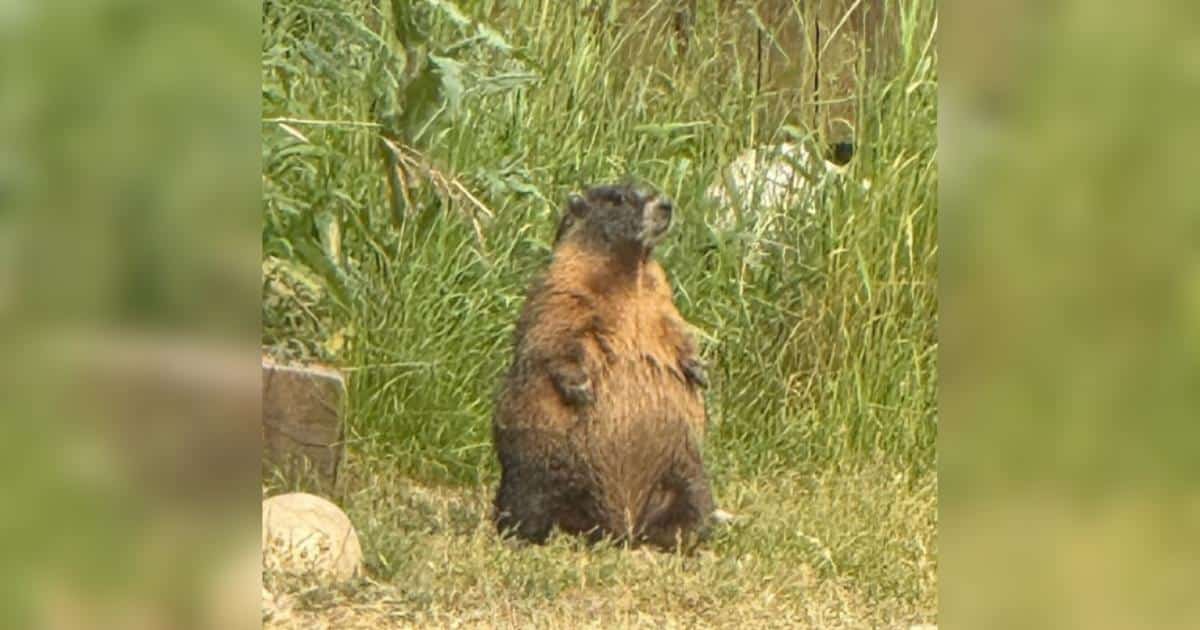
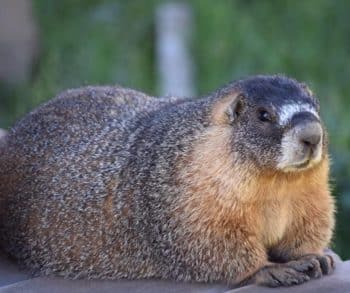
The Rocky Mountain Biological Laboratory in Gothic, Colorado, is borrowing Alaska's wildly successful Fat Bear Week playbook with a bracket-style marmot showdown running August 24 through August 29. The public votes head-to-head on which marmot deserves the title of chunkiest champion. In the weeks leading up to voting, organizers plan to introduce two contestants at a time on social media, letting fans build loyalty before the bracket opens. Katie Adler, a doctoral candidate helping lead the event, said the wider audience already connecting with the lab's research has energized the team. Unlike Fat Bear Week's salmon-fueled spectacle, this contest carries a grimmer undertone: every ounce a marmot packs on represents its best shot at surviving nearly five months of underground hibernation in subzero mountain conditions.
A Brutal Season Left Marmots Hungry and Exposed
This year's snow season stacked the deck against marmots before summer even began. Snowpack came in exceptionally low across the high country, and what snow did fall melted weeks earlier than usual. That early melt forced marmots above ground for longer stretches while searching for food — and for longer exposure to predators like golden eagles and coyotes that patrol alpine meadows. Worse, the diminished snowpack translated directly into fewer wildflowers blanketing the summer meadows. Wildflowers are one of the marmots' primary food sources, and without a normal bloom, the animals faced a significantly harder time building the fat reserves they depend on. For a species whose entire survival calendar hinges on a handful of productive summer months, losing feeding days and food supply at the same time compounds into a serious population threat.
This Is One of the Longest Wildlife Studies on Earth
The Rocky Mountain Biological Laboratory has been tracking marmots continuously since 1962, making the project one of the longest-running wildlife research efforts in the world. Sixty-plus years of uninterrupted observation have allowed scientists to document how climate patterns, predator cycles, food availability, and habitat changes affect marmot populations across generations. That kind of longitudinal data is extraordinarily rare in ecology because it demands consistent funding, institutional stability, and researchers willing to spend summers in Gothic, Colorado. The decades of records have produced insights into animal behavior, aging, and environmental adaptation that shorter studies simply cannot capture. Emily Renkey, a master's student helping organize Fat Marmot Week, said the team is now grappling with growing uncertainty about how to keep the monitoring alive.
Long-Term Research Funding Is Drying Up
Sustaining a wildlife study for six decades requires money that arrives reliably, year after year — and that is exactly what researchers say has become harder to secure. Renkey noted that broader reductions in research funding have made continuing multi-decade monitoring projects increasingly precarious. The marmot study's value lies in its continuity: gaps in data collection would compromise the ability to detect long-term trends in survival, reproduction, and climate response. Unlike a short-term experiment that can pause and restart, a longitudinal wildlife project loses its power the moment observations stop. The funding squeeze is what pushed the lab toward creative outreach campaigns like Fat Marmot Week in the first place — generating public enthusiasm that might translate into donations and grant visibility. Researchers describe the situation as a choice between innovation and watching decades of work quietly expire.
An OnlyFans Account and a Marmot-Themed Beer
Desperation breeds creativity. Dan Blumstein and his team launched an account called OnlyMarms on OnlyFans, posting family-friendly marmot videos designed to attract donations through the platform's tipping features. The move generated considerable curiosity online, though Renkey said it has not yet become a reliable revenue stream. Separately, the lab partnered with Irwin Brewing Company in nearby Crested Butte to produce a marmot-themed beer called Marmot Tears, giving supporters a tangible way to engage with the project while contributing funds. Both campaigns reflect a research team willing to abandon academic convention in order to keep a scientific institution functioning. Fat Marmot Week itself is part of this same strategy — packaging rigorous field science inside a voting competition that might reach people who have never heard of Gothic, Colorado, or the squirrel family's largest species.
Marmots Are a Barometer for Alpine Ecosystem Health
The stakes of Fat Marmot Week extend well beyond which animal looks most impressively round in a photograph. Blumstein emphasized that marmots serve as valuable indicators of overall alpine ecosystem health — their population trends reflect changes in vegetation, snowpack, temperature, and predator dynamics that affect every species sharing the mountain environment. When marmot numbers decline, it signals that something fundamental in the high-country food web is shifting. Colorado's alpine meadows sit at the frontline of climate change, warming faster than many lower-elevation habitats. Tracking a single species since 1962 gives researchers a detailed proxy for how the entire ecosystem responds to those changes. Protecting marmots, in other words, means protecting the broader web of wildflowers, insects, birds, and mammals that depend on the same fragile above-treeline landscape — landscapes that are disappearing quietly across the American West.
Every Ounce Gained Is a Bet on Spring
The human appeal of Fat Marmot Week is obvious: watching a pudgy rodent stuff its face with wildflowers is genuinely entertaining. But the competition exists because the biology is dramatic. Each marmot that enters the bracket represents a successful gamble against starvation, predation, and environmental uncertainty. The animals that emerge largest in late August are the ones most likely to survive hibernation and reappear when snow finally recedes the following spring. For the researchers who have watched individual marmots across entire lifetimes, the annual weight-gain race carries real emotional weight alongside the science. Adler said the team hopes the event inspires people not just to vote but to understand what those growing waistlines actually mean — resilience measured in ounces, against winters that last five months, in ecosystems changing faster than any previous generation of marmots has faced.
Compiled from published reference material: iheartdogs.com