When Your Dog Starts Slowing Down: What to Do About Stiff Joints
Those subtle changes in your dog's gait signal something real — and there are concrete steps beyond medication that can help.

The Jump That Never Came
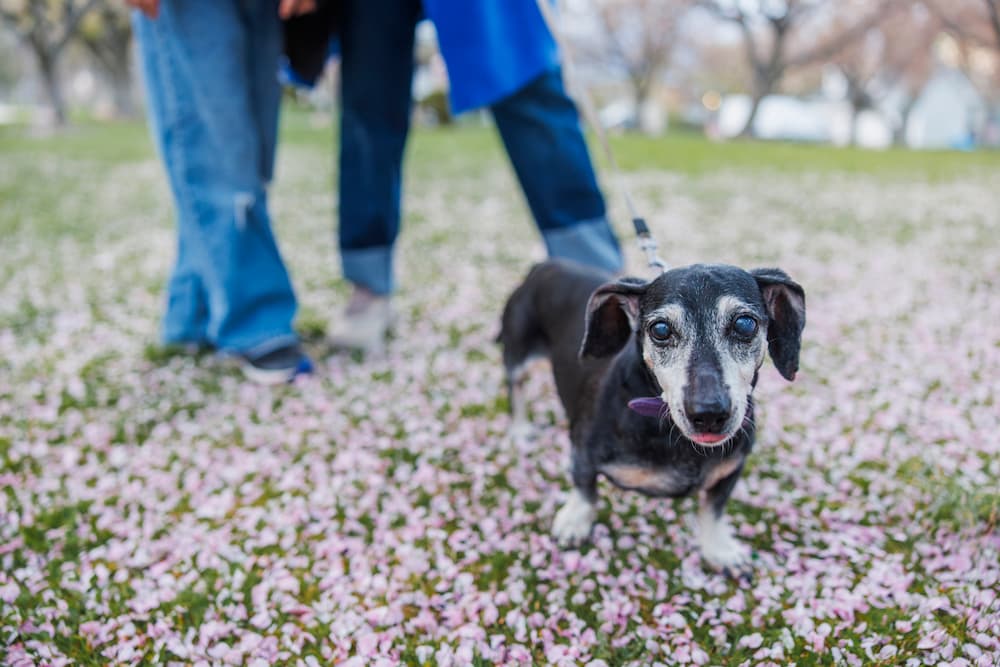
It often starts with something small. A dog who used to vault into the back seat now stands at the door, measuring the distance. A walking partner who once tugged the leash forward now drifts half a pace behind. These shifts are easy to chalk up to mood or stubbornness, but veterinarians point to joint stiffness as one of the most frequent concerns they hear from owners of aging dogs.
The causes stack up over a lifetime. Osteoarthritis leads the list, but old injuries, inherited predispositions, years of repetitive impact, and excess body weight all compound each other. None of these factors operates in isolation — a Labrador who tore a cruciate ligament at four and gained five extra kilos by eight is carrying a much heavier load than the numbers suggest.
Medication can relieve symptoms, yet it rarely addresses the full picture on its own. Veterinary practice increasingly leans on what practitioners call a multimodal approach: layering diet adjustments, controlled exercise, physical therapy, and targeted supplementation so that several mechanisms of support work in parallel.
How a Healthy Joint Actually Works
A functioning joint is a precision instrument. Bone ends are capped with smooth cartilage that absorbs shock and lets surfaces glide past one another without friction. Synovial fluid — a thick, honey-like liquid bathes the cavity and keeps everything lubricated. Ligaments tether bone to bone for stability; surrounding muscles absorb force and control range of motion.
Age, repetitive strain, or acute trauma can erode this system piece by piece. Cartilage thins and roughens. Inflammatory chemicals accumulate in the joint capsule. Synovial fluid loses viscosity and no longer cushions as effectively. The result is stiffness that an owner first notices as a slow rise from a nap or reluctance on stairs.
Understanding the anatomy matters because it explains why no single intervention fixes every problem. A supplement that supports cartilage will not rebuild lost muscle strength; an anti-inflammatory diet will not replace degraded lubricating fluid. Addressing joint health demands a toolkit, not a single tool — and the most effective plans combine several strategies that target different parts of the same biological system.
Supplements That Target Cartilage and Lubrication
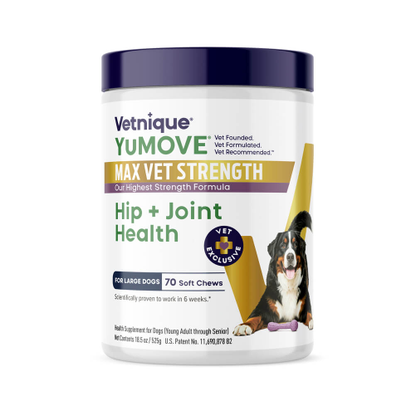
Joint supplements are among the first recommendations many veterinarians make once stiffness becomes apparent. Formulations vary, but the most studied ingredients work on cartilage structure, fluid lubrication, and the body's inflammatory response.
Glucosamine, chondroitin sourced from green-lipped mussels, and N-acetyl glucosamine (NAG) support the production of molecules that maintain cartilage integrity. Green-lipped mussels also deliver omega-3 fatty acids that help modulate inflammation. Hyaluronic acid, a natural component of synovial fluid, contributes directly to joint lubrication. Vitamins C and E function as antioxidants that neutralize free radicals generated by chronic inflammation.
Patience is non-negotiable. Active ingredients need time to accumulate in the bloodstream and reach therapeutic levels; even well-formulated products require several weeks of consistent daily use before owners typically notice improvement. The payoff, when supplements are paired with exercise and weight control, can be substantial — but the timeline runs on biology, not wishful thinking.
Omega-3 Fatty Acids: The Anti-Inflammatory Workhorse
Among all nutritional interventions for stiff joints, omega-3 fatty acids — specifically EPA and DHA derived from fish oil — carry the strongest body of clinical evidence in dogs. Research on arthritic dogs fed diets enriched with these fatty acids documented measurable gains in both mobility and weight-bearing ability, giving veterinarians a concrete reason to recommend them.
Sources include standalone fish oil supplements, prescription joint diets formulated by veterinary nutritionists, and joint products that use marine ingredients such as green-lipped mussel. The delivery method matters less than consistency: omega-3 fatty acids must be part of the daily routine to exert their anti-inflammatory effect over time.
One important nuance: the ratio of omega-3 to omega-6 fatty acids in a dog's overall diet influences how aggressively the body mounts an inflammatory response. Many commercial kibbles skew heavily toward omega-6. Adding a dedicated omega-3 source helps rebalance that ratio and, in doing so, addresses one of the biochemical drivers behind chronic joint inflammation.
Building the Plan: Layering Strategies That Compound
No single measure — not medication, not supplementation, not weight loss alone — delivers the same result as several measures working together. Veterinary professionals describe this as the multimodal model, and the analogy is mechanical: a car runs best when the oil is fresh, the tires are aligned, and the brakes are responsive simultaneously. Neglect one system and the others compensate poorly.
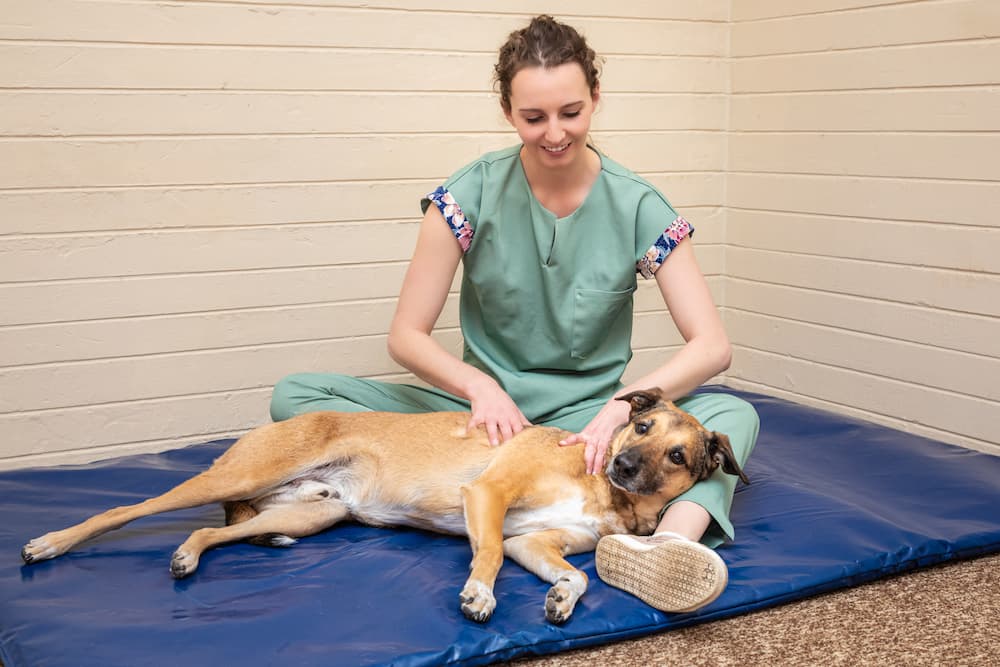
In practice, that might look like a senior dog receiving a daily joint supplement rich in glucosamine and hyaluronic acid, eating a diet adjusted for calorie density and omega-3 content, taking controlled leash walks of twenty to thirty minutes on forgiving surfaces, and visiting a veterinary physiotherapist for targeted range-of-motion exercises twice a month. Medication enters the picture when pain or inflammation exceeds what lifestyle changes can manage on their own.
The encouraging takeaway is that owners hold far more influence over their dog's comfort than they often realize. Diet, body condition, and daily movement patterns are levers available in every household — and when they are pulled together, the cumulative effect on mobility can be the difference between a dog who hesitates at the door and one who bounds through it.
Compiled from published reference material: www.greatpetcare.com