Why Your Cat Sits Like a Loaf of Bread – and When It's a Red Flag
The viral cat loaf is more than a meme; it's a key to understanding feline comfort and catching early signs of health trouble.
The Internet's Favorite Feline Pose
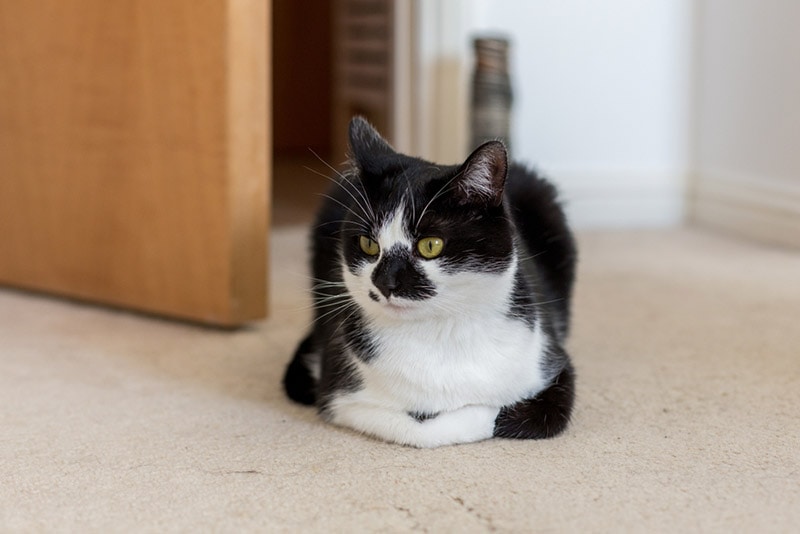
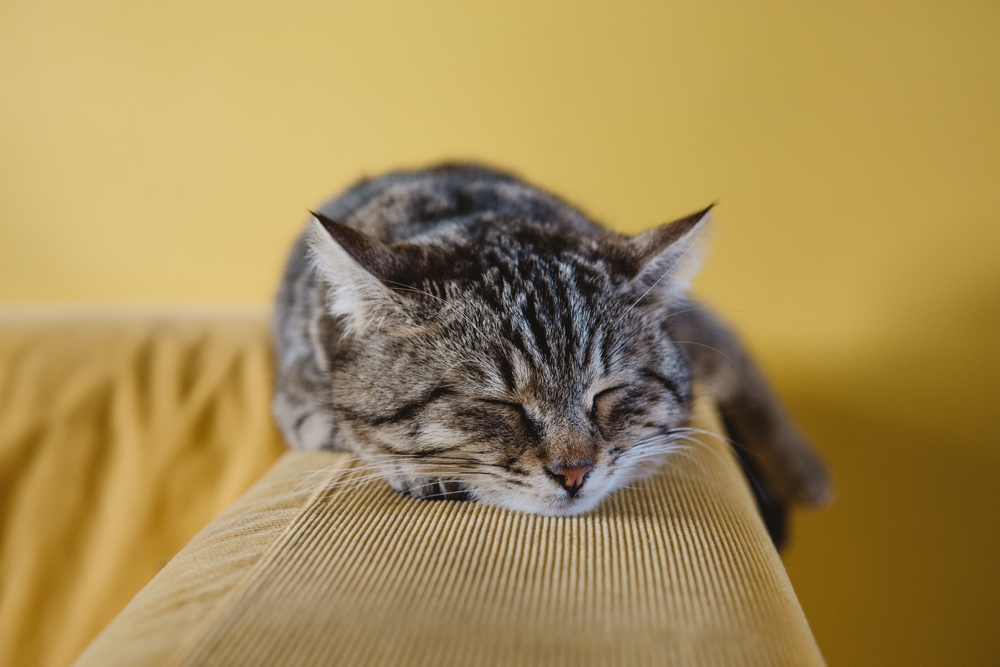
Few images dominate cat-centric social feeds like the loaf: a feline sitting with all four paws folded neatly underneath, tail wrapped in, forming a perfectly rectangular, limbless shape. This compact posture has generated countless memes and fan accounts, but its prevalence overshadows a deeper story. Far from being a random quirk, the way a cat settles into this position offers a direct window into its emotional state and physical health. While some cats loaf constantly, others rarely adopt it, making individual variation a key factor in decoding its meaning.
Anatomy of a Perfect Loaf
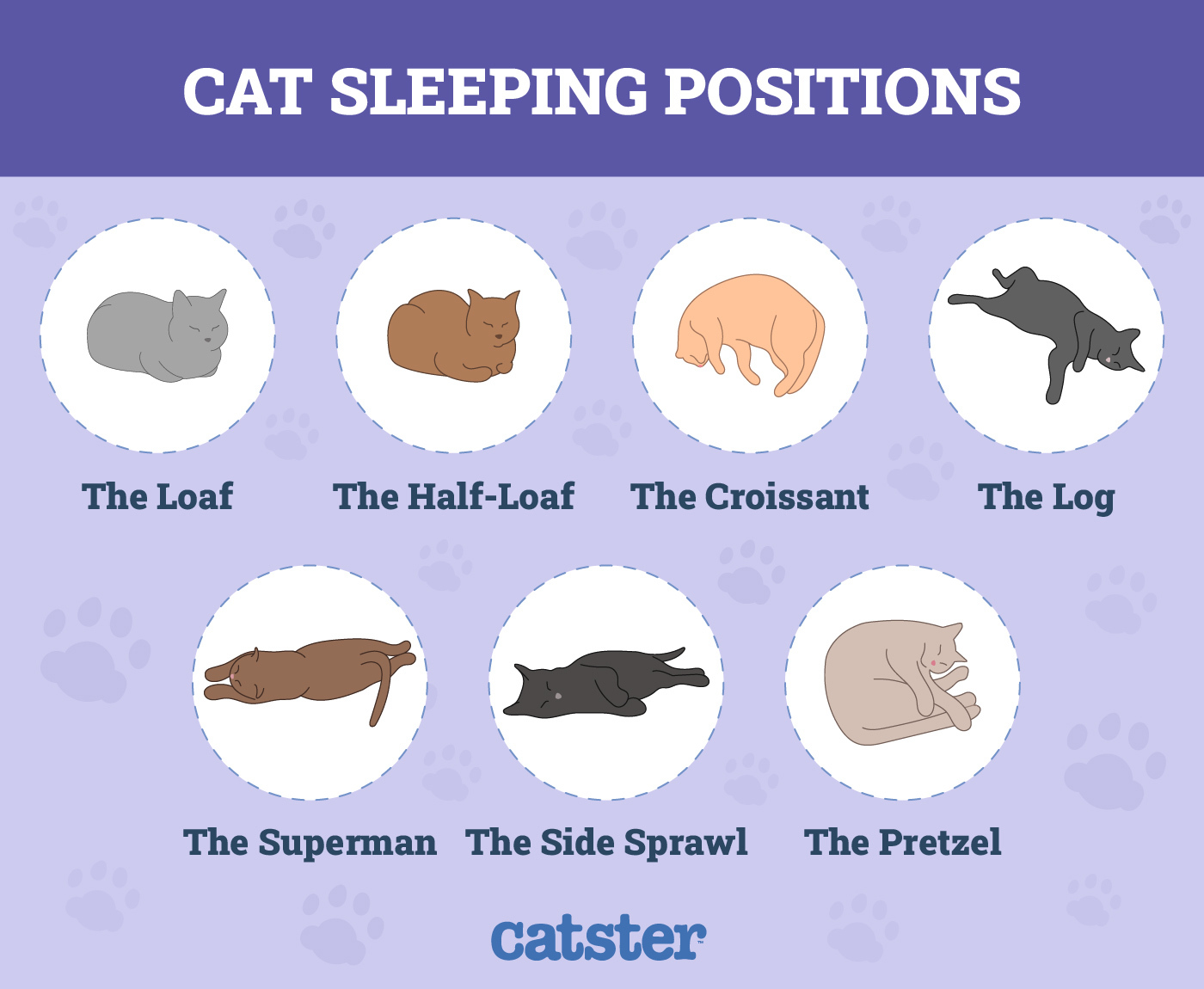
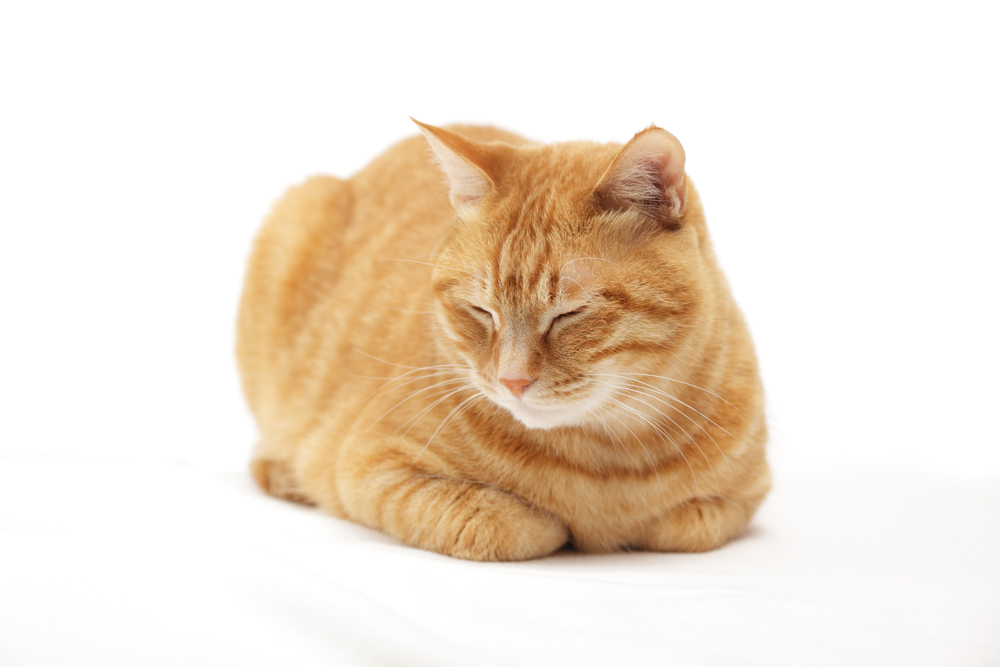
The defining feature of the cat loaf is its seamless form: no paws, tail, or limbs are visible, creating a self-contained, boxy silhouette. This posture requires minimal muscular effort to maintain, as the body weight is evenly supported. Cats may loaf on any surface, though softer environments like blankets can make the position more sustainable for long periods. The significant variation between cats—some defaulting to the loaf almost every time they rest, others avoiding it entirely—highlights that this is often a matter of personal comfort preference, not a universal behavioral standard.
A Signal of Security and Trust
When a cat chooses the loaf, it is making a conscious declaration of safety. In this tucked position, the feline is not braced to run or defend itself; rising quickly from a full loaf takes a moment, indicating the cat does not anticipate needing to move in a hurry. Since cats are naturally vigilant animals, opting for a posture that puts them at a slight physical disadvantage is a strong indicator they feel genuinely secure. This makes the loaf a reliable barometer of a stress-free environment, reflecting deep trust in their surroundings.
The Science of Staying Warm
Cats run warmer than humans and are adept at conserving body heat. The loaf is a masterclass in thermoregulation: by tucking all four paws beneath the body, they drastically reduce the surface area exposed to cooler air. This behavior is commonly observed when a cat has just come in from outside or is resting in a cooler part of the house. A feline that consistently loaves near heat sources like vents or radiators is engaging in predictable heat-seeking behavior, a sign of comfort rather than concern, provided no other red flags are present.
When a Relaxed Pose Signals Distress
Most loafing is benign, but the posture can occasionally mask a medical emergency. During respiratory distress, a cat may press its chest and belly flat to maximize lung capacity, mimicking a loaf. The critical difference lies in accompanying signs: heavy or audible breathing where the abdomen visibly moves with each breath, lethargy, coughing, refusal to eat, pale gums, and cold extremities. Unlike a relaxed loaf with sleepy eyes and steady breathing, this distress-driven posture requires immediate veterinary attention. A sudden onset of loafing, especially with changes in appetite or litter box habits, can also signal hidden pain or illness.
The Purring Paradox and Owner Vigilance
Do not let purring lull you into a false sense of security. While content cats often purr in any position, including the loaf, cats in significant pain or distress may also purr. Therefore, a purring loaf showing signs like labored breathing or lethargy is not automatically healthy and warrants a vet consultation. Owners should monitor for shifts in their cat's typical behavior patterns. The loaf, when combined with other health signals, provides actionable insight, empowering you to distinguish between a moment of pure feline contentment and a subtle cry for help.
Compiled from published reference material: www.catster.com