The Cat House on the Kings: A Deep Dive into Feline Rescue and Sanctuary Life
From Lynea Lattanzio's radical act to a 12-acre haven, explore the cage-free philosophy, daily routines, financial challenges, and future aspirations of this unique sanctuary.
Lynea Lattanzio's Radical Act of Feline Altruism
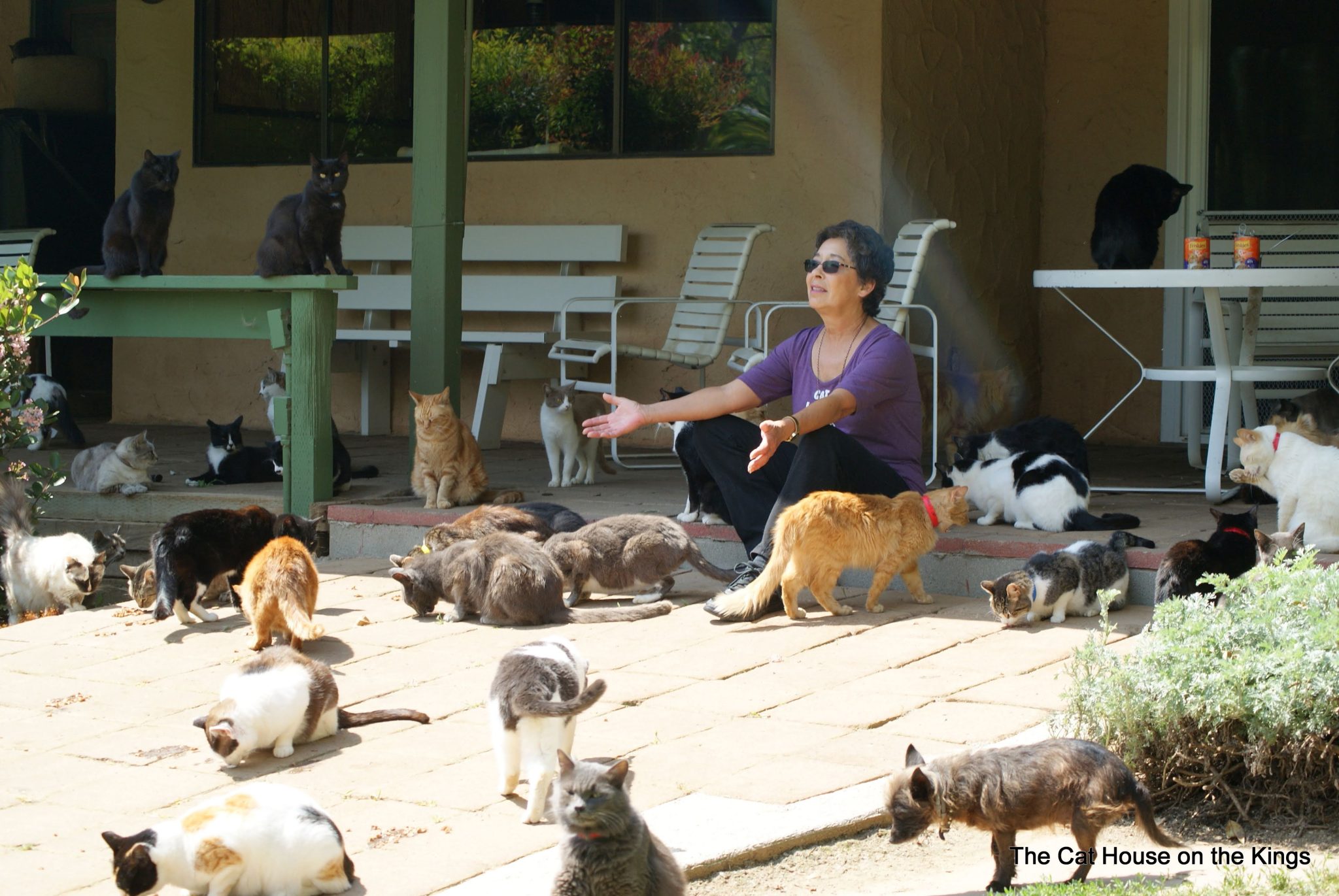
More than 34 years ago, Lynea Lattanzio purchased a 12-acre property along California's Kings River as a retirement home. After helping her father adopt a kitten from local animal control, she began fostering and rehoming cats. When adoptions slowed, her foster family grew, and to better care for them, she trained as a veterinary technician. Using her retirement savings, selling her Mercedes-Benz, and even her diamond ring, she funded fencing and housing, birthing The Cat House on the Kings. Over 34 years, it has saved an estimated 54,358 cats and 7,936 dogs, while facilitating over 102,000 spay and neuter surgeries. Lattanzio’s vision was to let cats live as they would in a home, not in cages. Today, about 800 cats and kittens roam freely across the sanctuary, alongside six dogs and peacocks.
The Cage-Free Philosophy Where Cats Own Everything
At this refuge, the no-cage policy grants cats free rein of the property. They climb trees, sleep on countertops, and use cat doors installed throughout buildings. The sanctuary features about 15 feeding stations where fresh canned food is delivered every morning, with dry kibble and water constantly available. Specialized areas cater to different temperaments: the Pasture Project for nervous cats who avoid humans, and river-side structures for felines who prefer waterfront living. All spaces are weather-adapted with heating in winter and fans or misters in summer. Staff are trained to 'think like a cat,' adapting to individual habits—beds are placed in storage areas because cats claimed them, and the former dining room now serves as litter box central. This setup ensures every cat can live comfortably without confinement.

Beyond No-Kill: A Commitment to Lifetime Care and Spay/Neuter
The sanctuary’s no-kill policy guarantees that every cat lives out its life there unless adopted, with a lifetime return guarantee if adopters can no longer provide care. However, staff emphasize that "no-kill" is only part of the mission; preventing overpopulation through spay and neuter is critical. The Cat House has helped provide or subsidize over 102,000 spay and neuter surgeries for the local community, often at low or no cost. In California’s Central Valley, where cat overpopulation is acute, this work aims to stop the "flood" of unwanted animals. The sanctuary takes in about 800 cats and kittens, but expanding low-cost spay/neuter services remains a top priority to reduce intake numbers. This approach balances rescue with prevention, addressing root causes rather than just symptoms.
The Daily Routine of Caring for 800 Cats
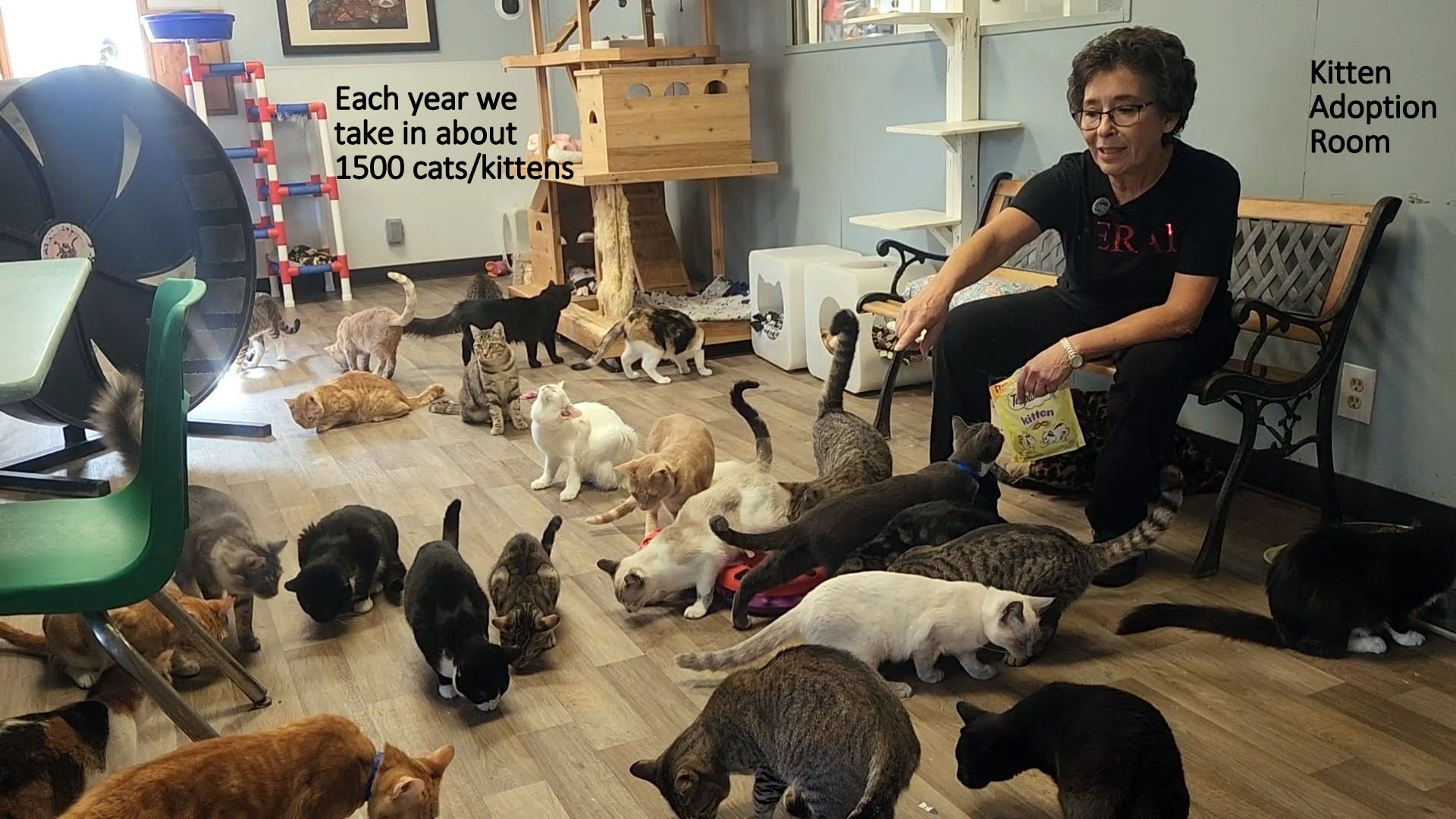
Each day at the sanctuary begins with feeding at 15 stations across the property, where fresh canned food is served while dry food and water are constantly refreshed. Cleaning is non-stop: beds are washed, litter boxes scooped, and buildings sanitized. The veterinary team monitors cats for health issues, with dedicated caretakers for areas like Seniors, FIP, FeLV, FIV, and Kittens. New arrivals are assessed, vaccinated, spayed or neutered, microchipped, and given personal files before joining the general population. Health rounds involve observing behavior, as cats often hide illness. Tours and adoptions are limited to afternoons to minimize disruption. Staff note that understanding individual cat preferences—where they sleep, whom they socialize with—is key. For example, cats who favor the river have structures there, and heating or cooling is adjusted seasonally.
Financial Struggles and the Kitten Season Crisis
Running a sanctuary for 800 cats requires substantial funding, but grants are shrinking and donations decline as living costs rise. In the Central Valley, kitten season seems to lengthen each year, straining resources. The Cat House addresses this by recruiting foster families before the influx, allowing kittens to be raised in homes while freeing on-site space. Volunteers and donations for medical care and supplies are always needed. The sanctuary also mentors other rescues worldwide, sharing knowledge on cage-free housing and operations. Despite challenges, the team focuses on solutions like expanding spay/neuter access. Beth, a staff member for over 13 years, notes that saying "yes" to a cat means years of care, so capacity is carefully managed to ensure quality of life for all residents.
Unforgettable Feline Residents and Their Stories
James Bond, a cat with a neurological condition, was adopted by a honeymooning Australian couple who couldn’t forget him; they worked out adoption logistics to bring him to Australia. Eyebrows, a cat from Saudi Arabia, became an unofficial tour guide following founder Lynea around and greeting visitors. Oddie, a beloved sanctuary cat, welcomed everyone with chatter and nursed on fingers like a bottle baby; he passed in 2021, leaving a void. These stories highlight the sanctuary’s global reach and the deep bonds formed. Each cat receives personalized care, with individual files tracking history, personality, and medical updates. Special cases, like cats with FIP, receive dedicated treatment housing with impressive success rates. The sanctuary’s no-cage environment allows such personalities to flourish.
Future Goals: From the White House to a Spay/Neuter Clinic
Looking ahead, The Cat House plans to build the 'White House,' specialized housing for cats with low melanin, such as white cats, who are more susceptible to skin cancer. A partnership with Colorado State University studies feline chronic gingivostomatitis to improve treatments for this painful disease. Another dream is constructing a spay and neuter clinic on the property to directly combat overpopulation in the community, as the sanctuary has already helped provide or subsidize over 102,000 such surgeries. The Open House event, a fundraiser and 'friendraiser,' gives visitors a chance to experience the sanctuary; in recent years, cats have eagerly awaited guests, with many lining up at the gate and hopping from lap to lap to soak up attention. These initiatives aim to expand the sanctuary’s impact, from medical care to community education, ensuring long-term sustainability. Readers can support these goals by donating to fund spay/neuter services, sponsoring a cat, or volunteering their time, helping to provide lifetime care for hundreds of cats.
Global Mentorship and Community Education
This sanctuary mentors rescues worldwide, helping them transition to cage-free models and improve operations. Locally, education is prioritized through scheduled tours and the annual Open House, which draws hundreds of visitors and lets cats interact with the public—some line up at the gate to greet guests. Staff emphasize that warehousing animals isn’t a solution; instead, funding spay and neuter at all animal control budgets is essential to address overpopulation, with the sanctuary having subsidized over 102,000 such surgeries. Numbers show its impact: saving 54,358 cats and 7,936 dogs over 34 years, while currently caring for about 800 cats in a no-cage environment. The sanctuary’s website and social media share adoptable cats and resources, reaching an international audience. Beth notes that seeing the work firsthand changes perspectives on animal welfare. By fostering community involvement, the sanctuary aims to create a network of informed advocates who support sustainable rescue practices and systemic solutions to cat overpopulation.

The Emotional Core: Why This Work Matters
For staff like Beth, who has worked at the sanctuary for 13 years, the rewards come from seeing care reflected in both cats and humans. Watching foster kittens grow into beloved pets brings "happy tears." The sanctuary instills values in children, showing the impact of investing in animal welfare. Every cat has a safety net: if adopted and later in need, The Cat House will take them back. This sense of family extends to staff and volunteers who share deep love for animals. Stories like Oddie’s comforting presence during hard times illustrate the emotional sustenance these cats provide. The work is demanding, but the bonds formed—between cats, between humans and cats—make it profoundly fulfilling and a testament to compassionate care.
How to Visit, Foster, or Support The Cat House on the Kings
Schedule a tour by calling (559) 638-8696 (Option 1); visits are limited to afternoon hours to allow morning wellness routines and reduce stress on the cats. The annual Open House offers a chance to meet residents and support fundraising, with cats often greeting guests at the gate. Fostering applications online help manage kitten season, as homes are recruited before the influx arrives, providing crucial temporary environments. Donations through the website fund medical care and spay/neuter initiatives—over 102,000 surgeries have been subsidized to date. Volunteers assist daily operations, including feeding at 15 stations, cleaning beds, and observing cat behaviors, learning to 'think like a cat' for personalized care. Following on social media and subscribing to the newsletter keep supporters updated on events and needs. By getting involved, individuals help sustain this cage-free sanctuary, where cats live freely and receive lifelong care, directly supporting the mission to save thousands of cats.
Compiled from published reference material: www.catster.com