Beyond the Shelter Stigma: How Scrutinized Dogs Can Forge Deepest Trusts
The journey of repeatedly returned shelter animals like Savannah challenges quick judgments, revealing how medical clarity, structured patience, and environmental stability transform apparent problems into profound, resilient bonds.
1. The 'Unadoptable' Label Often Misreads Temporary Setbacks
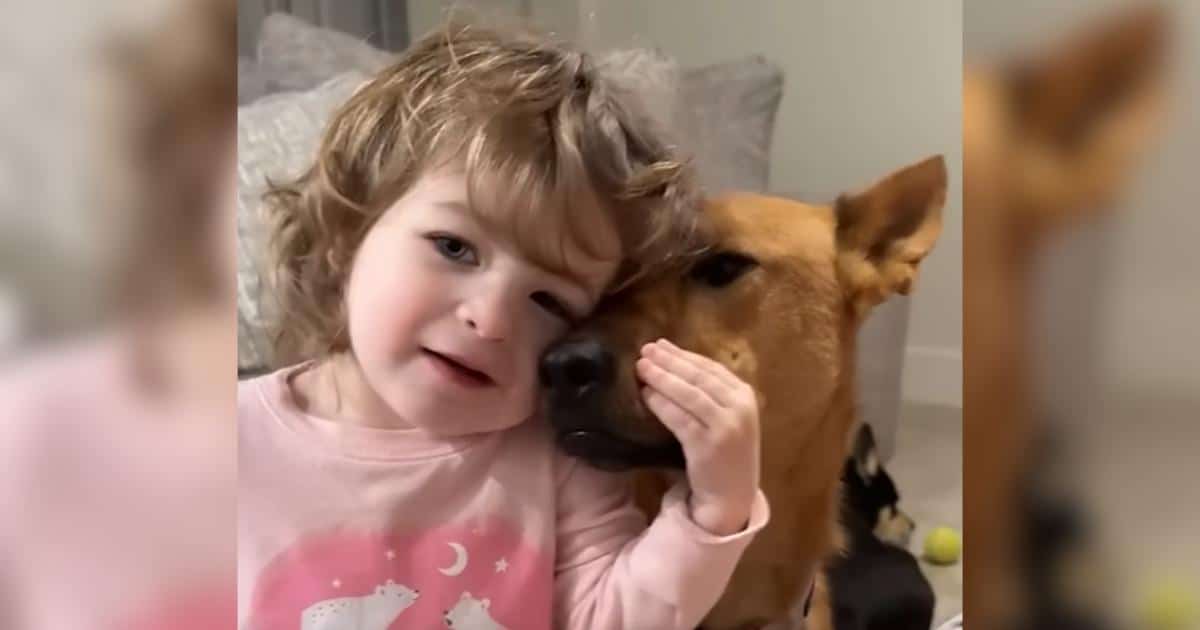
Savannah was labeled unadoptable after being returned to the shelter four times, primarily due to chronic stomach issues and what adopters perceived as behavioral problems. However, the shelter staff saw her gentle demeanor and knew she deserved another chance. This history illustrates that such labels frequently arise from temporary setbacks, such as medical conditions or mismatched family expectations, rather than permanent flaws in the dog's character. In practice, dogs like Savannah are often overlooked, but when placed with families who understand their needs—whether through examining medical records or assessing compatibility—they can flourish. Adopters should scrutinize the specific reasons for a dog's return, focusing on factors like health issues that can be managed, rather than dismissing them based on labels alone. Savannah's transformation proves that a dog's past does not determine its potential for loyalty and affection, and many shelter success stories involve dogs who were initially returned multiple times.
3. Pregnancy Periods Can Cultivate Instinctive Dog-Human Bonds
During pregnancy, dogs like Savannah can form deep, instinctive bonds with their owners by staying close and observing changes with calm curiosity. Savannah shadowed Stephanie from room to room, resting beside her and monitoring her condition, as if anticipating the new arrival. This natural integration helps reinforce the dog's sense of belonging within the family. Families can encourage these connections by allowing dogs to participate in daily routines, gradually introducing baby items, and rewarding calm responses. Savannah's presence through every prenatal milestone built a foundation of trust that prepared her for Charlie's birth. Her calm curiosity during pregnancy set the stage for a seamless transition when the baby arrived, highlighting how early involvement fosters long-term protective relationships, as seen when Savannah became a gentle guardian.

4. Calm Temperaments Make Ideal Companions for Young Children
Savannah's calm temperament was evident from the moment Charlie was born; she approached him with gentle fascination, carefully watching his movements without intruding. As he grew, she remained patiently by his side, offering quiet protection during play and rest. This innate gentleness, not tied to any specific breed, makes some dogs ideal for families with young children. When assessing compatibility, adopters can observe how a dog responds to noise, sudden movements, and supervised interactions, looking for signs of patience and calmness. Savannah, for instance, never sought the spotlight but found contentment simply being near her little human, demonstrating that temperament is the cornerstone of a harmonious family integration. Her ability to adapt to a child's needs highlights the importance of matching energy levels and dispositions.
5. Structured Patience Accelerates Rehabilitation from Past Trauma
Helping a dog like Savannah recover from the anxiety of multiple returns requires structured patience and compassion. Stephanie avoided punishment for setbacks and consistently used positive reinforcement, rewarding calm behavior to build confidence. This approach involved setting up predictable routines, offering safe spaces, and allowing gradual exposure to new experiences at the dog's own pace. Over time, Savannah's guarded demeanor softened, and she became a confident family member, showing how patient guidance can reshape a dog's response to its environment. Her transformation from a shelter dog labeled as difficult to a beloved companion underscores that resilience is cultivated through kind, consistent training that prioritizes emotional security. Savannah's journey from fear to trust illustrates the profound impact of sustained, gentle care on a dog's rehabilitation.
6. Dietary Management Is Key to Controlling Gastrointestinal Issues
Managing gastrointestinal issues in dogs like Savannah involves careful observation to identify triggers such as dietary sensitivities or allergies. By implementing a controlled feeding plan with small, frequent meals in a calm setting, adopters can often stabilize the dog's health. Savannah's recurring stomach problems, which led to her being returned four times, improved significantly when her diet was consistently monitored in a stable home. This proactive approach highlights that chronic health challenges are manageable with patience and tailored care. As Savannah's well-being improved, her true calm and affectionate temperament emerged, demonstrating that addressing underlying medical conditions can transform a dog's behavior and quality of life. Her case emphasizes the need for persistent dietary attention to reveal a dog's authentic nature.
Positive Reinforcement Reshapes Behavior Linked to Fear or Instability
Behavioral issues in dogs like Savannah often arise from fear and instability, not defiance. Savannah was returned to the shelter four times, with each family citing either stomach problems or what they believed were behavioral difficulties. The critical detail: each return was driven by circumstances that had little to do with her personality. Medical issues, mismatched expectations, and a lack of understanding about her needs all played a role—circumstances that would unsettle any dog. Each rejection made it harder for the next family to see past the accumulated pattern. Stephanie addressed this not with specialized protocols, but with the one resource Savannah had never been given long enough to trust: a stable, compassionate routine. She focused on understanding rather than judgment, rewarding Savannah's calm presence with the security of a permanent home. The mechanism is practical: when a dog stops anticipating upheaval, the behaviors rooted in that anxiety begin to fade. Savannah's stomach issues, which had discouraged four previous adopters, no longer overshadowed the affectionate companion she had always been beneath the stress. A reader facing a similar situation can start by reframing the problem—recognizing that what looks like a difficult dog may actually be a frightened one, and that patience measured in weeks and months, not days, is the timeline on which real change happens. Savannah did not need to become a different dog. She simply needed someone willing to stay.
8. Successful Adoptions Match Dog Needs with Family Lifestyles
Savannah's journey from four failed placements to a loving home with Stephanie underscores the importance of matching a dog's needs with a family's lifestyle. Stephanie understood Savannah's medical issues, such as chronic stomach problems, and her need for patience and stability. Effective adoption matching requires evaluating a dog's exercise requirements, health care needs, and temperament against a family's daily routine and living situation. Families with young children, for example, should seek dogs with gentle, calm dispositions like Savannah's. Her integration into the family, where she became a devoted protector for Charlie, shows that informed compatibility leads to long-term success. This case proves that when adopters prioritize understanding and meeting a dog's specific needs, the result is a harmonious and lasting bond.
A Stable Home Environment Unlocks a Dog's Authentic Personality
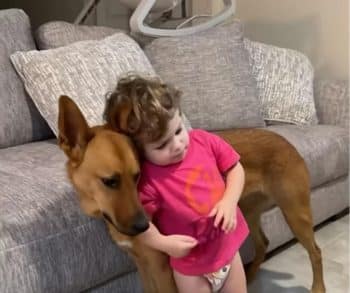
A stable home environment provided the security Savannah needed to reveal her authentic personality. Before Stephanie adopted her, Savannah had been returned to the shelter four times—each departure reinforcing the uncertainty she carried. In Stephanie's care, something shifted. The change began before Charlie was even born: Savannah followed Stephanie from room to room, settled beside her whenever she rested, and seemed happiest simply being close, her quiet curiosity suggesting she sensed a new family member was on the way. When Charlie arrived, she approached the newborn with gentle fascination, watching every movement with careful attention and quiet affection. Over the following years, she stayed beside Charlie as he learned to crawl, walk, and explore the world—never competing for the spotlight, always calm and incredibly gentle. Family members often found the pair side by side whether Charlie was playing with toys or reading books. She stepped naturally into the role of protective big sister, and the bond between them grew stronger with every passing year. The stomach problems that had discouraged earlier adopters no longer defined her. Charlie grew up with a loyal best friend who offered comfort and unconditional love, and Savannah finally experienced the security she had been searching for throughout her life. A permanent, loving home did not change who Savannah was. It allowed who she was to finally show.
Shelter Returns Rarely Tell the Full Story
Shelter returns rarely tell the full story of a dog's character. When Savannah was brought back to the shelter four separate times, the pattern might have suggested a difficult animal. In reality, the reasons had little to do with who she really was. She suffered from ongoing stomach issues that required more patience than some families were prepared to offer, and what others interpreted as behavioral problems were likely responses to an environment that kept changing beneath her. Shelter staff recognized the distinction: some of their best success stories come from dogs who were overlooked or returned multiple times. Once those dogs are matched with families who understand their personalities, exercise needs, or medical care, they often thrive in ways that were not possible before. Savannah's case followed that pattern exactly. Four families decided she was not the right fit. One woman—Stephanie—chose to see past the labels. She believed every animal deserved someone willing to understand them rather than judge them, and she trusted her instincts even while preparing for her first child. That single decision changed everything. Today Savannah is a beloved family dog and a devoted protector, proof that a dog's past does not predict its future. The returns did not define her character. They simply reflected that she had not yet found the family that understood her needs.
Compiled from published reference material: iheartdogs.com