American Bobtail Cats: The Real Price, Health Risks, and Care Essentials
Vet Dr Rebecca MacMillan sheds light on hypoallergenic claims, spinal concerns, grooming needs, and why this breed comes with a $600–$1,200 price tag.
Are American Bobtail cats hypoallergenic?
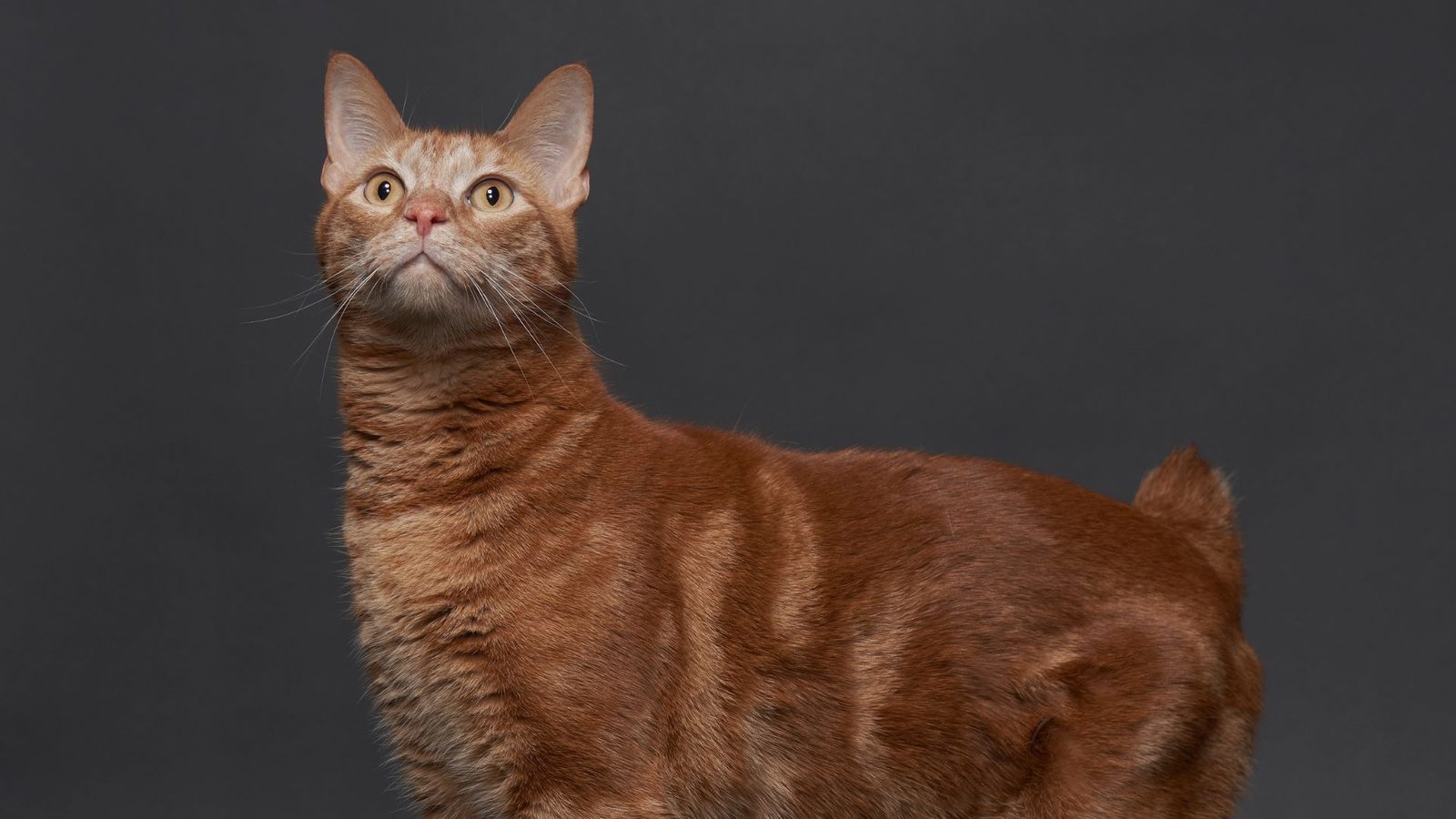
No, American Bobtails are not hypoallergenic. They produce the Fel d1 protein in their saliva and urine, the same as all other cat breeds, explains vet Dr Rebecca MacMillan. They also have a dense double coat and shed moderately, with heavier seasonal shedding in fall and spring. While some owners anecdotally report fewer allergic reactions to this breed than to others, Dr MacMillan says she cannot find an official source to support that claim. For allergy-prone households, breeds that shed considerably less—such as the Cornish Rex, Siamese, or Russian Blue—are often better tolerated. If you're set on an American Bobtail despite allergies, arrange to spend time with one before committing, since individual reactions can vary widely. Regular brushing and air purifiers can help reduce allergens, but they won't eliminate them entirely.
How much does an American Bobtail cat cost?
You can expect to pay between $600 and $1,200 for an American Bobtail kitten from a reputable breeder, placing it in the same price range as the Manx, another tailless breed. Scarcity drives the price up: the breed is relatively new, and the bobbed tail requires careful selective breeding—not every kitten in a litter is born with the trait, so available kittens are limited. Factor in possible travel costs if no breeder is nearby, and expect waiting lists. When budgeting, also set aside funds for initial veterinary care, high-quality food, and grooming tools. Ask the breeder about health testing for spinal and hip issues in the parent cats, as these conditions can be costly to manage later. A lower-priced kitten might come from less careful breeding, which could lead to higher vet bills in the long run.
What health problems are American Bobtails prone to?
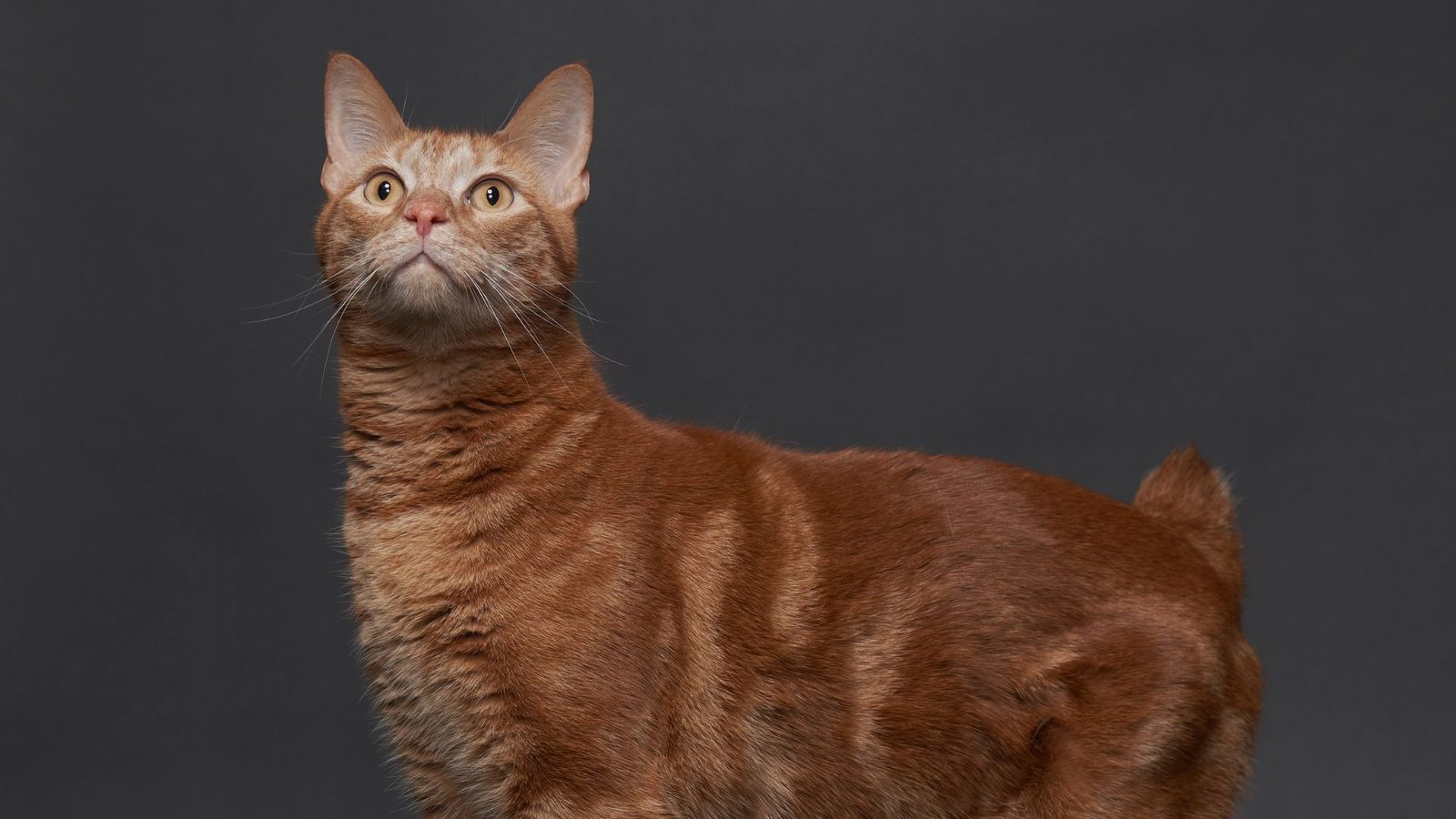
American Bobtails are generally robust, but their characteristic shortened tail puts them at greater risk for spinal issues, warns vet Dr Rebecca MacMillan. These can include herniated discs and spinal deformities, which in severe cases may lead to difficulty walking or jumping, paralysis, and incontinence. The breed is also predisposed to hip dysplasia, a developmental joint abnormality that causes pain, mobility problems, and early-onset osteoarthritis. To reduce the likelihood of these issues, purchase from a breeder who only mates healthy animals—one who can show health clearances for the parents. Keeping your cat at a healthy weight is also critical, as extra pounds add pressure to the spine and joints. Regular veterinary check-ups allow early detection, and prompt treatment can slow the progression of joint disease.
How big do American Bobtails get?
American Bobtails are classed as a medium to large breed. Adult males typically weigh between 12 and 16 pounds, while females range from 7 to 11 pounds. They stand about 9 to 10 inches tall at the shoulder and measure 17 to 19 inches in length, excluding the short, bobbed tail. This puts them in the same size bracket as Abyssinians, Birmans, Burmese, Scottish Folds, and Bombays. Their muscular build and fluffy double coat make them look even larger than their weight suggests. When adopting, make sure your home has enough space for a cat that likes to climb and explore, and provide sturdy furniture or cat trees to support their active nature. Their size also means they need a diet formulated for medium-to-large breeds to maintain a healthy weight.
How much grooming does an American Bobtail need?
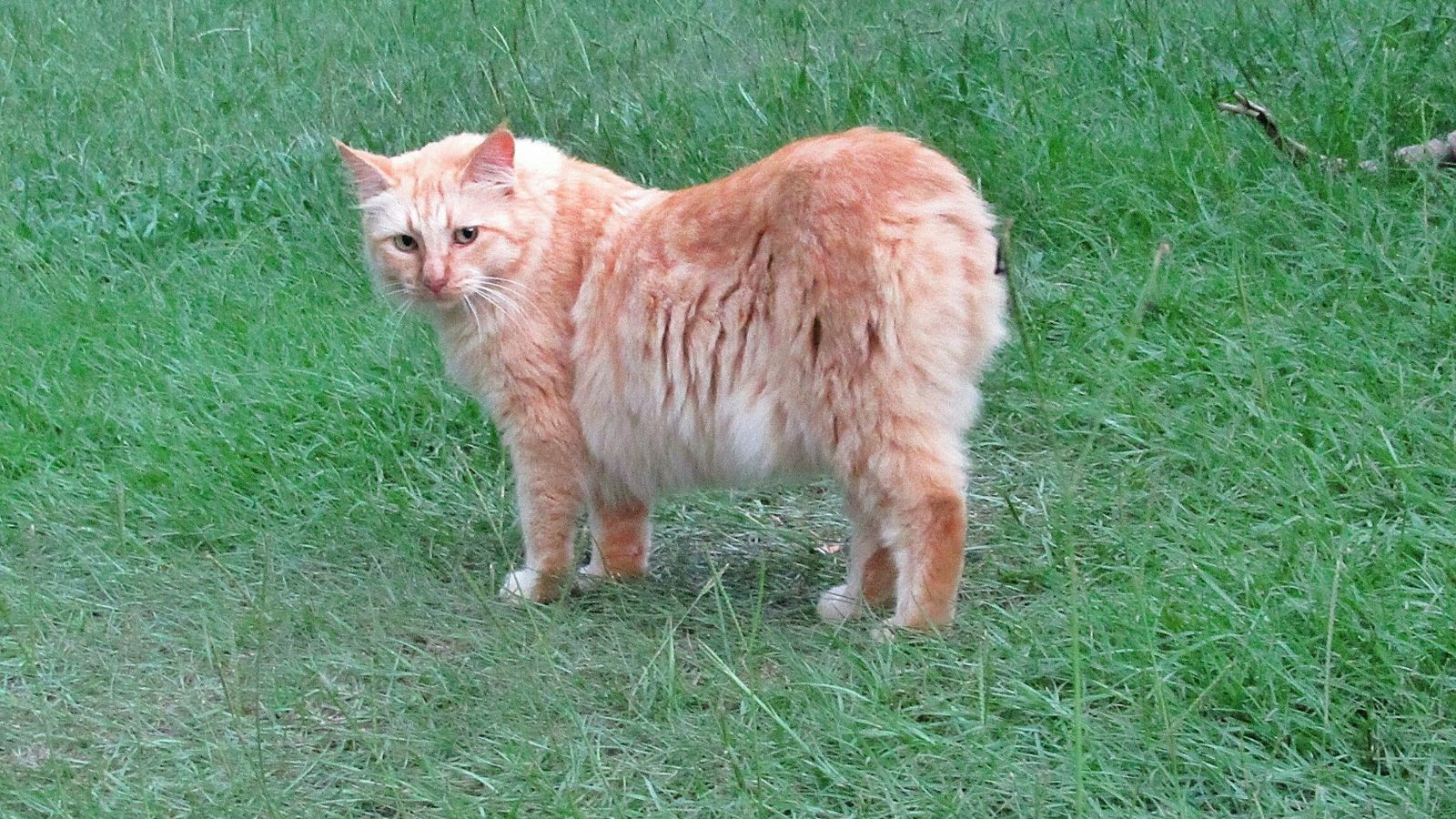
American Bobtails have a dense double coat that requires regular brushing to prevent mats from forming. Vet Dr Rebecca MacMillan recommends brushing once or twice a week, depending on coat length, and more frequent brushing during heavy shedding seasons in fall and spring. This routine removes dirt, dandruff, and skin flakes while reducing the amount of fur that ends up on your furniture and clothes. Although cats spend 30–50% of their day grooming themselves, brushing helps control hairballs and keeps the coat shiny. Use a brush designed for double-coated breeds, like a slicker brush or an undercoat rake. Start grooming sessions gradually so your cat associates them with positive reinforcement. A matted coat can irritate the skin and require shaving, so staying on schedule is easier than fixing the problem.
How much exercise does an American Bobtail need?
Aim for at least 30 minutes of exercise each day to keep an American Bobtail physically and mentally fit. This breed is energetic, playful, and often described as dog-like in its behavior—it will actively seek out interactive play and games. Bobtails also have a known fascination with water; many enjoy playing in their water bowl or drinking from a pet water fountain, which provides a fun way to encourage activity. Puzzle toys and treat-dispensing games are excellent for channeling their intelligence. Because they bond closely with their owners, they're happiest when exercise involves you, whether that's a game of fetch or training tricks. Regular activity also helps maintain a healthy weight, which is particularly important given the breed's susceptibility to spinal and joint problems. A bored Bobtail may develop destructive habits, so make exercise a daily priority.
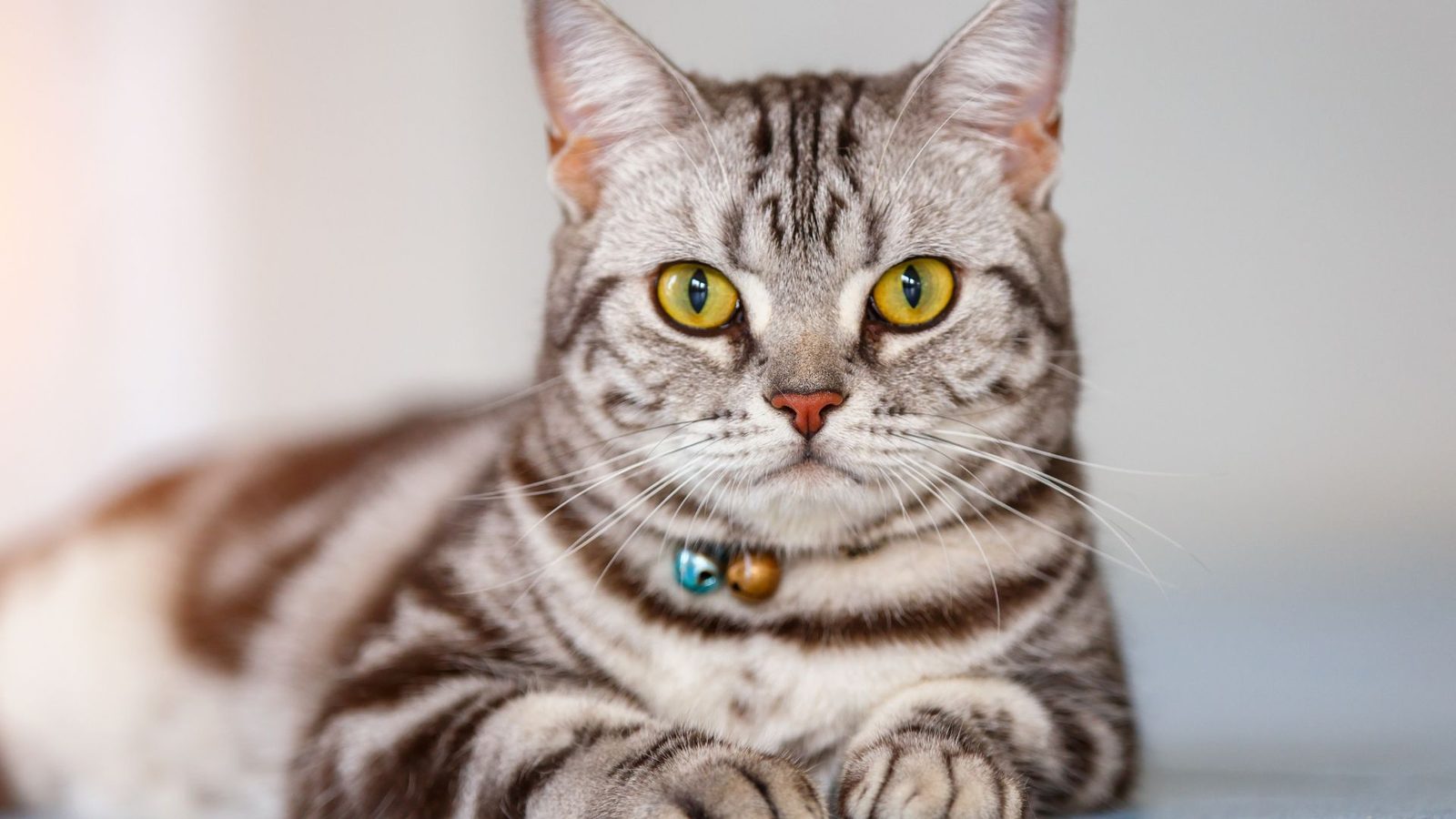
Are American Bobtails rare?
Yes, American Bobtails are considered a rare cat breed in the United States. According to vet Dr Rebecca MacMillan, the breed has only been recently accepted by cat fancier organizations, giving it a much shorter pedigree history than breeds like the Siamese or Persian. The bobbed-tail trait is not guaranteed in every litter; it requires careful selective breeding, and some kittens are born with normal-length tails, which means they don't meet the breed standard and are sold as pets at lower prices. This limits the number of show-quality and breeding-quality cats available. As a result, you may need to join a waitlist with a breeder or search specifically for breed rescues. Their rarity contributes directly to their higher price and means you're unlikely to find one in a shelter. Be patient and verify the breeder's credentials to avoid supporting kitten mills.
Are American Bobtails good therapy cats?
Yes, American Bobtails make exceptional therapy cats. Vet Dr Rebecca MacMillan notes they are frequently used as therapy cats because of their soft, interactive nature. Unlike some breeds that bond with just one person, they tend to form attachments to every member of the household, which is ideal for families. They are affectionate, adaptable, and can tune their demeanor to match their owner's emotional state—calm and quiet when needed, playful at other times. Their dog-like loyalty and eagerness to interact make them effective emotional support animals for people coping with stress, anxiety, or loneliness. They also do well with seniors because they are gentle and enjoy human company. However, they require a lot of attention and do not thrive when left alone for long hours; they're best suited to owners who are around most of the day to provide the interaction they crave.
Compiled from published reference material: www.petsradar.com