8 Signals Your Cat's Nose Sends About Dinner
Olfactory habituation drives the walk-away, Jacobson's organ opens a scent channel humans lack, and warming food resets appetite — but dismiss 'picky eater' at your cat's peril, and five conditions demand a vet, not an experiment.
Olfactory habituation is the real culprit behind the half-finished bowl
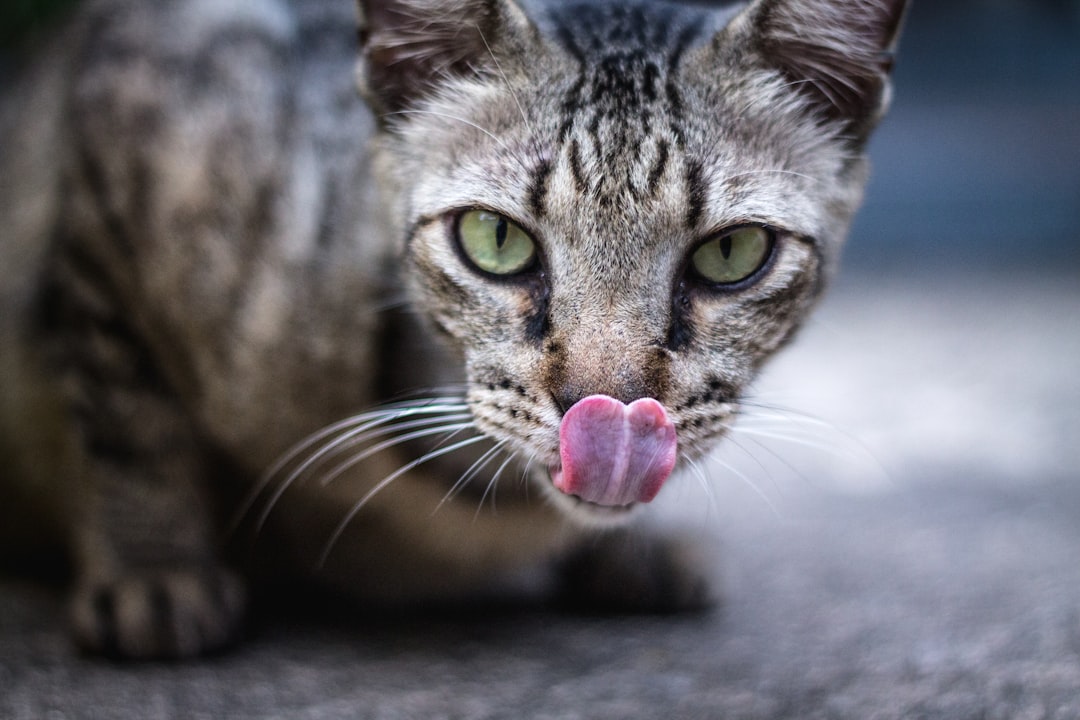
The process has a name: olfactory habituation. As a cat's brain encounters the same scent repeatedly, its neural response fades — the same way a person walking into a bakery stops noticing the smell of fresh bread after ten minutes. The nose is still working; the brain has simply catalogued the odor and moved on. In feeding behavior, this looks like a cat that eats eagerly at first, then picks at the remaining food or walks away entirely. The decline is gradual, not sudden, and it tracks with repeated exposure rather than with how much the cat has actually consumed. The cat may still be hungry. Its appetite has not shrunk — the aroma has simply become background noise. Breaking the cycle does not require a new recipe. Even placing a differently scented food nearby can restore the cat's interest in the original meal, because the brain treats the novel odor as fresh information worth investigating.
A whiff of something different resets the whole system
When the scent of a different food was introduced near the bowl — without swapping the meal itself — cats in the study resumed eating. That reversal is called dishabituation, and it happened consistently across the group. The cats were not rejecting the food's taste or texture; their noses had simply filed the original aroma as unremarkable. A novel scent, even one drifting from a nearby source rather than the bowl, was enough to reopen the investigation. For a cat owner, this means the food sitting in the bowl may be perfectly fine nutritionally. The problem is that the cat's sensory system has already categorized it as yesterday's news. Rotating flavors within the same nutritionally complete product line, or simply warming a fresh portion to release new volatile compounds, can trigger the same dishabituation response without introducing digestive risk.
The Jacobson's organ gives cats a smell channel humans lack
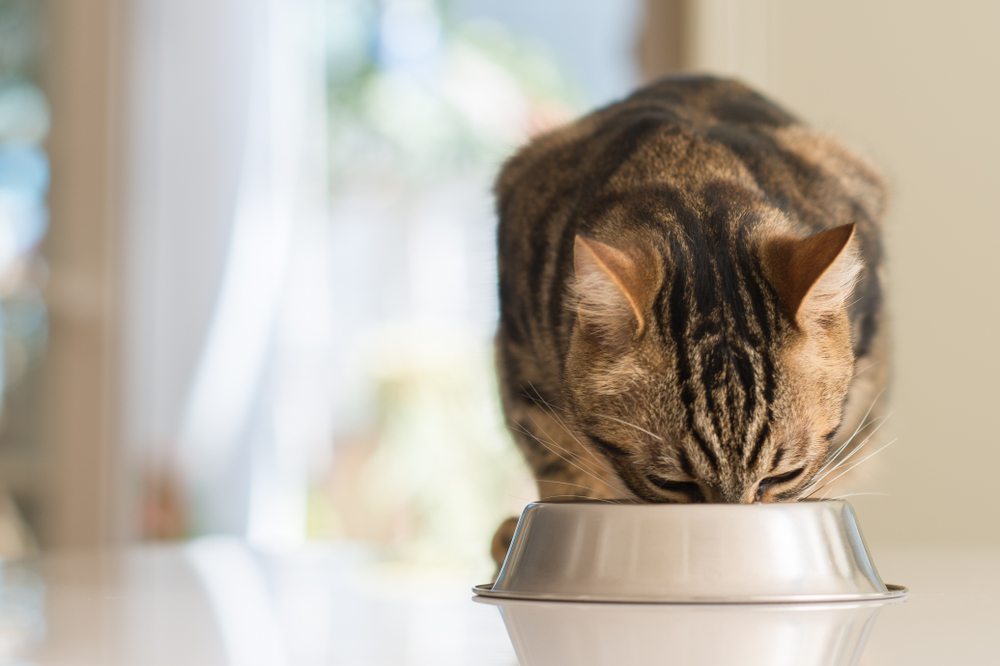
Beyond their main nasal passages, cats possess the vomeronasal organ — also called Jacobson's organ — a paired structure in the roof of the mouth that detects pheromones and other chemical signals invisible to human senses. This secondary olfactory system gives cats an entire channel of sensory data that their owners cannot access. It lets them evaluate food quality at a molecular level, recognize individual prey animals by scent signature, and assess chemical cues that never register with a human nose. This organ contributes directly to olfactory habituation: when the same chemical profile appears meal after meal, the vomeronasal system, like the main nasal passages, stops responding with the same intensity. A novel food aroma does not just hit a different set of receptors — it reactivates this entire secondary channel, which is why even a whiff of something different can override a cat's apparent disinterest in the food already in the bowl.
An obligate carnivore's brain is wired for scent variety
Cats descend from solitary hunters that caught multiple small prey animals each day, every one carrying a distinct scent signature. Unlike omnivores that evolved to gorge on a single food source, feline ancestors thrived on constant olfactory novelty — a fresh set of chemical cues with every successful hunt. That evolutionary wiring is still active in every house cat. A domestic cat that stalks a fly across the living room or pounces on a feather wand is replaying the sensory reward loop of its wild forebears: the full sequence of stalking, chasing, pouncing, investigating, and sniffing is intrinsically stimulating. Hunger is only part of the motivation. The changing scent profile of different prey kept ancestral cats engaged in the hunt rather than fixated on a single food source, and that same appetite for olfactory variety persists in the modern kitchen. A cat that rejects the same food it ate happily yesterday may simply be running a program that rewarded novelty for millions of years.
Hepatic lipidosis makes the 'picky eater' label genuinely dangerous
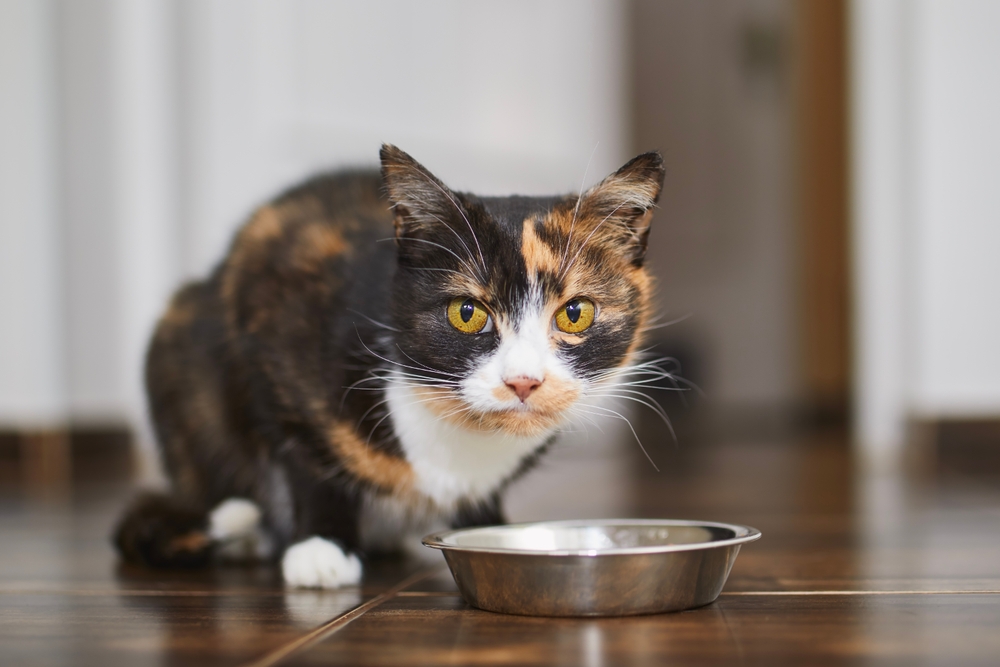
A cat that stops eating entirely can develop hepatic lipidosis, a life-threatening liver condition in which the body mobilizes fat stores faster than the liver can process them. The condition can set in after only a few days of inadequate calorie intake — a timeline that makes any prolonged appetite drop a genuine medical concern. The danger lies in dismissal. When a cat nibbles and walks away, it is easy to assume the animal is simply being selective. But if the behavior persists or escalates to full food refusal, the window for safe intervention narrows quickly. Appetite naturally fluctuates, and many cats prefer several smaller meals over a single large serving — that pattern alone is not alarming. The red flag is a sudden, sustained decline in food intake. Owners who mistake genuine appetite loss for ordinary pickiness risk delaying the moment they recognize something is wrong.
Warming the bowl is a science-backed appetite hack
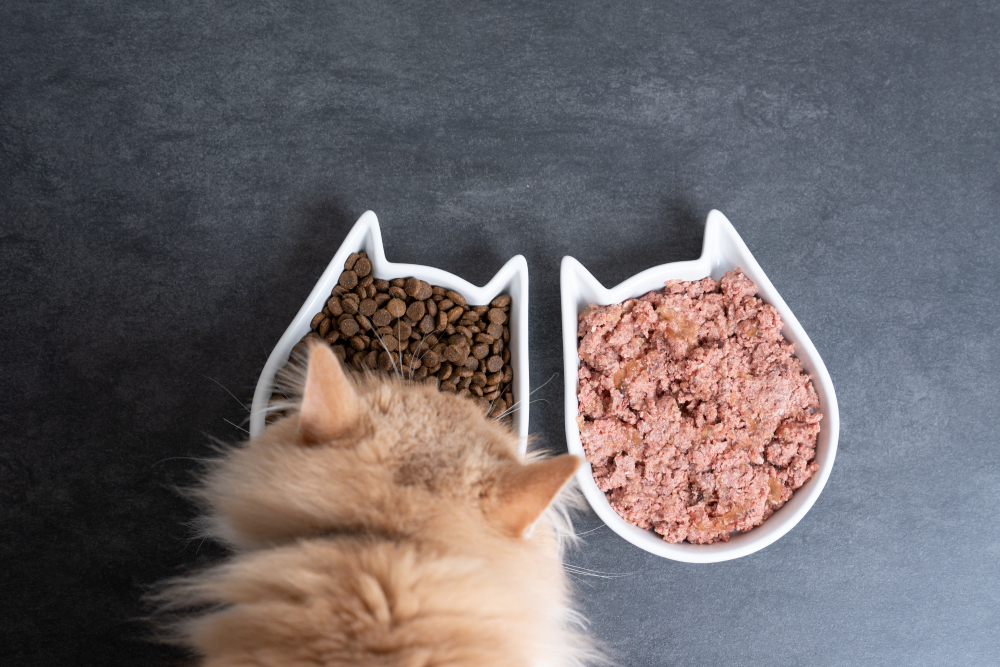
The findings point to a practical kitchen strategy grounded in how a cat's nose actually works. Warming wet food slightly releases volatile aromatic compounds that a room-temperature portion does not — heat increases the rate at which scent molecules escape the food and reach the cat's nasal passages. Serving fresh portions instead of leaving food sitting out for hours preserves the scent profile that first attracted the cat; as food ages, its volatile compounds degrade or dissipate, leaving behind a less interesting odor. Offering different flavors within the same nutritionally complete product line provides aroma variety without the digestive disruption of an abrupt diet switch. These three adjustments — warmth, freshness, and rotation — align directly with the habituation-and-dishabituation mechanism the researchers documented: keep the scent signal strong, keep it changing, and the cat's nose stays engaged rather than filing the meal under "already known."
Five conditions make food rotation a veterinary call, not an owner experiment
The findings are promising, but they do not override clinical reality. Cats with gastrointestinal disease need dietary changes managed carefully because their digestive systems may not tolerate new ingredients, even in small amounts. Cats with food allergies can react to proteins or additives in a different flavor, making unsupervised rotation a potential trigger for flare-ups. Cats with chronic kidney disease require precise protein and phosphorus intake that a casual food switch could disrupt. Cats with diabetes need consistent carbohydrate levels to maintain blood-sugar stability, and a new food — even one introduced for aroma variety — can throw that balance off. Cats eating prescription therapeutic diets are on those diets for a reason, and substituting even a similar-looking commercial product can undermine the treatment plan. In every one of these cases, any dietary adjustment — including scent-motivated rotation — needs to happen gradually, with the cat's specific condition accounted for. The habituation effect is real, but it does not cancel the risks of an unmanaged diet change in a cat with an underlying condition.
Twelve cats opened the door, but the room is still crowded with questions
The study involved 12 healthy domestic cats under controlled laboratory conditions — enough to establish that olfactory habituation affects feeding behavior, but not enough to define its boundaries. How widely the pattern holds across different breeds, age groups, indoor-versus-outdoor lifestyles, and varying medical histories remains an open question. A senior cat with a diminished sense of smell may habituate differently than a young adult. A breed prone to food sensitivity may respond to aroma novelty in ways the study group did not. Cats eating prescription diets for chronic conditions present yet another variable. The controlled setting also stripped away real-world distractions — competing household smells, multi-cat feeding dynamics, and the sheer unpredictability of a home environment — that could amplify or mute the habituation effect. Larger replication studies across diverse populations will determine whether these findings become standard nutrition guidance or remain a compelling but narrow window into how a cat's nose governs its appetite.
Compiled from published reference material: www.catster.com