11 Sick-Cat Signals Most Owners Dismiss as Quirks
Cats hide illness by instinct; these are the specific changes in eating, drinking, grooming, and behavior that warrant a vet visit.
Increased Thirst and Urination: The Silent Duo
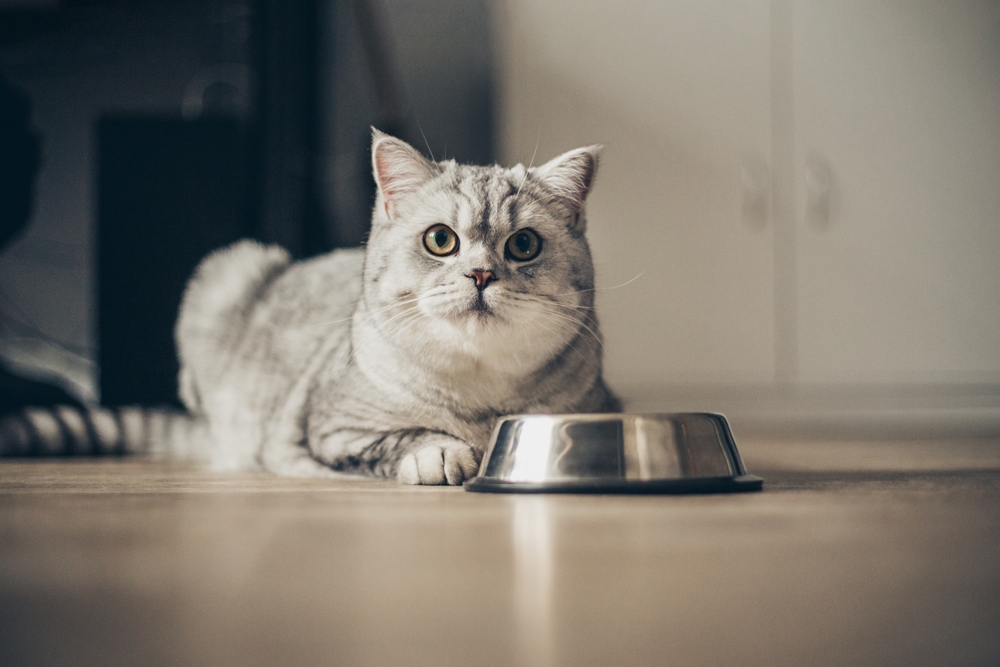
One of the easiest signs to miss is a cat that suddenly drinks a lot more. The water bowl seems to empty twice as fast, and the litter box needs scooping more often. Diabetes and chronic kidney disease are the two common culprits behind this change. In diabetes, excess sugar spills into the urine, drawing water with it. In kidney disease, the kidneys lose their ability to concentrate urine, so the cat produces large volumes of dilute urine. Both diseases progress silently, but early detection improves management. Also watch for straining in the box—that can point to feline lower urinary tract disease. Any marked shift in water intake or litter output is a concrete reason for a vet visit. Tracking how much you refill the bowl and how often you scoop gives your vet a valuable baseline. A trend is more telling than a single episode. If your cat's water consumption doubles overnight, that's a red flag.
When the Litter Box Becomes a Battlefield
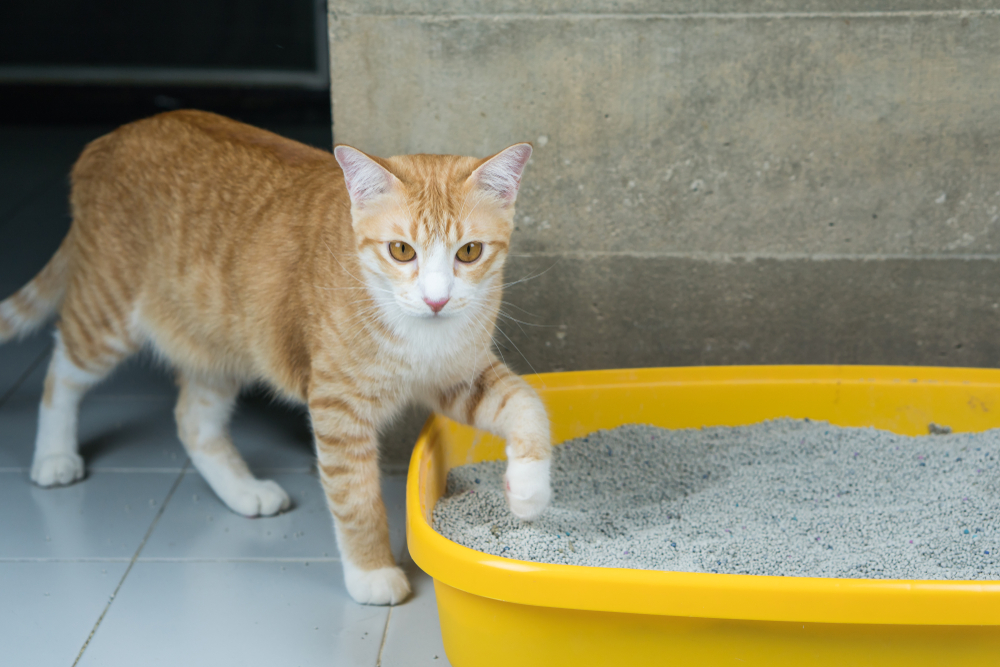
A cat that suddenly eliminates outside the box is not being spiteful. The most common misinterpretation is to assume a behavioral problem, but urinary tract infections frequently drive cats to avoid a box they now associate with pain. Stress and anxiety, even in a cat that looks calm, are also catalysts. A sudden change in toilet habits without any household disruption—new pet, moved furniture—should always be checked. Cats who have urethral obstructions, especially males, may vocalize or strain, and that is an emergency. Look for urine in odd places: rugs, tubs, piles of laundry. The pattern matters: a cat that historically uses the box and now doesn't is not being stubborn. Urinary tract infections are treatable, but they can escalate to life-threatening blockages. Bringing a urine sample to the vet is the fastest way to diagnose.
The Scale Does the Talking
Unexplained weight loss is one of the most consistent—yet non-specific—signs that something is wrong. A cat who drops weight while maintaining a normal appetite may be dealing with cancer that accelerates metabolic demand. The underlying causes include hyperthyroidism, which speeds up metabolism; kidney disease and diabetes, which often pair weight loss with increased thirst and urination; dental disease, which makes eating painful; and cancer, which can silently consume energy. Each condition leaves a different trail: a cat that eats ravenously yet loses weight likely has hyperthyroidism; one that drinks more and urinates more may have kidney disease or diabetes; bad breath and drooling point to dental issues; and unexplained weight loss with no other signs can be cancer. Old age alone does not cause weight loss, so a steady decline on the scale is a warning that should not be dismissed as a phase.
The Difference Between Sleepy and Flat
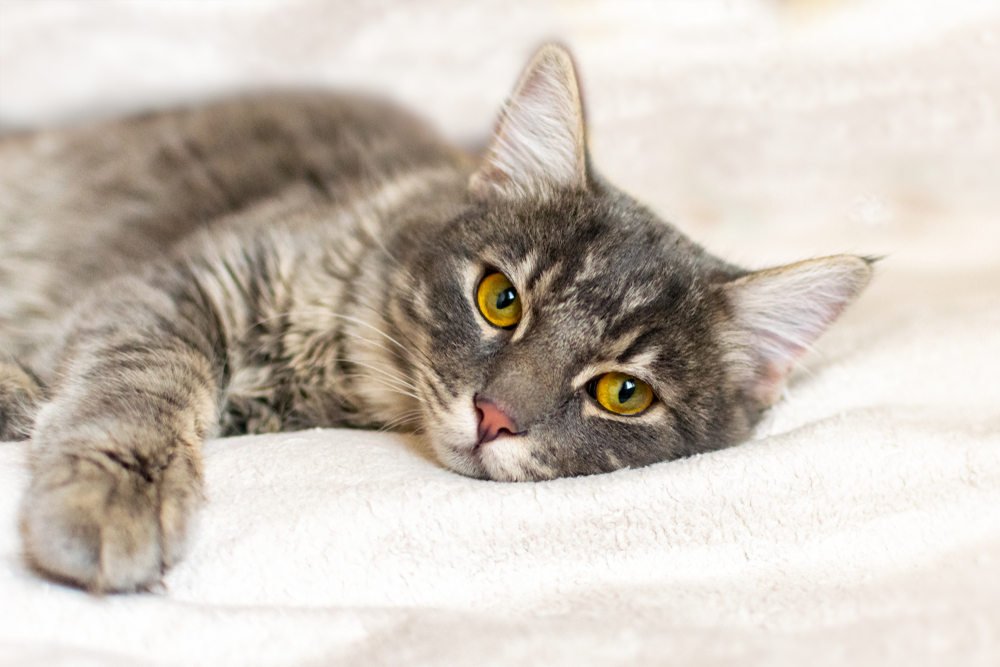
All cats sleep, often twelve to sixteen hours a day, so a lethargic cat is easy to miss. The key is a change in demeanor: a cat that seems genuinely flat, uninterested in food, water, play, or interaction—behavior that's out of character. Lethargy is a non-specific sign that appears with many chronic conditions. It's rarely the only clue; watch for it alongside a decrease in grooming or a reluctance to move. A cat that used to meet you at the door and now stays in one spot all day is not being lazy. The distinction is not how much it sleeps, but whether it perks up when you bring out a treat or a toy. If the flatness persists for more than a day, a veterinary check is warranted. The pattern—lethargy with other changes—is what matters. A healthy cat will still show interest during feeding time.
Bad Breath Is a Health Report
Dental disease is the most common cause of bad breath in cats, and it's often dismissed as a harmless quirk. But a sudden change in how your cat's breath smells can signal more than plaque. Oral masses—growths in the mouth—can also cause a foul odor, and they require biopsy and surgical planning. When bad breath appears alongside other signs like drooling or pawing at the mouth, it's a stronger hint. The breath odor is a clue, not a diagnosis. If your cat's breath turns foul or changes, schedule a vet exam that includes a thorough oral check. Dental problems are treatable with cleaning, extraction, or medication. Ignoring bad breath allows pain to persist and can lead to tooth loss or systemic infection. The change is the signal—a cat's breath shouldn't suddenly become offensive. A healthy cat's breath has a mild odor; any abrupt worsening is worth a call.
The Vomit That Isn't a Hairball
Occasional vomiting is common in cats—hairballs and minor digestive upsets happen. But frequent vomiting, vomiting blood, or vomiting along with other changes is a different matter. Intestinal parasites, inflammatory bowel disease, feline leukemia virus, and feline immunodeficiency virus can all cause recurrent vomiting and diarrhea. Persistent loose stools are also a flag. The pattern is key: a single episode is not alarming, but two or more episodes in a week, or blood in the vomit, warrants a vet visit. Cats with IBD often lose weight and vomit after eating. Parasites can be treated with deworming. FIV and FeLV require lifelong management. Keep a log of how often your cat vomits and what it looks like. That record helps the vet narrow down the cause. Don't assume it's a hairball if the cat is also lethargic or not eating.
The Hesitation Before a Jump
Cats are experts at hiding pain, so by the time you see a limp or reluctance to jump, the discomfort is often significant. Arthritis and neurological issues are common culprits. A cat that hesitates before jumping to the couch, takes stairs one step at a time, or changes its gait is compensating for pain. Watch for a decrease in activity, especially in senior cats. Osteoarthritis is progressive and can be managed with pain relief and environmental changes like ramps. Neurological conditions may cause stumbling or circling. Don't dismiss it as 'old age'—many cats live comfortably with proper care. The earlier you notice a change in mobility, the better the outcome. Compare how easily your cat navigates its usual surfaces. If you see a shift, a vet can recommend imaging and a tailored plan.
A Coat That's Lost Its Shine
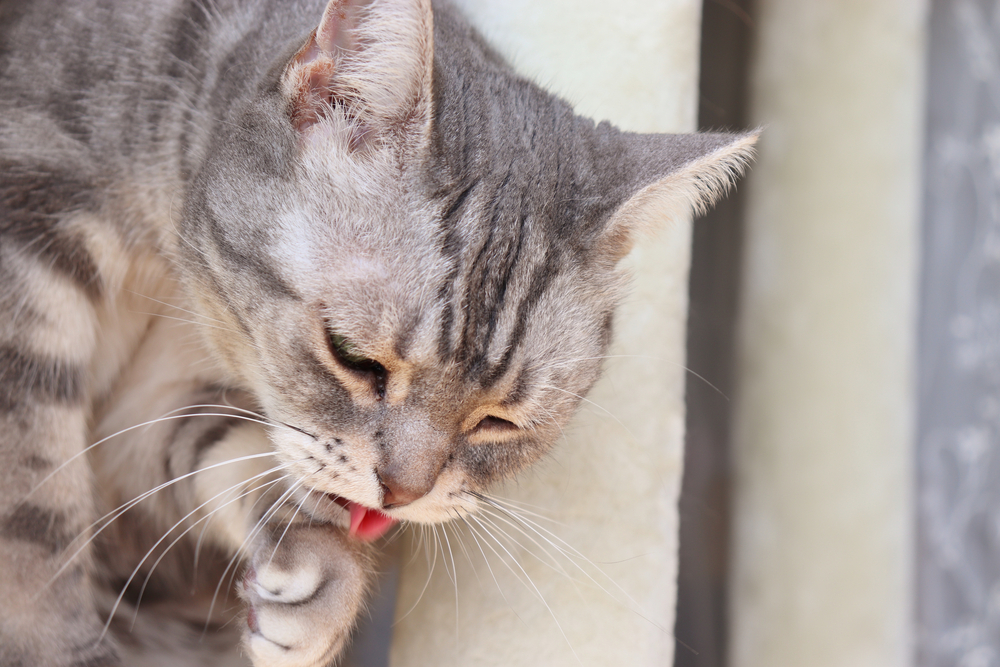
A cat that stops grooming develops a dull, matted, or unkempt coat, a sign that can indicate kidney disease, diabetes, arthritis, or significant pain. The change in behavior is the signal: a normally neat cat that looks scruffy, or one that obsessively licks its belly. Overgrooming can cause bald patches or sores, and excessive grooming in one spot may point to a skin condition, parasites, pain, or anxiety. Check for fleas, redness, or bumps. A cat that abandons grooming may also be too uncomfortable to reach certain areas—arthritis and chronic pain make the necessary twisting and stretching difficult. Overgrooming, meanwhile, often becomes a compulsive response to an irritating skin lesion or stress. Addressing the root cause, whether that means treating parasites, managing pain, or alleviating anxiety, is what restores a healthy coat. The fur's condition is never just cosmetic.
Breathing That Behaves Differently
Rapid breathing, wheezing, raspy breath, or any visible effort involved in breathing are all red flags. These signs can indicate respiratory infection, heart disease, airway obstruction, or fluid accumulation in the lungs. Normal cat breathing is quiet and effortless—so any sound, increased rate, or strain is abnormal. Watch for open-mouth breathing, panting, flared nostrils, or a cat that uses its abdominal muscles to pull each breath. Heart disease often shows up first as faster breathing during rest or sleep, as the heart struggles to pump efficiently. Fluid in the lungs, often a consequence of heart failure, can produce a crackling sound and makes oxygen exchange increasingly difficult. A cat that sits in a crouched position with its head extended is trying to open its airway, indicating severe distress. Respiratory problems do not resolve on their own; they tend to escalate rapidly as the body fights for oxygen. The earlier a pattern of abnormal breathing is recognized, the more options remain for addressing the underlying cause.
What the Eyes Reveal
Discharge from the eyes, whether clear, white, or colored, can indicate infection or upper respiratory illness. Squinting, rubbing the eyes, or holding one eye closed are classic signs of irritation or ulceration. Pupil size matters too: pupils that stay dilated or constricted regardless of light may point to neurological issues, toxin exposure, pain, or high blood pressure. High blood pressure in cats often leads to retinal damage and sudden blindness. Cats with vision changes may bump into furniture or act disoriented in familiar spaces. Any of these signs warrants a veterinary exam without delay. An eye ulcer can progress quickly and threaten the eye. The vet can stain the eye to check for scratches, measure pressure, and assess the retina. Don't assume a watery eye is just an allergy—it's a health signal.
When the Meow Changes
A cat that becomes unusually quiet may simply feel too unwell to communicate normally. A cat that begins vocalizing more than usual, particularly at night, may be in pain, disoriented, or dealing with cognitive decline—the feline equivalent of dementia. Cognitive decline often affects senior cats, causing them to yowl at night or seem lost in their own home. The shift from a cat's established communication pattern is worth attention. A chatty cat that goes silent is a change; a quiet cat that starts yowling is a change. Don't dismiss nighttime vocalization as attention-seeking—it can signal physical pain, thyroid issues, or high blood pressure. A vet can assess for underlying conditions and offer management strategies. The key is to notice the change in frequency, volume, or tone, and to take it seriously.
Compiled from published reference material: www.catster.com