11 Paw Pad Care Tips: From the 7-Second Burn Test to Ripped Pads
These 11 paw pad care tips range from the 7-second burn test to managing a ripped pad, and also cover winter salt, booties, toe tangles, nail grips, and hyperkeratosis—so you can address issues early and keep your dog walking comfortably.
The 7-Second Test That Prevents Summer Paw Burns
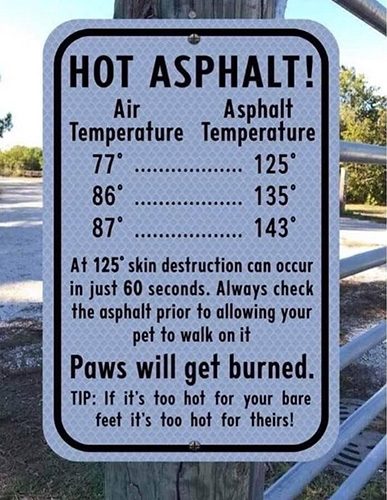
Before a warm-weather walk, press the back of your hand flat onto the pavement and hold it for a full 7 seconds. If the heat forces you to lift it sooner, the ground is too hot for your dog's pads. The risk is real: in July 2024, roughly half the patients in the burn unit at Las Vegas's University Medical Center were being treated for pavement burns, and a CBC Mornings crew measured the asphalt at 163°F. At that temperature, a second-degree burn can occur in seconds—and the same applies to a dog's feet. Keep potty breaks brief during heat waves, choose grass or shaded routes, and bring a water bottle for frequent rehydration. This simple hand test is the fastest way to judge safety before your dog steps outside.
Why Paw Pads Are Calloused or Soft—and How to Build Toughness
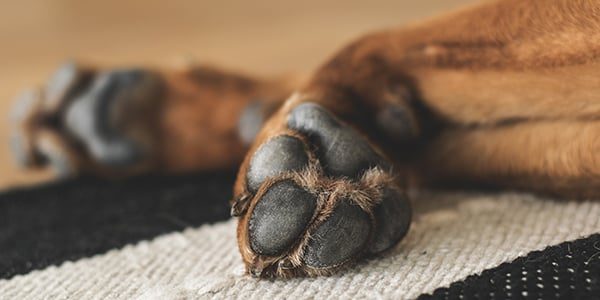
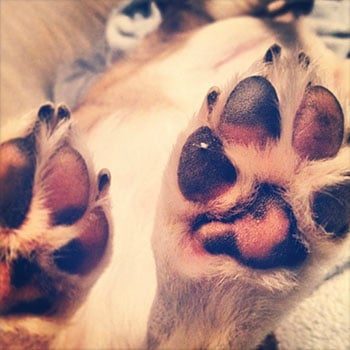
A dog's paw pad is a layer of pigmented skin—usually pink or black—covering fatty tissue, and that fat provides insulation against cold surfaces during winter. The pad works with the nails to give balance, traction, stability, and shock absorption. Dogs that regularly hike or walk on asphalt develop rough, calloused pads; older dogs that mostly stay on grass have smoother pads that tear more easily when they hit rougher terrain. You can build up your dog's pad toughness the same way humans develop calluses: expose the pads to rough surfaces gradually, starting with short sessions and increasing time over weeks. This incremental approach lets the skin thicken without injury, which matters if you're planning frequent hikes or live in a neighborhood with abrasive sidewalks.
Winter Snowballs and Salt: Why Booties or Wax Beat Bare Paws
Snow and ice pack into the fur between your dog's toes, then melt from body heat and refreeze into painful 'snowballs' that stretch the toes and pull hair. Salt-treated sidewalks are worse: no ice-melt product is fully safe, and many dry out, crack, or burn the pads, and can be toxic if licked off. To prevent snowballs, trim the fur between the toes so snow has less to cling to. Outdoors, have your dog wear booties; if they won't tolerate boots, apply paw wax before heading outside. After every winter walk, wash and dry the paws thoroughly—especially if they've been on salted surfaces. If snowballs have already formed, use paw wax to slide the ice out from between the toes before rinsing with warm water.
Moisturizing Cracked Pads: When It Helps and When It Hurts
For dry, cracked, or peeling paw pads, a paw balm can restore moisture and promote healing. Products made specifically for canine paws—such as a paw soother stick or the veterinarian-recommended Bag Balm—are safe and effective, unlike human lotions, which may contain toxic ingredients or irritants. Apply a thin layer directly to the affected pads, massaging it in to help it absorb. The goal is to treat visible dryness, not to keep the pads constantly soft: if your dog already has smooth, supple pads, additional moisturizing can actually make them more prone to tearing on rough or wet surfaces. So reserve balm for pads that feel rough, look cracked, or are peeling. In practice, you might apply it once daily or after walks, depending on the condition. If you notice an abrasion or cut on the pad, that's a different situation—such wounds are best evaluated by a veterinarian to rule out infection, and they may recommend covering the area with a silicone scar sheet cut to fit the pad while it heals. Regular moisturizing, when needed, keeps pads resilient and comfortable, but the key is moderation and using the right product.
Trimming the Fur Between Toes Prevents More Than Snowballs
Keeping the hair between your dog's paw pads short does more than reduce winter ice buildup—it improves traction on slippery floors and makes it easier to spot foreign objects, swelling, or discoloration during routine checks. Medium and thick-coated breeds especially benefit, since their 'fuzzy feet' tangle and collect debris. Use grooming clippers to trim the fur short; a cordless model is convenient. Have a helper distract your dog with treats, or use a licking mat or stuffed food toy if you're alone. It's fine to trim just one pad per day if that's all your dog tolerates. Regular trimming also prevents mats between the toes, which can cause your dog to chew at their feet, leading to hot spots and skin infections.
Toe Tangles and Mats: Why Scissors Are a Bad Idea
A mat between your dog's toes or paw pads is painful—the hair pulls with every step. To loosen a mild tangle, try olive oil or gently comb it out if your dog allows. But most dogs won't tolerate combing a foot mat because it tugs on sensitive skin, so a professional groomer is often the safer choice. Never reach for scissors to cut out a mat: dogs are wiggly around their feet, and a sudden movement can cause a deep cut that might require a vet visit, medication for infection, and a dog that's more fearful of handling next time. Use clippers instead, or let a trained groomer do it. Preventing mats is easier than removing them—brush your dog's legs, feet, and toes frequently, especially after they get wet, since moisture makes fur curl and tangle.
Choosing Dog Boots: From Disposable to Winter Options
For dogs that spend time on hot pavement, ice, salt, or rough terrain, well-fitted booties offer the best protection against paw pad injuries. Look for a sturdy, non-slip boot that stays on during activity. Disposable rubber options like PawZ are a practical choice: they come in packs of 12, include a "tiny" size for teacup breeds or puppies, and each boot can be reused multiple times before tossing. These boots protect against heat, rain, snow, and even environmental allergies, and they also provide extra traction for senior pets. Many owners use them indoors for senior dogs with slippery floors—simply punch one or two holes in the bottom (using a hole puncher) to allow airflow, though this sacrifices waterproofing. For cold, snowy climates, winter boots with fleece lining and rubber soles, like Muttluks, keep paws warm and secure. Whichever type you choose, introduce them gradually: let your dog sniff and investigate the boots, then put them on for short indoor sessions while offering treats and praise. Practice walking on different surfaces before heading outside. Never use masking tape or duct tape as a substitute—these stick to fur, restrict airflow, and can affect your dog's natural gait. With patience and proper sizing, booties can become a routine part of your dog's outdoor gear.
Nail Grips for Traction: Better Than Paw Pads on Slippery Floors
Paw pads provide some natural traction, but a dog's nails are the primary grip mechanism on surfaces like tile, wood, and concrete. When your dog slips, they instinctively dig in with their nails—but if those nails are too long or the floor is too slick, they can't get a hold. Nail grips are small rubber rings that slide over the toenails, giving a point of contact that helps senior dogs and those with arthritis stand up and walk confidently on hard flooring. They don't cover the paw pads, so dogs sweat normally, and they last a couple of months before needing replacement. Combine them with regular nail trims—untrimmed nails can curl into the pad, split, or catch on carpet—and add floor mats or carpets to reduce slipping in high-traffic areas.
The Frito Feet Smell: Yeast or Bacteria on the Pads
That corn-chip aroma on your dog's paws is usually a sign of normal yeast and bacteria living between the toes and paw pads. Dogs have sweat glands in their pads that help cool them down, plus scent glands that leave pheromones—so some odor is natural. But if the smell becomes overpowering, or you notice brittle, irregular, or discolored nails with swelling around the nail bed, an infection may be brewing. Wipe and thoroughly dry your dog's paws after outdoor trips to prevent yeast and bacteria from overgrowing. If the Frito scent turns into a real stench or the nails look infected, have the vet check for an underlying cause, which can range from allergies to a bacterial or yeast overgrowth.
Hyperkeratosis: When Paw Pads Get Thick, Crusty, or Hairy
Canine hyperkeratosis causes paw pads to become rough, thick, and crusty, sometimes with projections that look like fur growing from the surface. The same condition can affect the nose. It often stems from genetics or an underlying medical condition, so a veterinarian's evaluation is important to identify the cause. Until you can get a diagnosis, the primary way to ease your dog's discomfort is to keep the affected pads moisturized and protected with a paw balm designed for dogs. This softens the hardened tissue, reduces cracking, and creates a barrier against dirt and irritants. While hyperkeratosis itself isn't an immediate emergency, the thickened skin can become uncomfortable and may crack, leading to further irritation. Daily application of a dab of balm to each pad, paying special attention to the edges, can make walking more comfortable. A vet may recommend additional treatments based on the underlying cause, but the balm serves as a stopgap measure that also protects the pads from daily wear. If you notice your dog's paws looking unusually rough or hairy, schedule a check-up to pinpoint the cause, and keep a paw balm on hand for relief in the meantime.
Ripped Paw Pad: Pain, Healing, and Care Decisions
A ripped paw pad is a painful injury that can happen suddenly—during a run on a treadmill, a hard stop on concrete, or a misstep on a sharp rock. The first sign is often limping, and when you inspect the foot you might see a split or torn pad, possibly with bleeding. The severity varies: some tears are superficial and heal with rest, while deeper cuts can expose underlying tissue and require professional care. The key decision is whether the wound can be managed at home or needs veterinary attention. Factors that point to a vet visit include persistent bleeding, visible tissue damage, foreign objects embedded in the pad, or if your dog refuses to put weight on the foot. Even for minor tears, keeping the area clean and protected is essential to prevent infection. A veterinarian may recommend a protective covering, like a boot or a silicone scar sheet, and might prescribe a topical antibiotic if needed. Healing can take several weeks; for one known case, a dog's paw took about three weeks of rest and protection before it was comfortable again. Watching for signs of infection—increased redness, swelling, discharge, or worsening pain—is important throughout the recovery process.
Compiled from published reference material: www.preventivevet.com