10 Signs Your Dog Has a Yeast Infection (And What to Do About It)
That persistent itch and funky smell might not be allergies — here's how to spot a yeast overgrowth early and help your dog find relief.
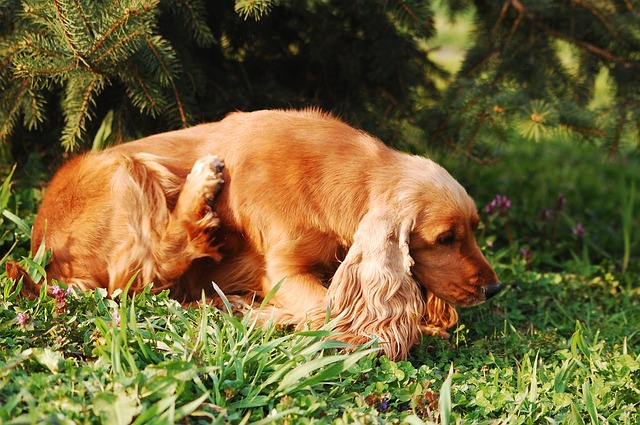
That 'Corn Chip' Smell Isn't Normal
A sweet, musty odor — often compared to corn chips or unbaked bread — is one of the most reliable signals that yeast has colonized your dog's skin or ears. The smell comes from metabolic byproducts the fungus releases as it multiplies. If your dog still reeks within a day or two of a bath, yeast is almost certainly involved rather than simple hygiene issues.
Licking and Chewing the Paws Obsessively
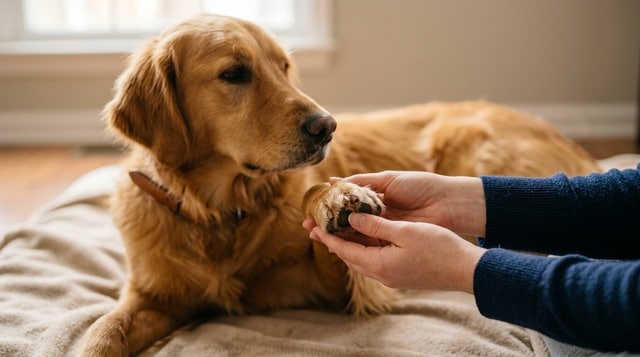
Dogs with yeast overgrowth frequently gnaw at their feet, sometimes until the fur between the toes turns a dark rusty-red color. The moist pockets between paw pads create the warm, damp conditions yeast thrives in, making feet one of the most common trouble spots. Owners often mistake this behavior for boredom or anxiety, but the pattern is relentless and location-specific — not the random chewing of a restless dog.

Ear Infections That Keep Coming Back
Recurrent ear infections paired with head shaking or scratching at the ears point strongly toward Malassezia pachydermatis, the yeast species most often responsible for skin and ear problems in dogs. The ear canal's dark, enclosed structure makes it a perfect incubator. If your vet clears an ear infection and it returns within weeks, yeast rather than bacteria may be the underlying driver.
Greasy, Thickened Skin That Won't Clear Up
Infected patches often look red and feel greasy to the touch, and the condition veterinarians call seborrhea — oily, foul-smelling skin — is a hallmark of chronic yeast dermatitis. Over time the skin can darken and thicken, almost taking on a leathery texture. This is a sign the infection has been simmering untreated for an extended period.
Rusty or Gray Discoloration Around the Genitals
One less obvious symptom is a grayish or rust-colored stain on the fur around the groin and tail base. These areas stay warm and damp, giving yeast exactly the environment it prefers. If you notice discoloration there alongside itching elsewhere on the body, a systemic yeast issue is worth investigating.
Hair Loss on the Tail and Upper Back
Patchy hair loss concentrated along the top of the tail and the upper back — sometimes accompanied by small speckles on the underbelly — can signal yeast has moved beyond a localized flare-up. The pattern differs from the symmetrical loss associated with hormonal conditions, and it tends to appear alongside at least one other symptom on this list.
Leaky Gut May Be Fueling the Cycle
Yeast such as Candida exists in the digestive tract. Disruptions from triggers like food allergies can cause inflammation that affects gut health, contributing to yeast overgrowth and infection cycles. Addressing gut health, not just the skin, is often essential to breaking this cycle.
pH and Temperature Swings Trigger Flare-Ups
Yeast populations can spike with shifts in skin pH or body temperature, which helps explain why some dogs flare seasonally or after swimming. This changeability is a distinguishing feature: unlike a bacterial infection that tends to look the same day after day, yeast symptoms can wax and wane noticeably over short periods. Tracking when your dog's symptoms worsen can help pinpoint the trigger.

Diet Changes Can Starve the Overgrowth
Food allergies are a common trigger for yeast infections in dogs, so managing your dog's diet to avoid allergens such as chicken, beef, or dairy can reduce inflammation and help restore the natural bacterial balance that keeps yeast in check, supporting gut health.
Untreated Infections Cycle Back Within Weeks
Yeast infections in dogs are rarely a one-time event. If the underlying trigger — whether diet, immune suppression, or chronic moisture — goes unaddressed, the infection tends to resurface within a few weeks of finishing treatment. Early recognition and a plan that targets both the symptoms and the root cause are the best defense against a frustrating repeat performance.
Compiled from published reference material: iheartdogs.com